
As we venture out into the great outdoors, we are faced with unpredictable situations and challenges that can have life-threatening consequences. Be it camping trips, hiking, or backpacking, it is crucial to be prepared for any unforeseen events. The difference between life and death can often come down to a few smart decisions. Hence, it is essential to know the top 10 outdoor survival tips that will help you stay safe and self-sufficient. From building a basic shelter to starting a fire and knowing how to purify water, these skills are a must-have for all outdoor enthusiasts. Whether you are an experienced adventurer or a novice in the field, these survival tips can save your life and help you overcome emergency situations. Failing to prepare is preparing to fail, and the same applies to outdoor activities. Hence, having essential outdoor survival skills can not only help you survive but also enhance your overall outdoor experience with a sense of confidence and preparedness. So, let's dive into the top ten tips that every adventurer must know to stay safe in the wild.
In today's world, where exploring nature has become an ever-growing trend, knowing these essential outdoor survival tips can help us enjoy the beautiful natural wonders without putting ourselves into harm's way. With climate change increasing the frequency and intensity of natural disasters, being prepared for emergency situations has become ever more crucial. Furthermore, knowing these skills can come in handy in everyday life, especially when we're faced with unexpected challenges. Having the knowledge and tools to survive can help us become more resilient and self-reliant in any given situation. Hence, knowing the top 10 essential outdoor survival tips is not just an investment in our outdoor experience but also in our personal well-being.
Always carry a basic survival kit
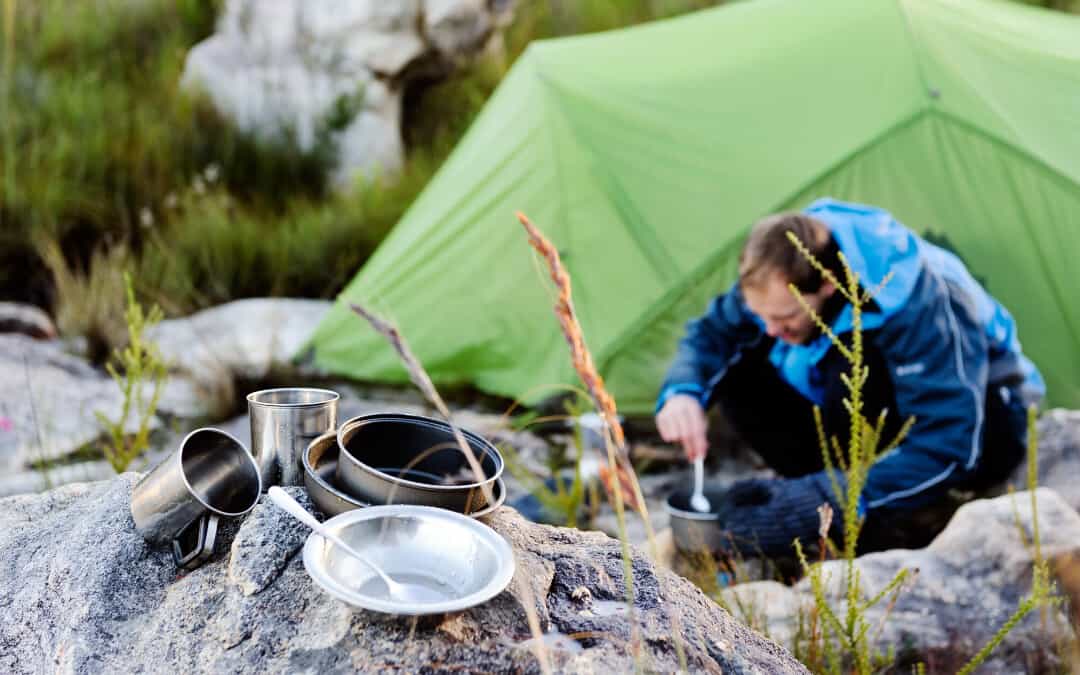
When it comes to embarking on any outdoor activity, carrying a basic survival kit is always a wise idea. You never know when things might go south, and it's always essential to be well-prepared to face any challenges that come your way. A survival kit should be tailored to your specific needs, but some basics should be included in every kit.
Here are some step-by-step tips to help you create a basic survival kit:
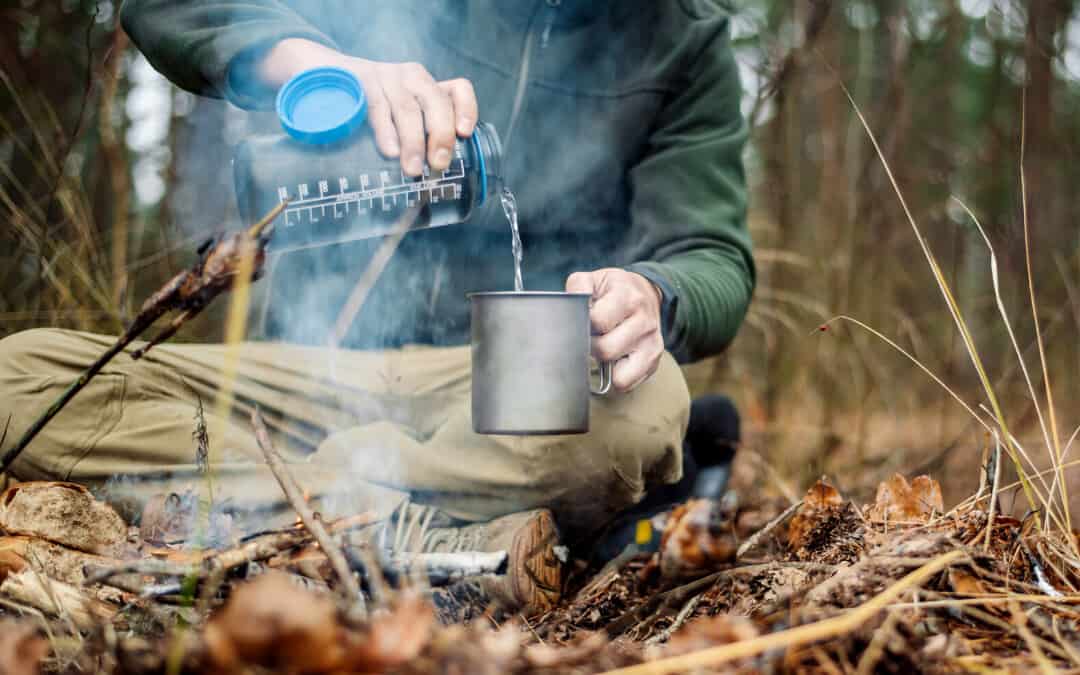
Step 1: Start with a proper container
Choose a sturdy, waterproof container or zipper pouch to keep your survival gear in. This will keep everything organized and dry.
Step 2: Shelter
Carry a Mylar survival blanket or tarp to help you create a shelter. You can also include a lightweight tent or hammock if you have space.
Step 3: Water
Carry a water filter, tablets or a water bottle with a filter straw to help you stay hydrated. In an emergency, you can also boil water for purification.
Step 4: Fire
Bring along a fire-starting kit, such as waterproof matches, a lighter or a magnesium fire starter. You will need it for warmth and cooking food.
Step 5: First Aid Kit
Pack a small first aid kit that includes essentials such as band-aids, antiseptic, painkillers, and other necessities.
Step 6: Food and Cooking Supplies
Pack lightweight, easy-to-prepare foods, such as energy bars, trail mix, or freeze-dried meals. Include utensils, a pot, and a stove.
Step 7: Navigation
Carry a compass, map, or GPS device to help you find your way in case you get lost.
It's important to remember that a survival kit is only effective if you know how to use it. Take time to familiarize yourself with your gear before heading out and keep your kit updated with fresh supplies.
always carry a basic survival kit before you go on any outdoor activity. With proper planning and preparation, you can enjoy a great adventure and be equipped to handle any emergency that may arise. Stay safe, and have a great time out there!
Know how to start a fire without a lighter or matches
Starting a fire is an essential survival skill, and learning how to do it without a lighter or matches is crucial. Whether you're camping in the wilderness or facing an emergency situation, knowing how to start a fire without traditional tools can be a lifesaver.
Here are some key tips and useful information that can help you master the art of starting a fire from scratch:
1. Build your fire in a safe location. Make sure that you choose an area that's clear of any dry grass, leaves, or other combustible materials.
2. Use friction to create heat. The friction method involves using a bow drill or hand drill to create enough heat to ignite a piece of kindling. This process can take time and effort, but it's an effective way to start a fire without matches.
3. Use a magnifying glass or a lens. If you have a magnifying glass or a lens, you can use it to focus the sun's rays onto a piece of kindling. This method requires a direct sunlight source and can take some time.
4. Use a battery and steel wool. Touching a piece of steel wool to the terminal of a battery creates a spark, which can ignite a piece of kindling. This method is quick and easy, but you'll need to carry a battery and steel wool with you.
5. Make fire starters ahead of time. You can prepare homemade fire starters by dipping cotton balls in wax, or by using dryer lint and petroleum jelly. These can be an easy and effective way to start a fire without matches.
knowing how to start a fire without a lighter or matches is an essential survival skill that can save your life in an emergency situation. Whether you choose to use friction, a magnifying glass, a battery and steel wool, or homemade fire starters, make sure you practice beforehand. Learning these methods ahead of time can be the difference between staying warm and safe or finding yourself in a dangerous situation.
Learn how to properly purify water
Purifying water is an important skill to have, whether you're camping in the wilderness, facing a natural disaster, or simply looking for a reliable way to obtain clean drinking water. But with so many different methods and products available, it can be overwhelming to figure out the best way to purify water for your specific needs. That's why we've put together this guide to help you learn how to properly purify water, so you can stay hydrated and healthy no matter where you are.
Here are some key factors, details, and useful information to keep in mind when learning how to purify water:
1. Know your water source: Before you can choose the best purification method, you need to know what you're dealing with. Is the water from a natural stream or lake? Is it from a faucet or other municipal source? Knowing the initial source of your water will help you determine the contaminants you need to remove.
2. Choose the right method: There are many ways to purify water, including boiling, using a water filter or purifier, using chemical treatments, or using ultraviolet (UV) light. Each method has its pros and cons depending on the situation, so it's important to research and choose the best one for your needs.
3. Treat for viruses AND bacteria: Many water treatments focus solely on removing bacteria, but it's important to make sure you're also treating for viruses and other pathogens that can make you sick. Make sure to read the labels of any purification products you use and follow the instructions carefully.
4. Store and transport water safely: Even if you've purified your water, it's important to store and transport it in a safe and clean manner. Use clean containers, avoid cross-contamination with other liquids or foods, and keep your purified water away from sources of contamination.
By following these key factors, details, and useful information, you'll be well on your way to properly purifying water and staying hydrated and healthy no matter where your adventures take you.
Conclusion
These 10 essential outdoor survival tips that every adventurer must know should not be taken lightly. It is recommended that you always carry a basic survival kit that includes a map, a compass, a first-aid kit, and other essential items. Learning how to start a fire without a lighter or matches can be a lifesaver, especially in emergency situations. And, most importantly, knowing how to properly purify water can save you from getting sick and dehydrated. Incorporating these tips into your outdoor adventures will not only improve your overall experience but will also ensure your safety and well-being. So, stay prepared and stay safe!
0 Comments