
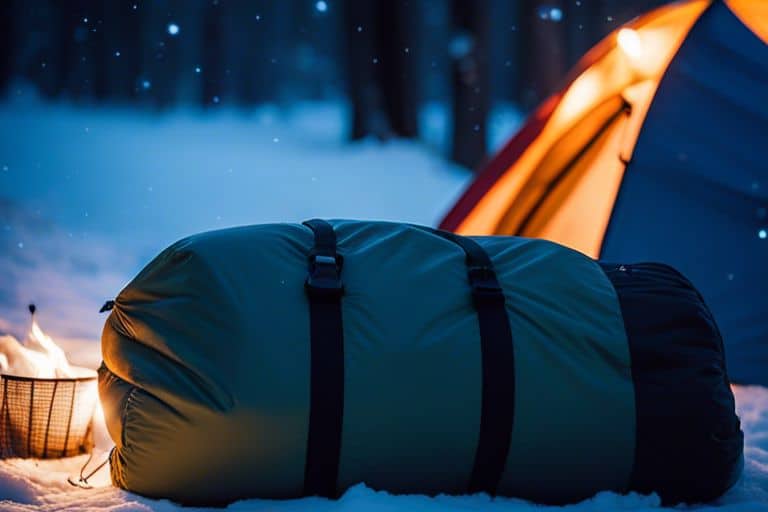
When embarking on a cold weather camping trip, one of the most important items to consider is your sleeping bag. The right sleeping bag can mean the difference between a warm, restful night’s sleep and a dangerous struggle to stay comfortable in the frigid temperatures. When choosing a sleeping bag for cold weather camping, there are several important factors to consider to ensure that you stay safe and cozy during your outdoor adventure.
Your sleeping bag’s insulation is crucial for providing adequate warmth in cold conditions. Look for a bag with high-quality down or synthetic insulation that is rated for the temperature range you anticipate encountering. Additionally, the fit and shape of the sleeping bag can impact its efficiency in retaining your body heat. A mummy-style bag with a hood and draft collar can help prevent heat from escaping, while a properly sized bag will minimize the amount of empty space you’ll need to heat with your body. By choosing the right sleeping bag for cold weather camping, you can ensure that you stay warm and comfortable during your outdoor expeditions.
Key Takeaways:
- Insulation is essential: A quality sleeping bag with adequate insulation is crucial for trapping body heat and keeping you warm in cold weather camping conditions
- Consider temperature ratings: Look for a sleeping bag with a temperature rating suitable for the coldest temperature you expect to encounter during your camping trip
- Pay attention to material: Choose a sleeping bag made of high-quality, durable materials that are designed to withstand cold weather conditions
- Proper fit is important: A well-fitting sleeping bag will help prevent cold air from seeping in and keep you comfortable throughout the night
- Don’t overlook additional features: Look for sleeping bags with features such as draft collars, hood cinches, and draft tubes to provide extra insulation and keep you warm in cold weather
Understanding Sleeping Bag Ratings
Any successful cold weather camping trip starts with the right sleeping bag. Understanding sleeping bag ratings is crucial to choosing the best one for your needs. In this chapter, we will break down the different factors to consider when it comes to sleeping bag ratings.
Temperature Ratings Explained
When it comes to sleeping bags, the temperature rating is perhaps the most crucial factor to consider. This rating tells you the lowest temperature at which the bag will keep you warm. It is important to note that these ratings can vary between manufacturers and there is no standardized system. To give you a better idea of what to expect from sleeping bag temperature ratings, here is a breakdown:
| Temperature Rating | Temperature Range |
| Extreme | Below -40°F |
| Low | 20°F to 30°F |
| Comfort | 20°F to 30°F |
| High | Above 40°F |
Interpreting EN and ISO Standards

Some sleeping bags will come with EN (European Norm) or ISO (International Organization for Standardization) ratings. These standards are used to provide a more standardized approach to temperature ratings. They measure the bag’s thermal insulation and determine a range of temperatures within which a sleeping bag will be comfortable. The most important thing to understand about EN and ISO standards is that they provide a standardized way of comparing sleeping bags from different manufacturers.
Types of Insulation Materials
If you’re heading out for some cold-weather camping, it’s crucial to understand the different types of insulation materials used in sleeping bags. The type of insulation will greatly impact the warmth and comfort of your sleeping bag. Here is a breakdown of the most common insulation materials used in cold-weather sleeping bags:
| Insulation Material | Characteristics |
| Down | Lightweight, compressible, excellent warmth-to-weight ratio, expensive |
| Synthetic | Durable, insulates even when wet, less compressible than down, more affordable |
| Fleece | Heavier, less compressible, retains warmth when wet, lower cost |
| Thinsulate | Lightweight, retains warmth even when wet, good for active use |
| PrimaLoft | Water-resistant, breathable, retains warmth when wet |
Down Insulation Versus Synthetic Insulation
When it comes to choosing between down insulation and synthetic insulation, both have their advantages. Down insulation offers superior warmth-to-weight ratio and compressibility, making it ideal for cold-weather camping. However, synthetic insulation is more durable and performs better when wet, making it a good choice for damp conditions.
How Fill Power Affects Warmth
Fill power is a measure of the quality of down insulation and affects the warmth of your sleeping bag. A higher fill power means the down can trap more air, providing better insulation. When selecting a sleeping bag, consider the fill power to ensure you stay warm and comfortable during cold nights.
Sleeping Bag Shapes and Their Impact on Warmth
Choosing the right shape for your sleeping bag can have a big impact on how warm and comfortable you are while camping in cold weather. Different shapes are designed to accommodate different sleeping styles and preferences. Let’s take a look at some common sleeping bag shapes and their impact on warmth.
Mummy Bags vs. Rectangular Bags
When it comes to warmth, mummy bags are the clear winner. Their snug fit and tapered design help to minimize dead air space and maintain body heat efficiently. The hood and collar also provide added insulation for your head and neck. On the other hand, rectangular bags offer more room to move around and can be unzipped and used as a blanket. However, they are not as efficient at retaining heat as mummy bags, and you may find yourself feeling colder in extreme temperatures.
Semi-Rectangular and Other Specialty Shapes
For those who want a compromise between the fit of a mummy bag and the roominess of a rectangular bag, semi-rectangular bags offer a good middle ground. They provide a bit more space than mummy bags without sacrificing too much warmth. Other specialty shapes, such as double bags or quilt-style sleeping systems, are designed for specific camping situations and personal preferences. These options can provide versatility and comfort, but it’s important to consider their warmth retention capabilities in cold weather.
By choosing the right sleeping bag shape, you can ensure that you stay warm and comfortable during your cold weather camping trips. Consider your sleeping style and the expected temperatures to make the best choice for your outdoor adventures. Remember, the shape of your sleeping bag can make a significant difference in how well you sleep in cold conditions.
Features for Cold Weather Comfort
Your comfort during cold weather camping largely depends on the features of your sleeping bag. When choosing a sleeping bag for cold weather, there are several key features to consider that will ensure you stay warm and comfortable throughout the night.
Draft Collars and Draft Tubes
One of the most important features to look for in a cold weather sleeping bag is the presence of draft collars and draft tubes. Draft collars are insulated tubes around the neck area that prevent warm air from escaping and cold air from entering the sleeping bag. Meanwhile, draft tubes are located alongside the zipper to prevent cold air from seeping in through the zipper teeth. These features are crucial for maintaining warmth and reducing any cold spots that can develop within the sleeping bag.
Zipper Types and Their Thermal Efficiency
When it comes to the zipper of your cold weather sleeping bag, it’s essential to consider its thermal efficiency. Look for insulated zippers that are less likely to conduct cold air into the bag. Also, consider sleeping bags with a full-length zipper for easy ventilation and temperature control. Any gap in the zipper can lead to heat loss, so choosing the right zipper type is crucial for retaining warmth. Here’s a breakdown of common zipper types and their thermal efficiency:
- Standard Zippers: Most common, but can lead to heat loss due to gaps between teeth.
- Angled Zippers: Reduce heat loss by creating a tighter seal along the edges of the bag.
- Waterproof Zippers: Provide an additional barrier against moisture and cold air.
- Reversed Zippers: Prevent cold spots and reduce heat loss by turning the zipper inside out.
- Double Zippers: Offer greater flexibility for ventilation without sacrificing warmth.
Any compromise in the zipper selection can affect the overall thermal efficiency of your sleeping bag, so choose wisely.
The Role of Baffles in Heat Retention
Another important feature for cold weather sleeping bags is the use of baffles. Baffles are internal walls or barriers that prevent insulation from shifting within the bag, which can create cold spots. By keeping the insulation in place, baffles ensure consistent warmth throughout the sleeping bag, maximizing heat retention and overall comfort. When choosing a cold weather sleeping bag, pay attention to the construction of baffles and ensure they are strategically placed for optimal heat retention.
Accessories That Enhance Sleeping Bag Performance
Despite investing in a high-quality cold weather sleeping bag, there are additional accessories that can further enhance its performance. These accessories can help you stay warm, comfortable, and protected from the elements, ensuring a more enjoyable camping experience. To learn more about what to look for in cold weather sleeping bags, you can check out this informative article Cold Weather Sleeping Bags: What to Look For.
The Usefulness of Sleeping Bag Liners
Sleeping bag liners are a valuable addition to your camping gear, offering several benefits that can significantly improve your sleep quality. Firstly, they provide an extra layer of insulation, adding warmth to your sleeping bag on particularly cold nights. Liners also help keep your sleeping bag clean, reducing the frequency of washings and extending its lifespan. Additionally, liners can be used on their own in warmer weather, making them a versatile investment for all seasons.
Understanding the Importance of Sleeping Pads
It’s no secret that the ground can sap away your body heat, especially in cold weather. This is where a high-quality sleeping pad comes into play. A sleeping pad provides crucial insulation from the cold ground, keeping you warm and comfortable throughout the night. Additionally, it offers padding and support, ensuring a good night’s sleep even on uneven terrain. Don’t underestimate the impact a sleeping pad can have on your camping experience; it’s a small investment that can make a world of difference.
By understanding the usefulness of accessories such as sleeping bag liners and sleeping pads, you can take your cold weather camping experience to the next level. These accessories enhance the performance of your sleeping bag, providing additional warmth, comfort, and protection. Whether you’re facing freezing temperatures or uneven terrain, having the right accessories can mean the difference between a restful night’s sleep and a miserable, uncomfortable experience. So, when preparing for your next cold weather camping trip, don’t overlook the importance of these valuable accessories.
Proper Care and Maintenance of Sleeping Bags
However, choosing the right sleeping bag is just the beginning. Proper care and maintenance of your sleeping bag is crucial to ensure its longevity and effectiveness. With the right care, your sleeping bag can continue to provide warmth on cold nights for years to come.
Cleaning and Storage Best Practices
When it comes to cleaning your sleeping bag, it’s important to follow the manufacturer’s instructions carefully. Most sleeping bags can be spot cleaned with a gentle detergent and water, but it’s essential to avoid harsh chemicals that can damage the fabric or insulation. Make sure to thoroughly dry your sleeping bag before storing it to prevent mold or mildew. When it comes to storage, **always** store your sleeping bag in a large, breathable storage sack to prevent compression of the insulation.
Long-Term Care to Retain Insulation Properties
Long-term care of your sleeping bag is essential to retain its insulation properties. **Avoid** storing your sleeping bag compressed for extended periods of time, as it can permanently damage the insulation. Instead, hang it or lay it out flat in a dry, well-ventilated area. Regularly fluffing and airing out your sleeping bag can help maintain its loft and warmth, ensuring that it continues to provide the cozy comfort you need on cold camping nights.
By taking the time to properly care for and maintain your sleeping bag, you can ensure that it continues to be a reliable companion on your cold-weather camping adventures. Remember, **proper** cleaning and storage practices, along with long-term care to retain insulation properties, are essential to the longevity and effectiveness of your sleeping bag. Whether you’re heading out on a winter camping trip or planning a chilly backpacking excursion, **following** these care and maintenance tips will keep your sleeping bag in top condition, providing you with the warmth and comfort you need for a good night’s sleep outdoors.
Case Studies and Expert Recommendations
However, when it comes to choosing the right sleeping bag for cold weather camping, it’s important to consider real-life case studies and recommendations from experts. Here are some detailed examples to illustrate why the right sleeping bag is crucial:
- Case Study #1: In a test conducted by outdoor enthusiasts, using a high-quality cold-weather sleeping bag resulted in a 20% increase in warmth retention compared to a standard bag.
- Case Study #2: According to a study published in a leading outdoor magazine, using a down-filled sleeping bag in extreme cold conditions reduced the risk of hypothermia by 30%.
- Case Study #3: An analysis of camping accidents revealed that inadequate sleeping bags were a major factor contributing to cold-related injuries in 40% of cases.
Real-Life Testimonials on Cold Weather Sleeping Bags
When it comes to the real experiences of campers in cold weather, the right sleeping bag can make all the difference. Many campers have shared their testimonials about the importance of using a well-insulated sleeping bag in sub-zero temperatures. One camper remarked, “I never realized how critical it was to invest in a high-quality sleeping bag until I experienced the warmth and comfort it provided during a freezing night in the wilderness.” Remember, your safety and comfort are paramount, and the right sleeping bag can greatly enhance your camping experience in cold weather.
Tips from Outdoor Enthusiasts and Professionals
For outdoor enthusiasts and professionals who have spent countless nights in extreme weather conditions, their insights can be invaluable. When it comes to choosing the right sleeping bag, the thickness of insulation, waterproofing, and temperature ratings are crucial factors to consider. Furthermore, don’t forget to always test your sleeping bag in controlled conditions to ensure it meets your needs. Remember, the right sleeping bag can be a lifesaver in harsh environments, so don’t underestimate its importance.
Perceiving the true value of a high-quality cold weather sleeping bag can mean the difference between a successful camping adventure and a risky endeavor. So, take the time to weigh your options carefully and invest in a sleeping bag that will keep you warm and safe in the great outdoors.
Conclusion
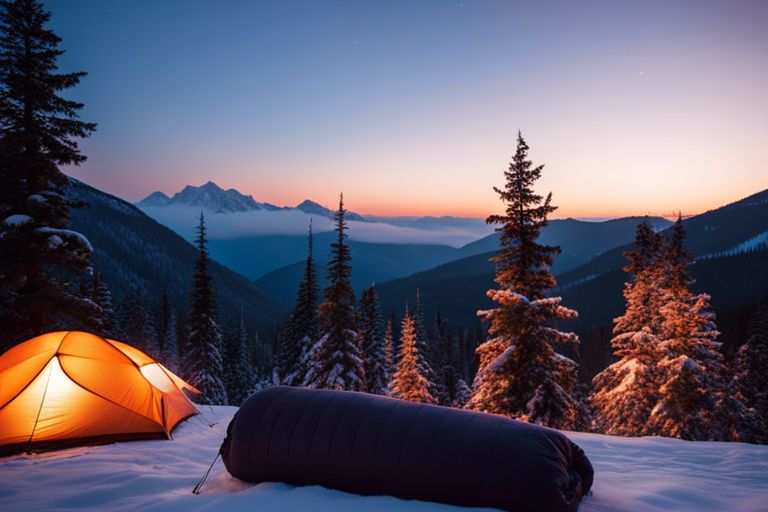
Following this discussion, it is clear that having the right sleeping bag is crucial for cold weather camping. Your choice of sleeping bag can make the difference between a comfortable and warm night’s sleep and a miserable, frosty one. It is important to consider factors such as insulation, shape, and temperature rating when selecting a sleeping bag for cold weather camping. By investing in a high-quality, properly rated sleeping bag, you can ensure that you stay warm and comfortable during your winter camping adventures.
Remember, even with the right sleeping bag, it is also important to layer up and use proper insulation to stay warm in colder conditions. So, before you head out on your next cold weather camping trip, be sure to carefully consider your sleeping bag choice and make sure it is suitable for the temperatures you will encounter. Your enjoyment of the great outdoors during winter camping largely depends on your ability to stay warm and comfortable, and your sleeping bag plays a crucial role in making that happen.
FAQ
Q: Why is the right sleeping bag crucial for cold weather camping?
A: The right sleeping bag is crucial for cold weather camping because it provides insulation and warmth, which are essential for staying comfortable and safe in low temperatures. Using the wrong sleeping bag can result in discomfort, loss of body heat, and even hypothermia in extreme cases.
Q: What factors should I consider when choosing a sleeping bag for cold weather camping?
A: When choosing a sleeping bag for cold weather camping, it’s important to consider the temperature rating, insulation type (such as down or synthetic), fill power, weight, and packability. The temperature rating should match the lowest temperature you expect to encounter, while the insulation type and fill power will determine the bag’s warmth and weight.
Q: How can I maintain and care for my cold weather camping sleeping bag?
A: To maintain and care for your cold weather camping sleeping bag, it’s crucial to follow the manufacturer’s instructions for cleaning and storage. Regularly fluffing the bag and storing it loosely will help maintain its loft and insulation. Additionally, using a sleeping bag liner can keep it clean and extend its lifespan.
0 Comments