
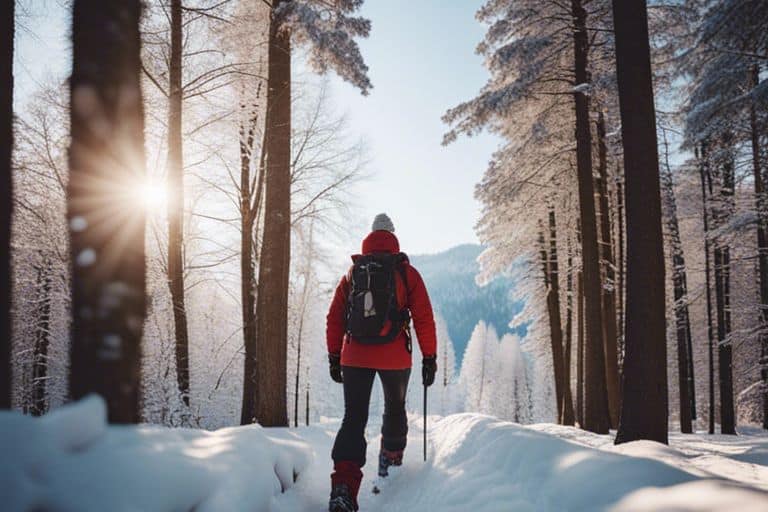
Embrace the beauty and tranquility of winter hiking with these essential tips for staying safe on the trails. Winter hiking, while rewarding, poses unique challenges and requires careful preparation to ensure a safe and enjoyable experience. As you venture out into the snowy wilderness, keep these important guidelines in mind to protect yourself from the dangers of the cold, snow, and ice.
First and foremost, dress appropriately for the weather conditions. This means wearing layers of moisture-wicking clothing, insulated outerwear, waterproof boots, and accessories such as gloves, hats, and scarves to keep you warm and dry. Carry essential safety gear including a map, compass, first aid kit, and emergency supplies such as extra food and water, in case you become stranded. Lastly, know your limits and be mindful of changing weather conditions. Always check the forecast before heading out and be prepared to turn back if conditions become hazardous. By following these essential tips, you can enjoy a safe and memorable winter hiking experience.
Key Takeaways:
- Be prepared: Always check the weather forecast and trail conditions before heading out and pack essential gear such as extra layers, a first aid kit, and emergency communication devices.
- Stay on marked trails: It’s important to stick to established trails in winter to avoid getting lost in the snow or ending up in avalanche-prone areas.
- Practice proper layering: Dress in moisture-wicking layers and avoid cotton to stay dry and warm during your winter hike.
- Stay hydrated and fueled: Cold weather can increase the body’s need for hydration and energy, so be sure to pack plenty of water and high-energy snacks.
- Know when to turn back: It’s crucial to recognize your limits and the signs of hypothermia or fatigue and be willing to abandon your hike if conditions become unsafe.
Preparation Is Key: Pre-Hike Essentials
For a safe and enjoyable winter trail hiking experience, it’s essential to prepare and pack accordingly. Before you hit the trail, familiarize yourself with the potential dangers and challenges posed by cold weather. You can find valuable tips and information on cold-weather hiking by referring to the Cold-Weather Hiking Tips & Clothing Guide provided by REI.
Understanding the Impact of Winter Conditions
Winter hiking presents unique challenges that differ from those encountered during other seasons. Reduced daylight, freezing temperatures, and potential for ice and snow all contribute to the increased difficulty and danger of winter trails. Understanding the impact of these conditions on your hike is crucial for your safety and enjoyment. Before embarking on your hike, be sure to research the specific trail and its winter conditions, as well as any recent trail updates or advisories. Consider factors such as terrain, elevation, and exposure to wind and weather when assessing the potential challenges you may face.
Dressing for Success: Layering and Gear Selection

When it comes to winter hiking, your clothing and gear choices are critical for staying warm, dry, and well-protected from the elements. Proper layering is essential for managing body temperature and staying comfortable throughout your hike. Start with a moisture-wicking base layer to keep sweat away from your skin, add insulating layers for warmth, and finish with a protective outer shell to shield you from wind and precipitation. Additionally, selecting appropriate footwear with good traction and insulation, as well as using gear such as gaiters and trekking poles, can greatly enhance your winter hiking experience.
Nutritional Considerations and Hydration Strategies
Winter trails demand additional energy and hydration due to the increased physical exertion required and the body’s efforts to stay warm. Planning your nutrition and hydration strategies is crucial for maintaining your energy levels and avoiding dehydration. Pack high-energy and easily accessible snacks, such as nuts, dried fruits, and energy bars, to fuel your hike. In addition, ensure you have a reliable hydration system, as water sources on winter trails may be frozen or limited. Consider using an insulated water bottle or a hydration pack with an insulating hose to prevent your water from freezing during the hike.
Equipment and Maintenance: Your Hiking Arsenal
Some of the most critical factors to consider when preparing for a safe winter trail hike are the equipment you choose to bring with you and the maintenance of that equipment. Your hiking gear acts as your support system — allowing you to trek through snow, ice, and cold temperatures with confidence. Ensuring your hiking arsenal is in top condition is essential for your safety and comfort on the trail.
Selecting the Right Winter Hiking Equipment
When it comes to winter hiking, having the right equipment can make all the difference in the world. Your footwear is of utmost importance during the winter months, as it provides traction and support on icy and snowy terrain. Look for waterproof, insulated boots with a strong grip to keep your feet warm and prevent slips and falls. Additionally, consider investing in gaiters to keep snow out of your boots and snowshoes for deep powder.
It’s also crucial to dress in layers to regulate your body temperature and stay dry. Choose clothing made from moisture-wicking and insulating materials, such as wool or synthetic fibers. Pack extra layers, including a waterproof outer shell, to ensure you can adjust to changing weather conditions. Additionally, protecting your extremities with gloves, hats, and neck gaiters is essential to prevent frostbite and hypothermia.
Regular Maintenance for Reliability and Safety
Regular maintenance of your hiking equipment is vital to ensure its reliability and your safety on the trail. It’s crucial to inspect your gear before each hike to identify any signs of wear and tear. Check your boots for damaged insulation or worn treads, and inspect your clothing for tears or weakened waterproofing. It’s also important to regularly clean and re-waterproof your outer layers to maintain their effectiveness in repelling moisture.
Furthermore, keeping your hiking gear clean and dry when not in use can prolong its lifespan and effectiveness. Store your gear in a cool, dry place to prevent mold and mildew from developing. Regularly clean and dry your boots to prevent the buildup of ice and snow, and ensure your gaiters and snowshoes are free of debris that could affect their performance.
Building Endurance and Agility for Winter Hiking
Your endurance and agility are crucial when it comes to winter hiking. As the terrain becomes more challenging and the weather more unpredictable, you need to be prepared both physically and mentally. In this section, we will discuss some training techniques that can help you build the stamina and agility needed for safe and enjoyable winter trail hiking.
Training Techniques for Enhanced Stamina
Enhancing your stamina is essential for winter hiking, as you may encounter longer distances and more difficult terrain. To build your endurance, regular aerobic exercise such as running, cycling, or swimming can be very effective. Aim to incorporate these activities into your weekly routine, gradually increasing the intensity and duration of your workouts to prepare your body for the demands of winter hiking. Additionally, strength training exercises for your lower body, such as squats and lunges, can help improve your overall endurance and stability on the trail. Don’t forget to also work on your core strength, as a strong core can help you maintain good posture and balance during long hikes.
Incorporating Plyometrics and Interval Workouts
Aside from traditional aerobic and strength training exercises, incorporating plyometrics and interval workouts into your training regimen can be highly beneficial for improving your agility and stamina. Plyometric exercises such as box jumps, squat jumps, and burpees can help enhance your explosive power and agility, which are valuable assets when maneuvering through uneven and snowy terrain. Interval training, which involves alternating between high-intensity bursts of activity and periods of rest, can also be extremely effective for improving your cardiovascular endurance and overall fitness level. These workouts can be adapted to mimic the challenges you may face during winter hiking, helping you to simultaneously improve your endurance, agility, and mental toughness.
Technical Skills for Navigating Snowy Trails
After you have developed a strong foundation of winter hiking skills, it’s time to focus on the technical skills necessary for navigating snowy trails. These skills will help you to confidently and safely traverse snowy and icy terrain, ensuring a successful winter trail hiking experience.
Mastering Hiking Techniques for Various Snow Conditions
When hiking on snowy trails, it’s essential to have a good understanding of various snow conditions and the hiking techniques best suited for each. In powdery snow, make sure to lift your knees higher to avoid sinking in and use trekking poles for added stability. When navigating icy terrain, focus on using a wider stance and keeping your weight on your front foot to prevent slipping. Additionally, practice the “kick-step” technique in compacted snow to create footholds for better traction. By mastering these hiking techniques, you’ll be better equipped to handle the challenges of winter trail hiking.
Defensive Tactics Against Common Winter Hazards
Along with technical hiking skills, it’s important to be prepared for common winter hazards that you may encounter on snowy trails. Avalanches, hypothermia, and frostbite are all potential dangers, so always check avalanche forecasts and carry essential gear such as a beacon, probe, and shovel. Dress in layered clothing to protect yourself against the cold and be vigilant in recognizing the early signs of hypothermia and frostbite. Knowing how to identify and defend against these hazards is crucial for staying safe while winter trail hiking.
Safety Measures and Emergency Preparedness
To ensure your safety while winter trail hiking, it is essential to take certain safety measures and be prepared for any emergencies that may arise. This includes careful planning, carrying essential gear, and knowing how to handle potential injuries or emergencies.
Planning and Strategy: Navigating the Trail with Care
When hiking in winter conditions, it’s important to plan your route carefully and be strategic about navigating the trail. Make sure to check the weather forecast and trail conditions before heading out, and choose a trail that is suitable for winter hiking. Inform someone of your hiking plans and estimated return time so that they can alert authorities if you do not return as planned. Additionally, bring a map, compass, or GPS device to help you stay on track and avoid getting lost in the snow.
Injury Prevention and Dealing with Hypothermia
Preventing injuries and dealing with hypothermia are critical aspects of safe winter trail hiking. Be sure to wear proper clothing layers and insulated, waterproof footwear to protect yourself from the cold and wet conditions. Additionally, stay hydrated and well-nourished, as dehydration and hunger can increase your risk of hypothermia. In the event of an injury or emergence of hypothermia, it’s important to have basic first aid knowledge and a well-stocked first aid kit on hand. Knowing how to assess and treat injuries can make a significant difference in the outcome of an emergency situation in the wilderness.
Hiking with Others: The Dynamics of Group Formation
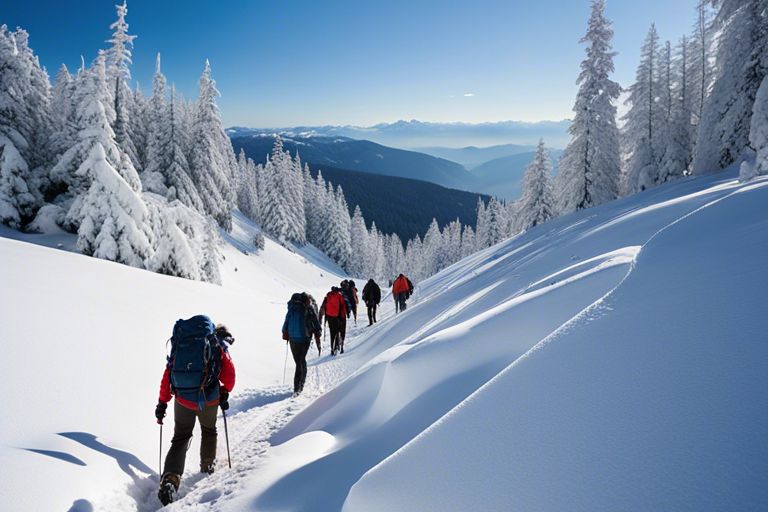
Lastly, when it comes to safe winter trail hiking, it’s important to consider the dynamics of group formation. Hiking with others can provide safety, support, and companionship. However, it’s essential to understand the role of leadership, teamwork, and strategies for keeping the group together and motivated.
The Role of Leadership and Teamwork on the Trail
When hiking with a group, the role of leadership and teamwork is crucial for ensuring everyone’s safety and well-being. It’s important to designate a leader or leaders who are experienced and knowledgeable in winter trail hiking. The leader should be responsible for setting the pace, making decisions, and ensuring that the group stays together. Additionally, teamwork is essential for supporting one another, sharing resources, and helping each other navigate challenging terrain. As a member of the group, you should be prepared to contribute to the collective effort and follow the guidance of the designated leaders.
Strategies for Keeping the Group Together and Motivated
One of the most important strategies for keeping the group together and motivated is communication. Ensure that everyone has a reliable means of communication, such as two-way radios or mobile phones, and establish a system for checking in regularly. Additionally, setting clear expectations at the beginning of the hike, such as the planned route, expected pace, and meeting points, can help prevent confusion and keep the group on track. Another important strategy is to monitor the physical and mental well-being of each group member and offer support when needed. Furthermore, encouraging and motivating each other during challenging sections of the trail can help maintain morale and keep the group moving forward together.
The Role of Technology and Innovation
Despite the traditional appeal of winter trail hiking, technology and innovation have become increasingly important for ensuring a safe and enjoyable experience. From leveraging GPS and mobile apps for trail guidance to the advances in gear using lightweight materials and durability, these innovations are helping hikers like yourself stay safe and better prepared on the trails.
Leveraging GPS and Mobile Apps for Trail Guidance
When you’re out on the trail, having access to GPS and mobile apps can be a game changer. These technologies provide you with real-time navigation, allowing you to stay on course and avoid getting lost in unfamiliar terrain. By using these tools, you can also track your progress, monitor the weather, and receive alerts about any potential hazards along the way. With the increased accuracy and reliability of GPS and mobile apps, you can have peace of mind knowing that you have a reliable guide at your fingertips.
Advances in Gear: Lightweight Materials and Durability
Winter trail hiking requires durable and reliable gear to withstand the harsh conditions. Fortunately, advancements in gear have led to the development of lightweight materials with enhanced durability. This means that your backpack, clothing, footwear, and other essentials are now more resilient while being lighter and more comfortable to wear. When you have the right gear equipped with these innovations, you can optimize your performance and minimize the risk of injury on the trails.
When the Trail Ends: Recovery and Gear Aftercare
However, the end of your winter trail hike does not mean the end of your responsibilities. Taking care of yourself and your gear after the hike is just as important as the hike itself. Once you have completed your hike, it’s time to focus on recovery and aftercare for both yourself and your equipment.
Cool Down and Recovery Techniques Post-Hike
After a long and strenuous trail hike, it’s important to allow your body to cool down and recover. One of the most important things you can do is to properly stretch your muscles to prevent stiffness and soreness. Take the time to stretch out your legs, back, and arms to help your body recover from the physical exertion. Additionally, focus on hydrating and refueling your body with a healthy snack to replenish the energy you’ve expended. Remember to listen to your body and give yourself the rest you need to recover fully before your next adventure.
Post-Trail Gear Cleanup and Storage Solutions
As crucial as it is to take care of yourself after the hike, it’s equally essential to properly clean and care for your hiking gear. Your equipment has been exposed to the elements and most likely faced some wear and tear during the hike. Take the time to clean and dry your hiking boots, clothing, and gear to prolong their lifespan and ensure they are ready for your next hike. Properly storing your gear in a cool and dry place will help prevent any damage or mold growth, keeping your equipment in top condition for future hikes.
Remember, taking care of yourself and your gear after the winter trail hike is just as important as the hike itself. Proper recovery techniques and gear aftercare will ensure that you are ready for your next adventure and that your equipment remains in top condition. Always prioritize safety and maintenance to make the most out of your hiking experiences.
Essential Tips for Safe Winter Trail Hiking
With this in mind, it’s important to remember that winter hiking can be a thrilling and beautiful experience, but it also presents unique challenges and hazards. By following the essential tips for safe winter trail hiking, you can ensure that you are prepared for any situation and can fully enjoy the beauty of the winter wilderness. Always be sure to properly layer your clothing, bring necessary gear, and make a plan for the unexpected. Being mindful of your surroundings and weather conditions, and knowing when to turn back if conditions become dangerous, can make all the difference in your winter hiking experience.
Remember, the key to safe winter trail hiking is preparation and awareness. By taking the necessary precautions and following these essential tips, you can have a safe and enjoyable winter hiking experience. Always prioritize safety and be mindful of your surroundings, and you’ll be able to fully appreciate the beauty of the winter landscape without putting yourself at unnecessary risk.
Essential Tips for Safe Winter Trail Hiking FAQ
Q: What gear is essential for winter trail hiking?
A: Essential gear for winter trail hiking includes insulated, waterproof boots, thermal layers, a windproof and waterproof jacket, gloves, a hat, and sunglasses to protect against sun glare on snow. It’s also important to bring a map, compass, and a fully charged phone or GPS device.
Q: How should I prepare for a winter trail hike?
A: Before heading out on a winter trail hike, check the weather forecast and trail conditions. Let someone know your hiking plans and expected return time. Pack high-energy snacks, plenty of water, and a first aid kit. It’s also critical to familiarize yourself with the trail route and have a backup plan in case of emergencies.
Q: What are important safety considerations for winter trail hiking?
A: When hiking in winter conditions, it’s crucial to be aware of the potential for hypothermia and frostbite. Dress in layers and stay dry to prevent heat loss. Avoid hiking alone, and keep an eye out for signs of avalanche danger. It’s also important to be mindful of early sunsets in winter, so plan your hike to ensure you have enough daylight to complete your journey safely.
0 Comments