

Brace yourself for a chilly adventure with some essential tips to ensure you have a safe and enjoyable camping experience in the cold. When it comes to camping in low temperatures, it’s crucial to be well-prepared in order to avoid any potential dangers that the cold weather can bring. By following these important guidelines, you can make the most of your camping trip, even in the coldest of conditions.
First and foremost, it’s crucial to dress appropriately for the cold weather. This means wearing multiple layers of clothing to keep warm, and investing in high-quality thermal gear to maintain your body heat. Another important aspect of cold-weather camping is ensuring that you have a well-insulated and weatherproof tent to protect you from the elements. Additionally, it’s essential to pack the right gear, including a high-quality sleeping bag and sleeping pad to keep you warm and comfortable throughout the night. With these essential tips in mind, you can ensure that your cold-weather camping trip is both safe and enjoyable.
Key Takeaways:
- Proper clothing is essential: Dress in layers and make sure to have a waterproof outer layer to protect yourself from the elements.
- Stay dry: Avoid getting wet at all costs, as moisture will make you feel colder and increase the risk of hypothermia.
- Stay hydrated and well-fed: It’s important to drink plenty of water and eat nutritious, high-energy foods to keep your body functioning properly in the cold.
- Be prepared for emergencies: Make sure to have a first aid kit, emergency supplies, and a reliable means of communication in case of unexpected events.
- Know the warning signs of hypothermia and frostbite: Educate yourself and your camping companions about the symptoms of these cold-related conditions, and be prepared to seek help if necessary.
Pre-Trip Planning
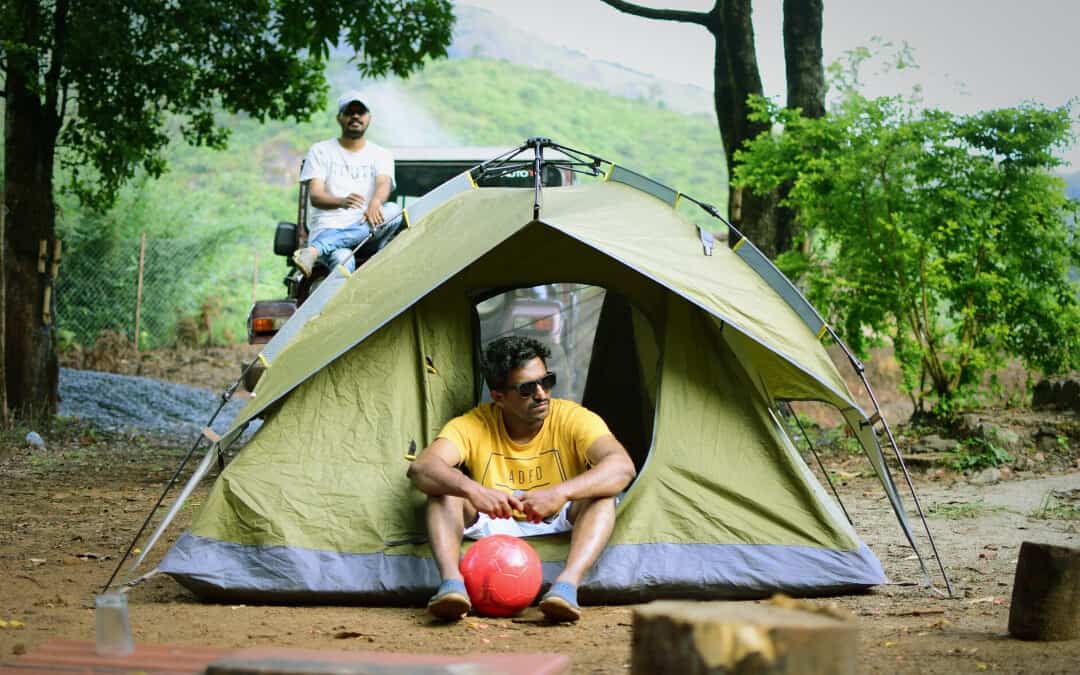
Some practical planning before embarking on a cold weather camping trip can make all the difference in ensuring a safe and enjoyable experience. Here are some important considerations to keep in mind as you prepare for your adventure.
Determining the ideal location and time
When planning a cold weather camping trip, it’s crucial to carefully consider the location and timing of your adventure. Choose a site that offers adequate shelter from harsh winds and is accessible in winter conditions. Additionally, consider the weather patterns and temperatures during the time of your trip. Aim for a time when the weather is relatively stable and not prone to extreme cold or blizzards. This will help ensure a more comfortable and safe experience.
Preparing essential itineraries and emergency contacts
Before embarking on a cold weather camping trip, it’s important to create a detailed itinerary of your journey, including your planned route, camping spots, and estimated travel times. This helps others know your whereabouts in case of an emergency. Additionally, make sure to share this itinerary with a friend or family member who is not on the trip. It’s also vital to compile a list of emergency contacts and relevant medical information for each member of your group. This ensures that you are prepared for any unforeseen circumstances that may arise during your trip.
Essential Gear and Clothing
Obviously, when camping in the cold, having the right gear and clothing is essential for your safety and comfort. In order to stay warm and protected from the elements, you need to be properly prepared with the right clothing layers and essential gear.
Choosing the right clothing layers for warmth and safety
When it comes to choosing the right clothing layers for cold-weather camping, it’s important to remember the three Ws: wicking, warmth, and weatherproofing. Start with a moisture-wicking base layer that will keep sweat away from your skin. Next, add a warm insulating layer, such as a fleece or down jacket, to trap heat. Finally, top it off with a weatherproof shell to protect you from wind, rain, and snow. Remember, layering is key to staying warm in the cold, as it allows you to easily adjust your clothing to your activity level and the changing weather conditions.
Must-have gear for cold-weather camping
When camping in the cold, there are a few essential pieces of gear that you should never leave home without. A four-season tent is a must to protect you from harsh winds and snow. A durable sleeping bag rated for cold temperatures, as well as a sleeping pad for insulation from the cold ground, are crucial for a good night’s sleep. Additionally, a reliable stove for cooking hot meals and melting snow for water, along with a headlamp or flashlight for navigating in the dark, are also essential for safety and convenience. Finally, don’t forget to pack extra fuel, batteries, and fire-starting materials to ensure you can stay warm and cook food even in challenging conditions.
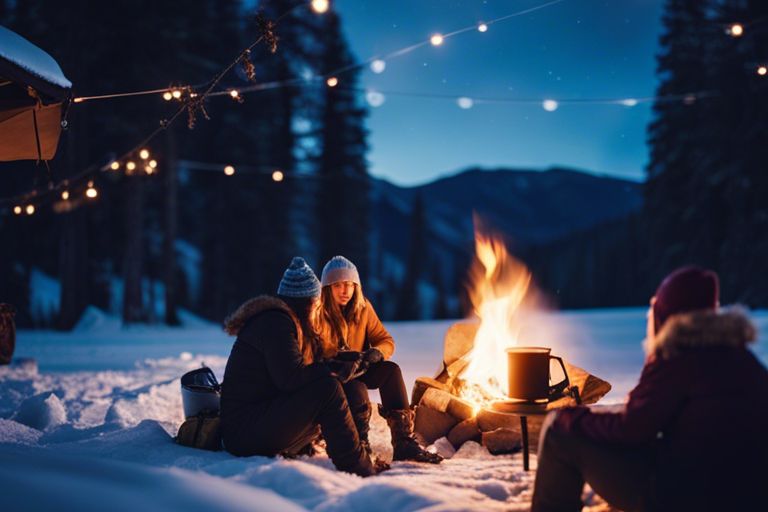
Setting Up a Safe Campsite
Your safety and enjoyment while camping in the cold heavily depend on how well you set up your campsite. Here are some essential tips to make sure you have a safe and enjoyable camping experience even in low temperatures.
How to select a safe and sheltered campsite
When choosing a campsite in cold weather, it’s crucial to find a spot that provides shelter from the wind and is free from hazards such as falling branches or unstable ground. Look for a location that is elevated and well-drained to avoid potential flooding. Additionally, consider setting up your campsite near a natural windbreak like a rock formation or dense trees, which can offer an extra layer of protection from the elements.
Tips for setting up your tent and sleeping arrangements
When setting up your tent in cold weather, make sure to choose a site that is level and free from rocks and debris that could puncture your tent or sleeping pad. Ensure that the entrance of your tent is positioned away from the prevailing wind to minimize cold drafts and snow accumulation.
- Choose an insulated sleeping pad to provide a barrier between you and the cold ground.
- Use a four-season tent that can withstand snow and high winds. Make sure to properly secure your tent with stakes and guy lines to prevent it from collapsing under heavy snow or wind load.
- Invest in a high-quality sleeping bag that is rated for the temperatures you expect to encounter. Look for a bag with a hood to trap body heat and consider using a sleeping bag liner for extra warmth.
Perceiving the importance of a well-prepared and insulated sleeping arrangement is crucial to staying warm and comfortable during cold nights.
Fire Building and Maintenance
When camping in cold weather, a properly built and maintained fire can be essential for your warmth and safety. However, building and maintaining a fire in cold conditions can be quite challenging. In this chapter, we will discuss the steps to build a fire that lasts and the safety considerations to keep in mind while handling fire in the wilderness.
Steps to build a fire that lasts
Building a fire in the cold requires careful planning and preparation. Here are the steps to help you build a fire that lasts:
1. Start with the right materials: When building a fire in the cold, it’s important to start with dry kindling and tinder. This will help your fire to catch and burn more easily, even in damp conditions. Collect twigs, small dry branches, and paper to use as tinder. Gather larger pieces of dry wood to fuel the fire once it is lit.
2. Use the right fire lay: Building a fire in layers, with the smallest and driest materials at the bottom, will help it to catch and burn more efficiently. The teepee, log cabin, and lean-to fire lays are popular choices for building fires and each has its advantages in different weather conditions. Consider the wind direction and humidity levels when choosing the best fire lay for your campsite.
Safety considerations while handling fire in the wilderness
When handling fire in the wilderness, safety should always be your top priority. Here are some important safety considerations to keep in mind:
1. Clear the area around your fire: Before you start your fire, make sure the area around it is clear of any flammable materials. This includes dry leaves, grass, and overhanging branches. Clear a space at least 10 feet in diameter to ensure that your fire does not spread uncontrollably.
2. Keep a water source nearby: It’s essential to have a water source, such as a bucket or a hose, nearby in case the fire gets out of control. You should also have a shovel on hand to smother any embers or flames that may stray from the fire pit.
Nutrition and Hydration
Despite the cold weather, it’s important to maintain proper nutrition and hydration while camping. Cold temperatures can increase your body’s calorie needs, making it crucial to fuel your body properly. In addition, staying hydrated is essential for your overall well-being, especially in the cold. Here’s how to ensure you are getting the nutrition and hydration you need during your cold-weather camping trip.
How-to guide for planning meals and nutrition
When planning your meals for cold-weather camping, it’s important to focus on nutrient-dense foods that will provide you with the energy you need to stay warm and active. High-protein foods like nuts, seeds, and dried fruits can help keep your body fueled and warm. You should also incorporate complex carbohydrates such as whole grains and oats, as they provide a steady source of energy. Additionally, don’t forget to pack healthy fats like avocado, olive oil, and nuts to help keep you satisfied and warm. Plan your meals in advance to ensure you have the right balance of nutrients to fuel your outdoor activities.
Importance of staying hydrated and how to do it
Staying hydrated is crucial, even in cold weather. Dehydration can happen as a result of increased urine output, sweat production, and dry air, so it’s important to drink plenty of fluids throughout the day. Make sure to pack a reliable water source and consider using an insulated water bottle to prevent your water from freezing. You can also consume warm beverages like herbal tea or hot water with lemon to help keep you hydrated and warm. Furthermore, incorporating hydration-friendly foods like fruits and vegetables with high water content will also contribute to your overall hydration.
Safety and Emergency Preparedness
Now that you are ready to embark on a camping trip in the cold, it is important to prioritize safety and emergency preparedness. The lower temperatures and potential for harsh weather conditions increase the risk of accidents and other emergencies. By taking the right precautions and being prepared for unexpected situations, you can ensure a safe and enjoyable camping experience.
Recognizing hypothermia and frostbite: prevention and response
When camping in the cold, it’s crucial to be aware of the signs of hypothermia and frostbite, as well as how to prevent and respond to these conditions. Hypothermia occurs when your body loses heat faster than it can produce it, resulting in a dangerously low body temperature. Symptoms include shivering, cold and pale skin, confusion, and exhaustion. To prevent hypothermia, dress in layers and keep your clothing dry. If you suspect someone is experiencing hypothermia, get them to a warm place, remove any wet clothing, and use blankets or warm fluids to help them warm up. Frostbite occurs when the skin and tissue freeze, usually in extremities such as fingers, toes, nose, and ears. Symptoms include numbness, tingling, and pale or waxy skin. To prevent frostbite, keep these areas covered and dry. If someone shows signs of frostbite, gently warm the affected areas with body heat or warm water (not hot).
Navigating weather changes and emergency situations
Weather conditions can change rapidly when camping in the cold, so it’s important to stay informed and be prepared for emergencies. Keep an eye on the forecast and be ready to adapt your plans if necessary. If you encounter severe weather such as a blizzard or strong winds, seek shelter immediately and wait for the conditions to improve. Pack a first aid kit, emergency supplies, and a communication device in case of unforeseen emergencies. If you become lost or injured, stay calm and use your resources wisely. Remember, staying safe is the top priority when facing unexpected situations in the great outdoors.
Leave No Trace and Eco-Conscious Camping
To ensure that your camping experience in the cold is not only safe and enjoyable but also eco-conscious, it’s important to follow certain guidelines. For more detailed tips on camping in cold weather, you can check out 20 Tips for Camping in Cold Weather.
Practices for minimal environmental impact
When camping in the cold, it’s important to be mindful of your impact on the environment. Minimize your impact by following the principles of Leave No Trace. This means practicing proper waste disposal, reducing noise pollution, and respecting wildlife. Additionally, use eco-friendly camping gear and products to reduce waste and minimize your environmental footprint.
How to ensure you leave your campsite as you found it
Leaving your campsite as you found it is crucial for minimizing your impact on the environment. Always pack out all your trash and dispose of it properly. Make sure to leave no trace of your stay – this includes removing any tent stakes, filling in any fire pits, and avoiding the use of soap in natural water sources. By following these practices, you can contribute to preserving the natural beauty of the wilderness for future generations of campers to enjoy.
Cold-Weather Camping Activities and Tips
After setting up your campsite and bundling up in your warm clothes, it’s time to think about activities to keep you entertained and comfortable during your cold-weather camping trip. Here are some tips and activities to ensure an enjoyable experience:
- Take a nature hike to explore the winter landscape and enjoy the scenic views.
- Build a snow shelter or igloo as a fun and educational activity.
- Try winter fishing if the campsite is near a frozen lake or river.
- Set up a campfire and roast marshmallows or make hot cocoa to warm up.
After a day of outdoor activities, you can gather around the campfire for a cozy evening under the stars. However, it’s important to be prepared for the colder temperatures at night.
Fun activities to enhance your experience
While camping in the cold, it’s essential to find ways to have fun and make the most of your experience. Consider bringing along some card games or a portable music player to keep yourself entertained during downtime. Additionally, organizing a winter scavenger hunt can add excitement to your trip and allow you to explore the winter wonderland around you.
How to stay warm and entertained during down times
During down times, it’s crucial to stay warm and entertained to avoid feeling too cold and uncomfortable. You can bring along a good book to read inside your tent or play board games with your camping companions. Additionally, having a thermos with hot soup or tea can provide a comforting and warming break during the chilly weather.
Conclusion: How to Stay Safe and Enjoyable Camping in the Cold
With this in mind, it’s crucial to always be prepared and take the necessary precautions when camping in cold weather. The key to an enjoyable and safe experience is to dress appropriately, stay dry, and take frequent breaks to prevent hypothermia. Additionally, always be aware of your surroundings and keep an eye on the weather forecast to avoid any unexpected changes in conditions. By following these tips, you can ensure a comfortable and memorable camping trip, even in the coldest of temperatures.
FAQ
Q: What are the essential items to pack for cold-weather camping?
A: Essential items for cold-weather camping include a four-season tent, a warm sleeping bag rated for low temperatures, insulated sleeping pads, layered clothing, gloves, hats, and hand warmers. It’s also crucial to bring a camping stove and fuel for hot meals and drinks, as well as a first aid kit and emergency supplies.
Q: How do I stay warm while camping in cold weather?
A: To stay warm while camping in cold weather, it’s essential to layer clothing, starting with moisture-wicking base layers, followed by insulating layers and a waterproof and windproof outer layer. It’s crucial to insulate the body from the ground with an insulated sleeping pad and to keep extremities such as hands and feet warm with gloves, hats, and warm socks. Additionally, staying hydrated and consuming hot meals and drinks can help maintain body temperature.
Q: What safety precautions should I take when camping in the cold?
A: When camping in the cold, it’s important to monitor weather forecasts and be prepared for unexpected changes. It’s crucial to avoid hypothermia and frostbite by dressing appropriately, staying dry, and seeking shelter from the wind. Additionally, it’s important to practice proper campfire safety, including using a designated fire ring or pit, keeping the fire small, and ensuring it’s fully extinguished before leaving. Finally, it’s important to inform someone of your camping plans and expected return time in case of emergency.
0 Comments