
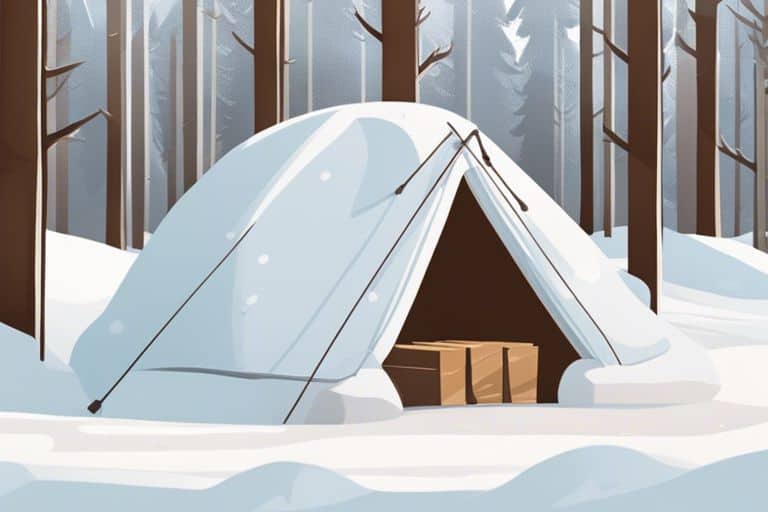
In the midst of heavy snowfall, it’s crucial to have a sturdy and reliable shelter to protect you from the elements. When you’re out in the wilderness, it’s essential to know how to build a snow shelter that will keep you warm and safe. In this guide, you will learn the step-by-step process of constructing a durable snow shelter for winter camping, ensuring that you have a secure place to rest in the harshest of conditions.
To begin, you’ll need to find a suitable location with compact, deep snow that can be shaped into a solid structure. With the right techniques and materials, you’ll be able to construct a snow shelter that will withstand even the toughest of winter storms. So, let’s get started on building a snow shelter that will provide you with a sense of security and comfort during your winter adventures.
Key Takeaways:
- Choosing the right location: Select a spot with compacted snow and minimal wind exposure to build a sturdy snow shelter.
- Building a solid foundation: Create a level, compacted base to support the weight of the shelter and prevent collapse.
- Using proper tools: Utilize snow saws, shovels, and other tools designed for snow shelter construction to ensure stability and durability.
- Adding ventilation: Incorporate ventilation holes or a chimney to avoid suffocation and reduce condensation inside the shelter.
- Regular maintenance: Check and reinforce the shelter regularly, especially after heavy snowfall, to ensure its stability and safety.

Preparation for Building a Snow Shelter
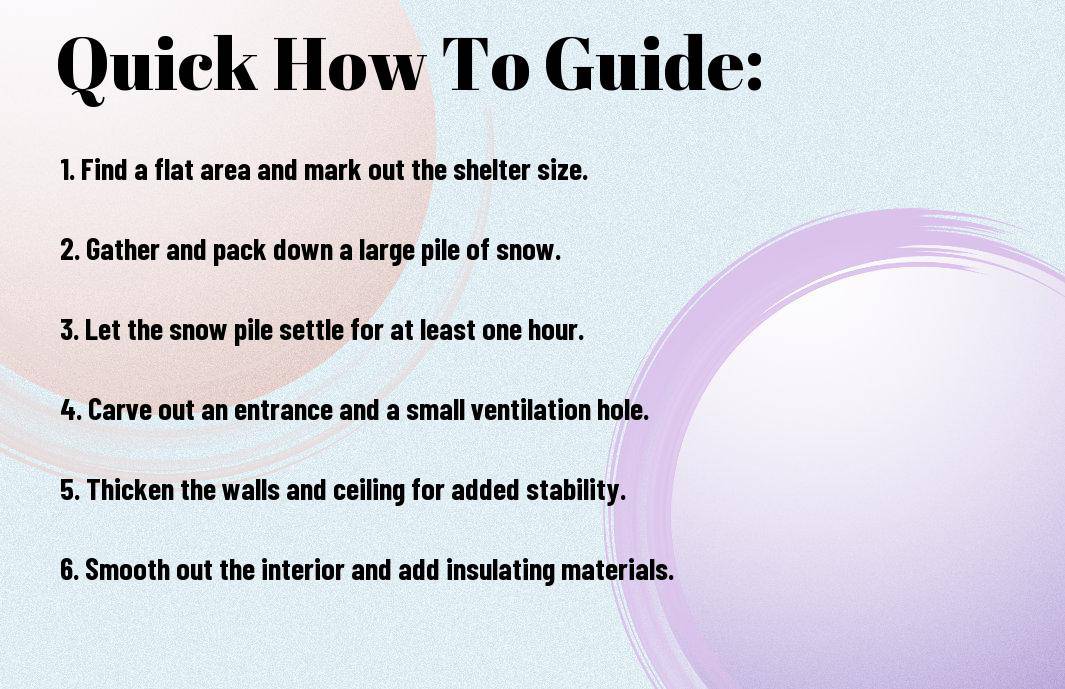
Now that you have decided to build a snow shelter for winter camping, it’s time to start preparing for the project. Proper preparation is essential to ensure that your shelter is sturdy and safe. This chapter will guide you through the steps you need to take before starting the build.
Factors to Consider Before Starting Your Build

Before you begin building your snow shelter, there are several important factors to consider. First, check the weather forecast to ensure that you will have suitable conditions for building. Heavy snowfall or high winds can make it difficult to construct a shelter, so choose a day with relatively calm weather. Additionally, assess the terrain and surroundings where you plan to build. Look for a flat area with a good supply of snow that is not prone to avalanches or other natural hazards. Finally, consider the number of people who will be using the shelter and plan its size accordingly.
- Weather forecast: Ensure suitable conditions for building
- Terrain and surroundings: Choose a flat, safe area with ample snow
- Number of people: Plan the shelter’s size according to your group
Any time spent considering these factors before starting your build will contribute to the safety and effectiveness of your snow shelter.
Planning the Dimensions and Design of Your Shelter
When planning the dimensions and design of your snow shelter, it’s important to take into account several factors. First, consider the size and shape of the shelter based on the number of people it will accommodate. A larger group will require a bigger shelter, while a smaller group can make do with a smaller one. Additionally, think about insulation and ventilation. Proper insulation will keep you warm, and adequate ventilation will ensure fresh air while preventing condensation inside the shelter.
Remember that these factors are crucial in the comfort and safety of your snow shelter during heavy snowfall.
Choosing the Ideal Location
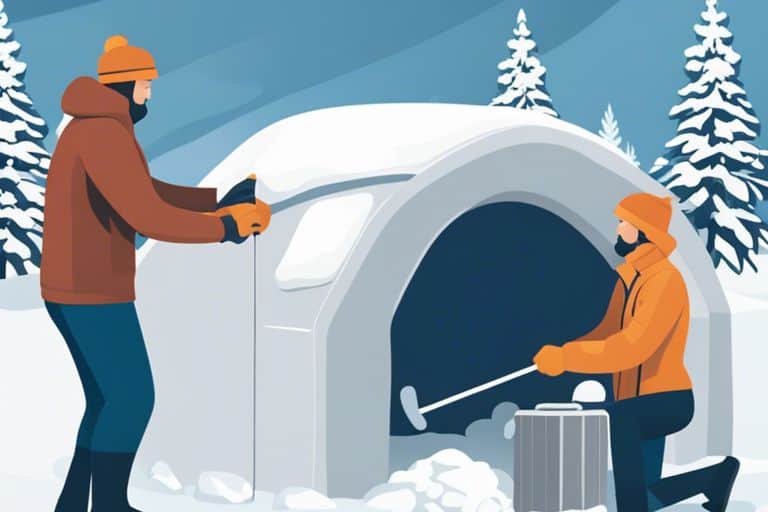
Despite the temptation to set up your snow shelter as quickly as possible, taking the time to choose the ideal location is crucial for ensuring its sturdiness and your safety. When picking a location for your snow shelter, there are several factors to consider.
Analyzing Snow Conditions and Stability
Before building your snow shelter, it’s essential to assess the snow conditions and stability of the area. Look for freshly fallen snow, as this can be easier to compact and shape into a sturdy shelter. Additionally, pay attention to any signs of snow instability, such as recent avalanches or snowdrifts. Choose a location where the snow is well compacted and stable, as this will provide a better foundation for your shelter.
Considering Wind Direction and Natural Shelter
Another important factor to consider when selecting a location for your snow shelter is the direction of the wind. Choosing a location that is sheltered from strong winds will help to minimize heat loss and protect you from inclement weather. Look for natural features such as trees, rocks, or ridges that can provide additional protection from the wind. These features can also act as anchors for your shelter, increasing its stability in heavy snowfall.
Constructing the Foundation
Not sure where to start when building a snow shelter for winter camping? The foundation is the most crucial aspect of your shelter, as it provides stability and insulation. You can learn how to build a sturdy foundation by watching this video tutorial on Building A SNOW Shelter/ Camping Cold Weather! – YouTube.
How to Create a Solid Base
When building your snow shelter, it’s essential to create a solid base. You can do this by compacting the snow in the chosen area to create a strong and stable foundation. The weight of the compacted snow will increase the stability of your shelter. Alternatively, you can use a snow shovel to pile up compacted snow to form a strong and flat base. This will prevent the shelter from sinking or shifting as you build it up.
Shaping the Foundation to Optimize Insulation and Stability
Shaping the foundation of your snow shelter is crucial to optimize insulation and stability. Digging a trench along the perimeter of the compacted snow base will help trap cold air and prevent heat from escaping. Additionally, creating a slight incline on the floor of the shelter will allow cold air to flow downward, away from the sleeping area. This will improve insulation and keep you warmer throughout the night. By shaping the foundation in this way, you can ensure better stability and insulation for your snow shelter.
Erecting the Shelter Walls
For a sturdy snow shelter, building strong walls is crucial. The walls will provide stability and protection from the harsh winter elements. It is important to take your time and ensure that the walls are constructed properly to withstand heavy snowfall and strong winds.
How-To Techniques for Sturdy Wall Construction
When building the walls of your snow shelter, there are a few techniques you can employ to ensure their sturdiness. First, compact the snow as much as possible before shaping it into blocks for the walls. The more densely packed the snow, the stronger the blocks will be. Additionally, consider using a saw or snow knife to cut uniform blocks, which will make it easier to stack them securely. As you stack the blocks, be sure to angle them slightly inward to create a slight slope, which will help prevent collapse under the weight of heavy snow.
Tips for Insulating and Ventilating Your Walls
Insulation and ventilation are important considerations when building the walls of your snow shelter. To improve insulation, consider using dry, loose snow in between the inner and outer layers of the walls. This will create a barrier that helps retain heat inside the shelter. Additionally, carving out small vents near the top of the walls will allow for adequate air circulation without compromising the shelter’s structural integrity. Consider covering the vents with a breathable fabric, such as a piece of lightweight netting, to prevent snow from blowing inside.
- Use dry, loose snow for insulation
- Create small vents near the top of the walls
- Cover vents with breathable fabric
This will help maintain a comfortable and safe environment inside your snow shelter.
Carving Out the Interior
Unlike shelter building in milder weather, when constructing a snow shelter, it’s important to carefully carve out the interior. Start by removing the excess snow from the inside, paying extra attention to the ceiling to prevent any risk of collapse. Use a shovel to carve the interior space, ensuring that the walls and ceiling are sturdy and smooth to minimize the risk of snow melting and refreezing inside the shelter.
Maximizing Space and Comfort Inside the Shelter
When carving out the interior of your snow shelter, consider maximizing space and comfort. Design the shelter with enough room to comfortably accommodate you and your gear. Create bench-like sleeping platforms along the walls to keep your sleeping area off the cold ground. Additionally, carve out a small area for your cooking stove, ensuring it is well-ventilated to prevent the buildup of toxic carbon monoxide.
Ensuring Adequate Ventilation to Prevent Condensation and CO Buildup
Ensuring adequate ventilation is crucial to prevent condensation and carbon monoxide buildup inside your snow shelter. When carving out the interior, be sure to create a ventilation hole near the top of the shelter to allow fresh air to circulate. You can also create a secondary ventilation hole near the base to promote air flow and minimize the risk of carbon monoxide buildup. Remember, proper ventilation is critical to your safety and well-being.
Adding Final Touches and Reinforcements
Keep in mind that adding final touches and reinforcements to your snow shelter is crucial to ensure its sturdiness and ability to withstand heavy snowfall. After you have constructed the basic structure and walls of your shelter, it is time to focus on sealing and smoothing the walls, as well as implementing reinforcements to make it durable.
Sealing and Smoothing the Walls
Once the basic structure of your snow shelter is complete, you need to focus on sealing and smoothing the walls to make it more resistant to snow and wind. Using a shovel or your hands, compact the snow on the interior and exterior walls of the shelter. This will help to strengthen the walls and prevent them from collapsing under the weight of heavy snowfall. Additionally, you can use a snow saw or knife to carefully smooth out any rough or uneven surfaces, creating a more uniform and stable structure.
Reinforcement Tips to Withstand Heavy Snowfall
When building a snow shelter for winter camping in heavy snowfall, it is essential to reinforce the structure to ensure its durability. One effective method is to create extra thick walls by piling up additional snow along the base and around the perimeter of the shelter. This will provide added support and stability against the weight of heavy snow. Additionally, you can reinforce the roof of your shelter by placing tree branches or wooden beams across the top to distribute the weight of the snow more evenly.
- Use branches or beams to strengthen the roof
- Extra thick walls for added support
- Compact snow around the perimeter
After reinforcing your snow shelter, you can rest assured that it will be better equipped to withstand the harsh conditions of winter camping in heavy snowfall.
Conclusion: How to Build a Sturdy Snow Shelter for Winter Camping in Heavy Snowfall
Conclusively, building a sturdy snow shelter for winter camping in heavy snowfall requires careful planning and attention to detail. By following the steps outlined in this guide, you can ensure that you have a safe and secure place to weather the elements during your winter camping trip. Remember to gather all necessary materials, choose a suitable location, and carefully construct your shelter to withstand the weight of heavy snow. Additionally, always be sure to check for potential dangers such as avalanches or shifting snow before building your shelter, and make necessary adjustments as needed.
Ultimately, building a snow shelter can be a rewarding and potentially life-saving experience during winter camping. By utilizing the knowledge and skills outlined in this guide, you can feel confident in your ability to build a sturdy snow shelter that will keep you protected from the elements during your winter camping adventures. Stay safe, and happy winter camping!
Winter Camping Snow Shelter FAQ
Q: What materials and tools are needed to build a sturdy snow shelter for winter camping in heavy snowfall?
A: To build a sturdy snow shelter, you will need a shovel, preferably a snow saw or snow shovel, and solid snow blocks. It is important to pack the snow down firmly to create strong walls and a stable roof. You may also need a tarp or other insulating material to line the inside of the shelter.
Q: How can I ensure the snow shelter is sturdy enough to withstand heavy snowfall and wind?
A: To ensure the snow shelter can withstand heavy snowfall and wind, it is crucial to pack the snow tightly and evenly when constructing the walls and roof. Use a snow saw or shovel to cut uniform snow blocks and firmly stomp them into place. Additionally, you can reinforce the structure by using ski poles or sticks to add support to the walls and roof.
Q: What are some safety precautions to consider when building and using a snow shelter for winter camping?
A: When building and using a snow shelter for winter camping, it is important to consider the risk of snow slides and collapses. Always check for potential avalanche hazards and choose a safe location for your shelter. Furthermore, make sure to keep ventilation holes in the roof to prevent carbon monoxide buildup from heating sources inside the shelter. Lastly, be mindful of the weather forecast and avoid camping in areas with high avalanche risk during heavy snowfall.
0 Comments