
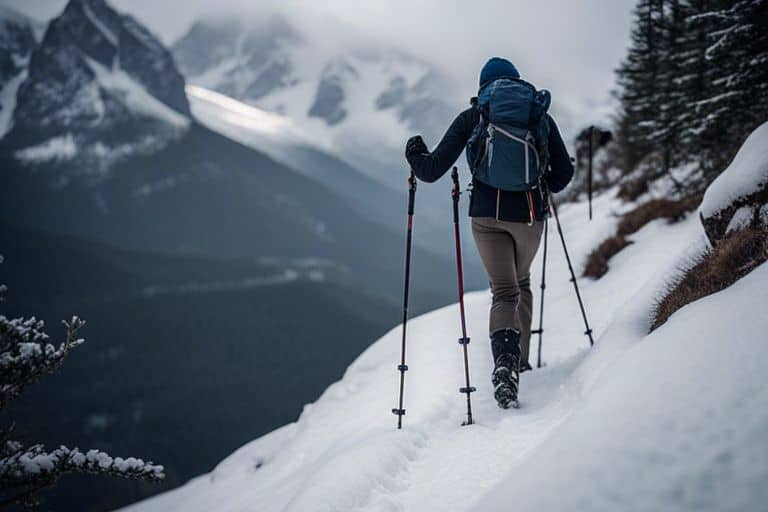
When trekking through snowy and icy terrain, preventing slips and falls becomes a top priority. One of the most effective tools in your arsenal for maintaining stability and safety on winter hikes are trekking poles. From providing extra support on slippery slopes to helping you maintain balance over uneven terrain, trekking poles can make a world of difference in keeping you upright and on course during your winter adventures. In this guide, we will walk you through the proper techniques for using trekking poles to prevent slips and falls while winter hiking, ultimately keeping you safe and secure in challenging conditions.
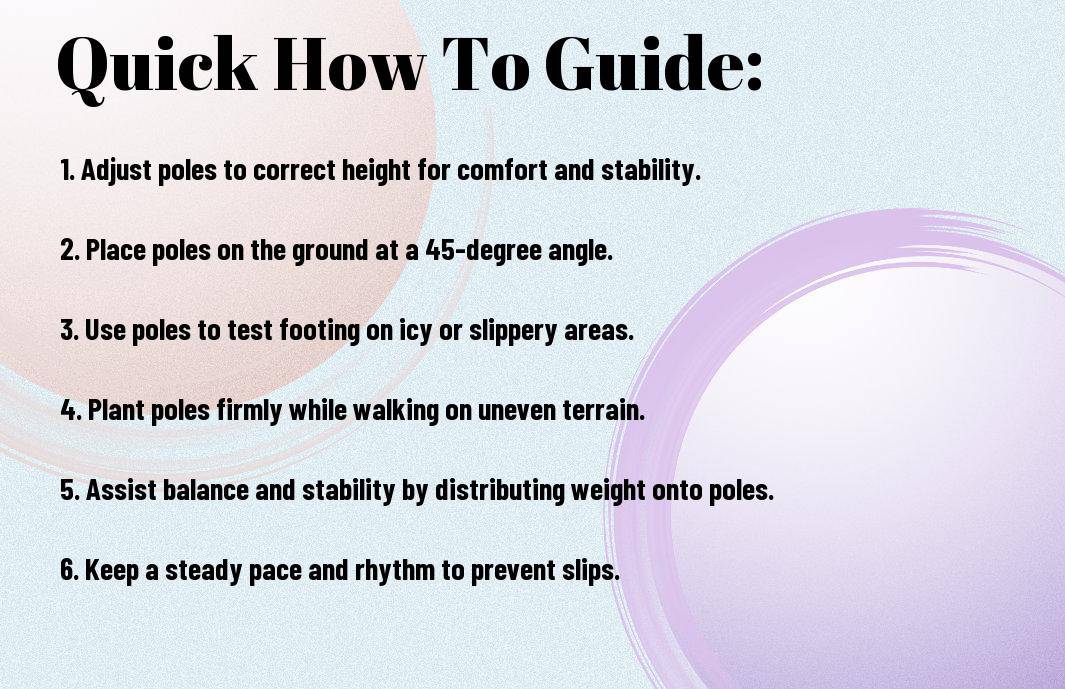
First and foremost, it is important to choose the right trekking poles for your needs. Adjustable poles are ideal for winter hiking, as they allow you to customize the length to match the terrain you are traversing. Additionally, learning the proper placement and movement of your trekking poles will greatly impact their effectiveness in preventing slips and falls. By using your poles to probe the ground and maintain stability, you can significantly reduce the risk of accidents on slippery surfaces. So, let’s get started on mastering the art of using trekking poles to keep you safe and steady during winter hikes.
Key Takeaways:
- Proper technique: Utilizing trekking poles with the correct form can significantly reduce the risk of slips and falls while winter hiking.
- Increased stability: Trekking poles provide an extra point of contact with the ground, improving stability and balance on icy and snowy terrain.
- Assist with weight distribution: By distributing weight more evenly across the body, trekking poles can help prevent falls by reducing the strain on your legs and feet.
- Test the ground: Use trekking poles to test the stability of the ground ahead, ensuring safe footing and avoiding potential hazards.
- Adapt to changing conditions: Adjust the length of your trekking poles to match the terrain and changing conditions, providing optimal support and safety during your winter hike.
Understanding Trekking Poles

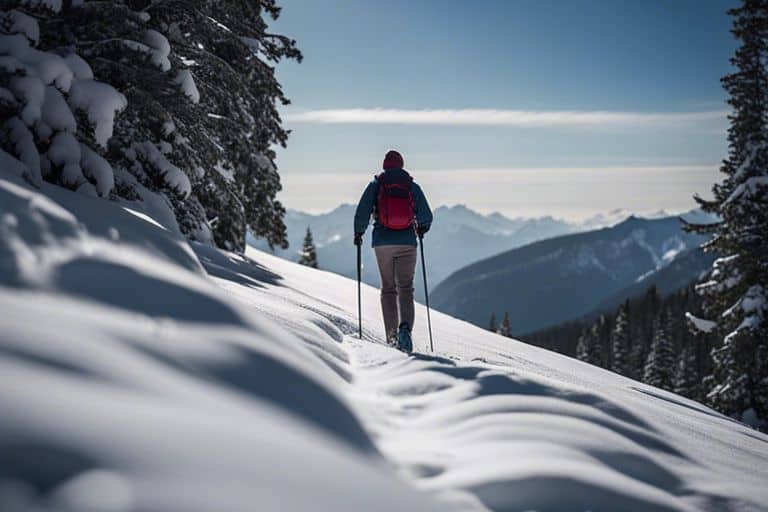
Obviously, trekking poles are an essential tool for hikers, especially during winter when the trails can be icy and slippery. These poles provide stability, support, and balance as you navigate through challenging terrain. Understanding the different aspects of trekking poles will help you make the most out of them during your winter hikes.
The Anatomy of Trekking Poles
When it comes to the anatomy of trekking poles, it’s important to know the basic components. These poles typically consist of three main parts: the grip, the shaft, and the tip. The grip is where you hold the pole and should feel comfortable in your hand. The shaft is usually made of aluminum or carbon fiber, providing durability and strength. The tip is what makes contact with the ground and should have a sturdy, non-slip design to provide traction on various surfaces.
Types of Trekking Poles and Their Uses
There are different types of trekking poles designed for specific purposes. Some poles are adjustable, allowing you to change their length to fit different terrains and activities. Others come with shock absorbers to reduce impact on your joints, while some are designed specifically for snow and ice with wider baskets for better support. Recognizing the different types and their uses will help you choose the right poles for your winter hiking adventures.
| Type of Pole | Best Use |
|---|---|
| Adjustable Poles | Adaptable for various terrains |
| Shock-Absorbing Poles | Reduce impact on joints |
| Snow/Ice Poles | Wider baskets for stability on snow |
| Folding Poles | Compact and easy to carry |
| Ultralight Poles | Minimal weight for long-distance hikes |
Factors to Consider Before Purchasing Trekking Poles
Not all trekking poles are created equal, so it’s important to consider a few key factors before making a purchase. Here are some important things to keep in mind:
- Material and Weight
- Adjustability and Locking Mechanisms
- Grip Comfort and Strap Design
- Pole Tips and Attachments for Different Terrains
Though all of these factors are important, one may be more important to you than the others, depending on the type of terrain you’ll be hiking on and your personal preferences.
Material and Weight
The material and weight of the trekking poles are very important factors to consider. You want poles that are lightweight, yet durable enough to withstand the rugged use that comes with hiking. Look for trekking poles made from aluminum or carbon fiber, which are both strong and lightweight. Remember that lighter poles may be more comfortable for longer hikes, but they may also sacrifice some durability.
Adjustability and Locking Mechanisms
When it comes to adjustability, you want poles that are easily adjustable to your desired height, and that can be secured in place with sturdy locking mechanisms. Telescoping poles are a popular choice as they can be adjusted to different lengths and are securely locked into place with simple mechanisms, providing you with stability and versatility.
Grip Comfort and Strap Design
The grip comfort and strap design of trekking poles are crucial to your overall comfort and performance. Look for poles with ergonomically designed grips that fit comfortably in your hand, and adjustable wrist straps that provide added support and help reduce strain on your wrists and joints. The right grip and strap design can make a significant difference in your level of comfort and control while hiking.
Pole Tips and Attachments for Different Terrains
Before making a purchase, consider the types of terrains you’ll be hiking on, as this will determine the tips and attachments you’ll need for your trekking poles. Some poles come with interchangeable tips and attachments for different terrains, such as rubber tips for rocky or paved surfaces, and baskets for snow or mud. Assume that you’ll be encountering a variety of conditions on your hikes, and look for poles that can adapt to these conditions. The right tips and attachments can provide you with added stability and confidence on the trail.
How-to: Properly Adjusting Your Trekking Poles
Unlike just grabbing a pair of trekking poles and heading out, adjusting your trekking poles to the proper length and grip can make a huge difference in preventing slips and falls while winter hiking. Improperly adjusted poles can lead to discomfort and inefficiency as well as potentially causing accidents. Proper technique is essential for safety, so let’s go over how to properly adjust your trekking poles.
Determining the Correct Pole Length
When it comes to trekking poles, the correct length is crucial for your comfort and safety. To determine the ideal length for your trekking poles, stand up straight with your arms at your sides and elbows bent at a 90-degree angle. The point where the top of the handle meets the ground should be the correct length for you. Remember that the length may need to be adjusted for different terrains, such as uphill or downhill sections, so it’s a good idea to practice adjusting the length before you head out on your hike.
Step-By-Step Adjustment Technique
When it comes to adjusting your trekking poles, there is a right way to do it. Here’s a step-by-step guide to help you properly adjust your trekking poles for a safe and comfortable hiking experience:
| Step 1: Grip Adjustment | Hold the grip and adjust the lower shaft until the pole is the correct length for your current terrain. |
| Step 2: Locking Mechanism | Make sure the locking mechanism is secure and tight to prevent the poles from collapsing unexpectedly. |
Following these steps will ensure that your trekking poles are at the right length and will provide you with the support and stability you need. Always remember to check the adjustment periodically to ensure they remain secure.
For more detailed guidance on using trekking poles, check out How to Use Trekking Poles: The Gas-Brake-Coast Method.
Tips for Using Trekking Poles Effectively
Keep your arms at a 90-degree angle when holding the trekking poles to maximize their support. Adjust the pole length so that when you are holding the grip, your forearm is parallel to the ground. Ensure that your wrists are straight, and do not grip the poles too tightly to avoid strain on your hands. When walking uphill, plant the poles slightly ahead of your body, and when going downhill, place the poles slightly behind your body. Knowing the proper technique will help you maintain balance and stability on challenging terrain.
Basic Pole-Planting Techniques
When using trekking poles, it’s essential to know the basic pole-planting techniques to make the most out of them. As you walk, plant the trekking poles slightly ahead of you to provide support as you move. Ensure that the poles are secure and stable in the snow or ice before you put weight on them. Remember to keep your arms at a 90-degree angle and engage your core for added stability.
The Right Way to Walk with Trekking Poles
As you walk with trekking poles, maintain an upright posture and a steady rhythm. Take care to place the poles in the right position before you put weight on them, and avoid leaning too heavily on them. Keep your arms and wrists in a neutral position to prevent strain, and engage your core muscles for stability. By using the poles in the correct manner, you can reduce the risk of slipping or falling while hiking in winter conditions.
Advanced Techniques for Challenging Terrains
When navigating challenging terrains, it’s important to be familiar with advanced techniques for using trekking poles effectively. Let’s break down some advanced techniques into a helpful table:
| Technique | Description |
| Double Planting | When facing steep inclines or declines, plant both poles at the same time for added support and stability. |
| Cross-Body Planting | When traversing uneven or rocky terrain, cross one pole over to the opposite side of your body for better balance and support. |
| Sidehilling | When walking across a slope, shorten the uphill pole and lengthen the downhill pole to maintain a level posture. |
By mastering these advanced techniques, you can confidently tackle challenging terrains while minimizing the risk of slips and falls. Remember to practice these techniques in varying conditions to become proficient in using trekking poles to their full potential.
Preventing Slips and Falls with Trekking Poles
For those of you who enjoy winter hiking, trekking poles can be a game changer when it comes to preventing slips and falls. The use of trekking poles provides extra stability and support, helping you navigate through icy and snowy terrain with greater ease. By distributing your weight and increasing your points of contact with the ground, trekking poles can significantly reduce the risk of accidents and injuries while hiking in winter conditions.
Maintaining Balance on Icy or Snowy Trails
When trekking through icy or snowy trails, maintaining your balance can be a challenge. This is where trekking poles come in handy. By planting your trekking poles firmly on the ground with each step, you create additional points of contact and support, which help to stabilize your body as you move forward. This increased stability reduces the likelihood of slipping or losing your footing on slippery surfaces.
Navigating Downhill Safely
Downhill sections of winter trails can be particularly treacherous, as the risk of slipping and falling is heightened. With trekking poles, however, you can navigate downhill more safely and confidently. By planting your poles firmly on the ground and using them to distribute your weight as you descend, you can decrease the impact on your knees and ankles, while also providing additional support and stability with each step.
Crossing Streams and Slippery Surfaces
When encountering streams or other slippery surfaces during winter hikes, trekking poles can make a significant difference in your ability to traverse these obstacles without incident. The added support provided by your trekking poles can help you maintain your balance and avoid slipping on wet rocks or icy patches. By carefully placing your poles and testing the stability of the surface ahead of you, you can safely navigate across potentially hazardous areas.
Caring for Your Trekking Poles
Your trekking poles are valuable tools for winter hiking, so it’s important to take proper care of them to ensure their longevity and performance. Proper maintenance and storage can help extend the life of your trekking poles, keeping them in top condition for all your outdoor adventures.
Routine Maintenance Tips
Regular maintenance is crucial for keeping your trekking poles in good working condition. After each use, clean your poles with a mild soap and water to remove dirt, grime, and any salt or chemicals from winter hiking. Check for any signs of wear and tear, including loose or damaged parts, and tighten or replace them as needed. Additionally, check the locking mechanisms and adjust them if they are not holding securely. Grease the joints from time to time to keep them moving smoothly and prevent corrosion.
- Regular cleaning with mild soap and water
- Check for signs of wear and tear
- Regularly inspect and adjust locking mechanisms
- Grease the joints to prevent corrosion
Assume that your poles will experience some wear and tear over time, but proper maintenance can help prolong their lifespan and keep them performing at their best.
Storage and Transportation
When not in use, store your trekking poles in a dry, cool place away from direct sunlight. Consider disassembling them for storage to reduce the risk of damage. Additionally, protect the tips of your poles with rubber caps to prevent damage and to avoid accidentally scratching or puncturing other items during transportation. When transporting your poles, consider using a durable bag or case to keep them safe from bumps and scratches.
When to Replace Pole Parts or Accessories
Even with proper care, there may come a time when certain parts or accessories of your trekking poles need to be replaced. If you notice significant damage or wear and tear on the poles, it may be time to replace them. Likewise, if the grips or straps are showing signs of deterioration, consider replacing them to maintain comfort and safety during your hikes. Remember that worn or damaged equipment can compromise your safety and performance, so it’s important to address any issues promptly.
Conclusion
Drawing together all the information outlined above, it is clear that trekking poles are an essential tool for preventing slips and falls while winter hiking. By using trekking poles, you can increase your stability and balance on snowy and icy terrain, reducing the risk of injury. Remember to adjust the length of your poles to ensure they provide the maximum support and use the wrist straps to secure them to your hands effectively. Furthermore, by utilizing the correct techniques for using trekking poles, you can confidently navigate challenging winter trails with ease.
As you continue to explore the great outdoors during the winter months, make sure to incorporate the use of trekking poles into your hiking routine. By staying mindful of your posture and stride, and making a conscious effort to distribute your weight evenly through the poles, you can greatly minimize the risk of slips and falls. With the right equipment and proper technique, you can enjoy the stunning winter landscapes without the fear of losing your footing. Stay safe and happy hiking!
FAQ
Q: Why are trekking poles necessary for winter hiking?
A: Trekking poles provide stability and support on icy and slippery terrain, reducing the risk of slips and falls during winter hiking.
Q: How should I adjust my trekking poles for winter hiking?
A: Adjust your trekking poles to be slightly shorter than normal to account for the thicker snow and ice. Make sure they are securely locked in place before use.
Q: What is the proper technique for using trekking poles in snowy conditions?
A: When walking uphill, plant the poles slightly ahead and to the side for better stability. When walking downhill, plant the poles slightly behind to support your weight and maintain balance.
Q: Should I use trekking poles with baskets for winter hiking?
A: Yes, attach baskets to your trekking poles to prevent them from sinking too deeply into the snow, providing better support and stability.
Q: Can trekking poles prevent injuries while winter hiking?
A: Yes, trekking poles can reduce the strain on your legs and back, as well as help prevent injuries from slips and falls by providing added stability and support on icy and snowy trails.
0 Comments