Are you tired of feeling unsteady and at risk of falling when hiking on slippery winter terrain? Don’t let icy or snowy conditions hold you back from enjoying the great outdoors. Improving your balance and stability is crucial for staying safe and confident while navigating treacherous winter trails. In this guide, we will walk you through some essential tips and techniques to help you maintain your footing and stay upright while trekking through winter landscapes. Whether you’re a novice hiker or a seasoned outdoor enthusiast, these strategies will help you tackle even the most challenging winter conditions with ease. So, lace up your boots and get ready to conquer the trails with newfound confidence!
Key Takeaways:
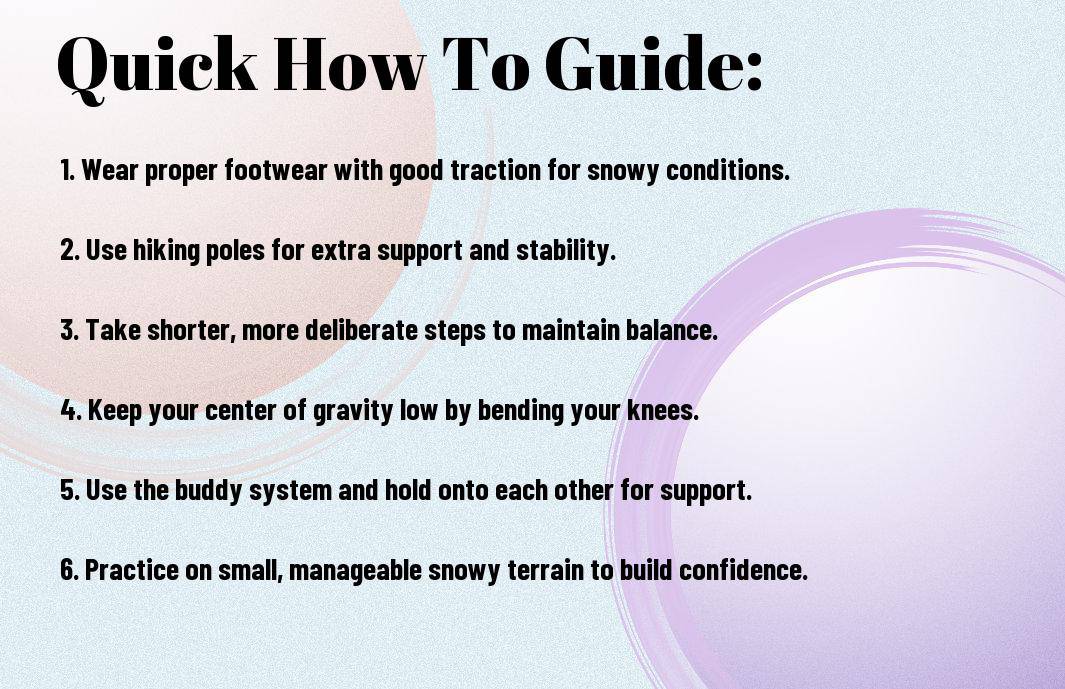
- Choose the right footwear: Investing in high-quality, waterproof hiking boots with good traction can greatly improve balance and stability on slippery winter terrain.
- Use hiking poles: Hiking poles can provide extra support and stability, helping to prevent slips and falls on icy or snowy surfaces.
- Practice proper walking technique: Taking shorter, more controlled steps and keeping your center of gravity low can reduces the risk of slipping on slippery surfaces.
- Stay aware of your surroundings: Always be mindful of potential hazards, such as hidden ice patches or unstable snow, and adjust your footing accordingly.
- Stay fit and flexible: Regular strength and flexibility training, particularly in the lower body, can help improve overall balance and stability when hiking in winter conditions.
Essential Equipment for Winter Hiking
Obviously, the key to navigating slippery terrain during winter hiking is having the right equipment. Here are some essential items you should consider carrying with you on your winter hikes:
Footwear: Features to Look for in Winter Boots
When it comes to winter hiking, having the right footwear is crucial. Look for winter boots with features like insulation, waterproofing, and a high ankle to provide maximum warmth and support. Insulation helps to keep your feet warm, while waterproofing keeps them dry in snowy and wet conditions. A high ankle provides stability and helps to prevent ankle injuries on uneven and slippery terrain. Additionally, a lugged sole will provide excellent traction on icy surfaces, helping to prevent slips and falls.
Traction Devices: Advantages of Crampons and Microspikes
Using traction devices such as crampons and microspikes can dramatically improve your stability and grip on icy and slippery terrain. Crampons are designed for more extreme conditions and provide aggressive traction for steep and icy terrain. On the other hand, microspikes are lighter and more versatile, providing excellent grip on less extreme terrain. Both options can be a game-changer when it comes to navigating winter hiking conditions safely.
Support Gear: Utilizing Poles and Staffs
When hiking on slippery terrain during the winter, using poles or staffs can provide additional support and balance on uneven and icy surfaces. They can help to take some of the weight off your legs, reducing the risk of fatigue and improving overall stability. Poles and staffs also provide an extra point of contact with the ground, reducing the likelihood of slips and falls.
How-to: Preparing Before the Hike
Unlike hiking in dry conditions, winter hikes come with their own set of challenges, particularly when it comes to maintaining balance and stability on slippery terrain. To prepare for your winter hiking adventure, there are several important steps you can take to improve your balance and minimize the risk of slipping and falling. By incorporating specific exercises into your fitness routine and paying attention to stretching, you can significantly enhance your stability and decrease the likelihood of injury. Here’s how to get ready for your winter hike.
Fitness Tips: Exercises to Improve Balance
Before hitting the trails, it’s essential to incorporate exercises into your fitness routine that specifically target balance and stability. By strengthening the muscles in your legs, core, and ankles, you can significantly improve your ability to navigate slippery terrain. Try incorporating exercises such as single-leg squats, side planks, and lateral lunges into your workouts to enhance your balance and stability. These exercises help to build strength in the muscles you use most while hiking, helping you feel more confident and secure on uneven, slippery ground. Additionally, practicing yoga can improve your overall balance and flexibility, making it easier to adapt to challenging hiking conditions.
After incorporating these exercises into your regular fitness routine, you’ll notice a significant improvement in your ability to navigate slippery terrain with greater ease and confidence. Strengthening your muscles and honing your balance will help you stay steady on your feet, reducing the risk of slips and falls during winter hikes.
The Role of Stretching in Injury Prevention
Another critical component of preparing for a winter hike is paying attention to stretching. Stretching your muscles before and after physical activity can help prevent injury and enhance your overall stability. By focusing on stretching your calves, quadriceps, and hamstrings before your hike, you can improve your range of motion and reduce muscle tightness that may lead to instability on the trail. Additionally, incorporating yoga or pilates into your routine can help improve flexibility, making it easier to adapt to the demanding terrain.
By diligently stretching and incorporating flexibility exercises, you can reduce the risk of muscle strain and injury while improving your overall stability. This, in turn, will enhance your ability to maintain balance and stability on slippery terrain during your winter hike.
Technique Tips: How to Hike on Slippery Slopes
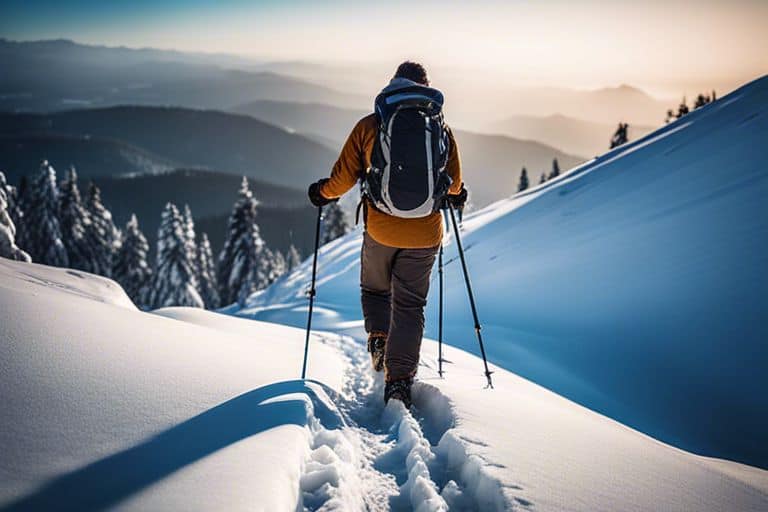
Not all terrain is created equal, and when you encounter steep, icy slopes during your winter hike, it’s essential to adjust your hiking technique to ensure stability and safety. Here are some tips to help you navigate slippery slopes with confidence:
- Keep your body weight centered and evenly distributed over your feet to maintain balance.
- Shorten your stride and take smaller steps to improve traction and control.
- Use your hiking poles to provide additional support and stability as you ascend and descend.
- Engage your core muscles to maintain a strong, stable posture as you navigate challenging terrain.
The key to hiking on slippery slopes is to move deliberately and with intention, making small adjustments as needed to maintain your balance and control.
Body Positioning and Center of Gravity Adjustment
When tackling slippery terrain during winter hikes, it’s crucial to pay attention to your body positioning and center of gravity. Keeping your body weight centered and slightly forward can help you maintain stability and prevent slipping. Additionally, engaging your core muscles and keeping your posture upright will aid in distributing your weight evenly and providing a strong, balanced foundation for navigating icy slopes.
Step Patterns and Pace Regulation on Ice and Snow
One of the most important aspects of hiking on ice and snow is adjusting your step patterns and regulating your pace. Taking shorter, controlled steps will allow for better traction and balance, especially on steep, slippery inclines. Furthermore, regulating your pace by being deliberate with your movements and maintaining a consistent rhythm can help prevent sudden slips or falls. Be mindful of your surroundings and adjust your steps according to the icy conditions to ensure a safe and enjoyable winter hiking experience.
Factors Affecting Stability on Uneven Terrain
Despite your best efforts, there are several factors that can affect your stability when hiking on uneven terrain during the winter. These include:
- Footwear: The type of shoes or boots you wear can significantly impact your stability on slippery terrain.
- Balance: Your core strength and balance play a crucial role in keeping you steady on uneven surfaces.
- Weight distribution: The way you distribute your weight can either help or hinder your stability on uneven terrain.
Perceiving and understanding these factors can help you better prepare for maintaining stability during your winter hiking adventures.
Recognizing and Negotiating Different Types of Snow and Ice
When it comes to navigating snowy and icy terrain during winter hikes, it’s essential to understand the different types of snow and ice you may encounter. Some key factors to consider include:
- Types of snow: From powdery snow to packed snow, each type requires a different approach for maintaining stability.
- Ice formations: Whether it’s black ice, glare ice, or icicles, recognizing and navigating these different formations can greatly impact your stability and safety.
Knowing how to handle these various types of snow and ice will help you navigate slippery terrain more effectively. Importantly, The information should be broken down into a
with 2 columns and 5 rows, with a guide to recognizing and negotiating different types of snow and ice.
Weather Conditions and Their Impact on Trail Safety
Weather conditions can have a significant impact on the safety of your winter hikes. Extreme winds, heavy snowfall, and rapidly changing temperatures can all pose dangerous situations. On the other hand, clear skies and calm weather can create a more positive hiking experience. It’s important to stay informed about the weather forecast and plan your trip accordingly to ensure a safe and enjoyable outdoor adventure.
How to Respond to Slips and Falls
Your ability to respond to slips and falls is crucial for your safety while hiking on slippery terrain in winter. It’s important to know how to react in case you lose your balance on icy or snow-covered trails.
Proactive Steps: How to Fall Safely
If you feel yourself starting to slip, your first instinct might be to reach out and try to grab onto something to stop your fall. However, resist the urge to reach out as this can lead to injury, especially if you end up falling on your outstretched arm. Instead, try to tuck and roll as you fall to help disperse the impact and reduce the risk of injuring yourself. It’s also a good idea to try and relax your body as much as possible to reduce the chances of muscle strains or other injuries.
Post-Fall Actions: Regaining Composure and Checking for Injuries
After a fall, it’s important to take a moment to regain your composure and assess any potential injuries. Check yourself for any pain or discomfort and pay special attention to areas such as your head, neck, and back. If you can, try to gradually move your extremities to ensure everything is functioning as it should. It’s also a good idea to take a little time to rest and allow your body to recover before continuing your hike.
Advanced Tips for Experienced Hikers
After mastering the basic techniques for maintaining balance and stability on slippery terrain, experienced hikers may want to take their skills to the next level. Here are some advanced tips to help you navigate challenging winter hiking conditions:
- Utilize hiking poles: Hiking poles can provide additional support and stability, especially when navigating steep or icy terrain. Consider using poles with wide baskets to help prevent them from sinking into snow or ice.
- Adjust your gear: Consider investing in traction devices for your boots, such as microspikes or crampons, to provide extra grip on icy surfaces. Additionally, wearing gaiters can help keep snow out of your boots, preventing potential slips and falls.
- Stay informed about avalanche risks: If you plan to venture into backcountry areas with steep slopes, it’s crucial to educate yourself about avalanche safety. Understanding how to assess avalanche risks and carry the necessary gear, such as an avalanche beacon, shovel, and probe, is essential for your safety.
Navigating Steep or Icy Ascents and Descents
When encountering steep or icy terrain during winter hiking, it’s essential to approach these situations with caution. As you ascend, focus on maintaining a steady pace and utilizing your hiking poles for added support. Keep your center of gravity low and use small, deliberate steps to prevent slipping. When descending, shift your weight slightly backward and rely on your traction devices to provide secure footing. Remember to always assess the stability of the snow or ice before placing your full weight on it.
Off-Trail Hiking: Assessing and Mitigating Risks
Off-trail hiking in winter conditions can offer unique challenges, including potential hazards such as hidden crevasses or unstable snowpack. Before venturing off-trail, thoroughly assess the risks and plan accordingly. Make use of topographic maps, GPS devices, and other navigational tools to help you identify potential obstacles and select the safest route. Consider taking a mountaineering or avalanche safety course to enhance your skills in assessing and mitigating risks associated with off-trail winter hiking.
Maintaining Balance and Stability in Emergency Situations
For the serious winter hiker, knowing how to maintain your balance and stability in emergency situations is crucial. While prevention is always the best strategy, it’s important to be prepared for the unexpected. Here are some tips to help you stay safe and stable in challenging conditions.
First and foremost, it’s essential to prioritize balance and stability in your overall fitness routine. Strengthening your core, improving your proprioception, and practicing balance exercises can all contribute to better stability on the trail. Consider incorporating exercises like yoga, Pilates, and single-leg squats into your workouts to improve your balance. Additionally, practicing dynamic movements on stable ground can help prepare your body for the unexpected challenges of slippery terrain. For more tips on tuning up your balance for the trail, check out Tune Up Your Balance for the Trail.
Dealing with Disorientation in Whiteout Conditions
One of the most dangerous situations you may encounter in winter hiking is disorientation in whiteout conditions. Blowing snow, overcast skies, and limited visibility can make it difficult to maintain your balance and stay on course. In these situations, it’s crucial to remain calm and focused. If you lose your bearings, stop and assess your surroundings. Utilize GPS, compass, or map and compass skills to regain your direction. It’s also essential to communicate your plans with others and have a designated meeting point in case you become separated. Furthermore, maintaining a sense of spatial awareness and utilizing natural markers can help you navigate through whiteout conditions. Remember that in these situations, your safety should always be the top priority.
Survival Strategies if Stranded or Lost
If you find yourself stranded or lost in the wilderness during winter hiking, it’s important to stay calm and assess your resources. Remember the “Rule of Three”: you can survive for approximately three hours without shelter, three days without water, and three weeks without food. Locate shelter from the elements, such as a rock overhang or fallen tree, and insulate yourself from the ground with leaves or branches. Signal for help using a whistle or mirror, and if necessary, use a signaling device or build a fire. Remember to conserve energy and stay hydrated. Stay positive, and remember that you have the skills and mindset to overcome this challenge. Search and rescue teams are trained to find lost hikers, so if you’ve left an itinerary with a friend or family member, they will know when and where to start looking for you.
Conclusion
Drawing together the various techniques and strategies discussed, you can significantly improve your balance and stability on slippery terrain during winter hiking. By choosing appropriate footwear, utilizing trekking poles, and maintaining a wide stance, you can minimize the risk of slipping and falling. Additionally, practicing mindfulness and paying close attention to the texture and condition of the trail will help you navigate safely through challenging winter terrain.
Remember that mastering these techniques takes time and practice. It’s important to take things slow and gradually build up your confidence and skills. Ultimately, with the right tools and mindset, you can enjoy the beauty of winter hiking without sacrificing your balance and stability on slippery surfaces.
FAQ – How to Improve Balance and Stability on Slippery Terrain during Winter Hiking
Q: What are the main challenges of hiking on slippery terrain during winter?
A: The main challenges of hiking on slippery terrain during winter include reduced traction, increased risk of slips and falls, and the potential for injury due to unstable footing.
Q: How can I improve my balance and stability on slippery terrain?
A: Improving balance and stability on slippery terrain can be achieved by wearing proper footwear with good traction, using trekking poles for added support, and engaging your core muscles to maintain balance.
Q: What type of footwear is best for hiking on slippery terrain in winter?
A: Hiking boots with aggressive tread and a firm grip are best for hiking on slippery terrain in winter. Look for boots with deep lugs and a sturdy outsole to provide maximum traction.
Q: Are there any specific techniques to help improve balance and stability while hiking in winter?
A: Yes, some techniques to improve balance and stability while hiking in winter include taking shorter steps, spreading your weight evenly, and keeping your body centered over your feet. Additionally, maintaining a slow and steady pace can help prevent slips and falls.
Q: What other precautions should I take when hiking on slippery terrain in winter?
A: In addition to wearing proper footwear and using hiking poles, it’s important to be aware of your surroundings, avoid icy patches when possible, and always have a backup plan in case of an emergency. It’s also advisable to let someone know your hiking plans and expected return time.

0 Comments