
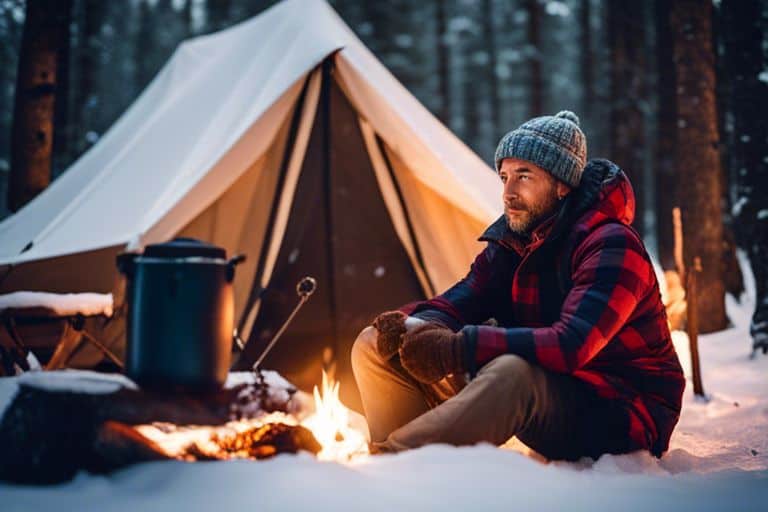
Embracing the challenge of camping in heavy snow can be exhilarating, but it also requires careful preparation to ensure your safety and comfort. When you’re facing frigid temperatures and relentless snowfall, it’s crucial that you take the necessary steps to stay warm and dry throughout your camping adventure. With the right knowledge and equipment, you can conquer the elements and make the most of your winter camping experience.
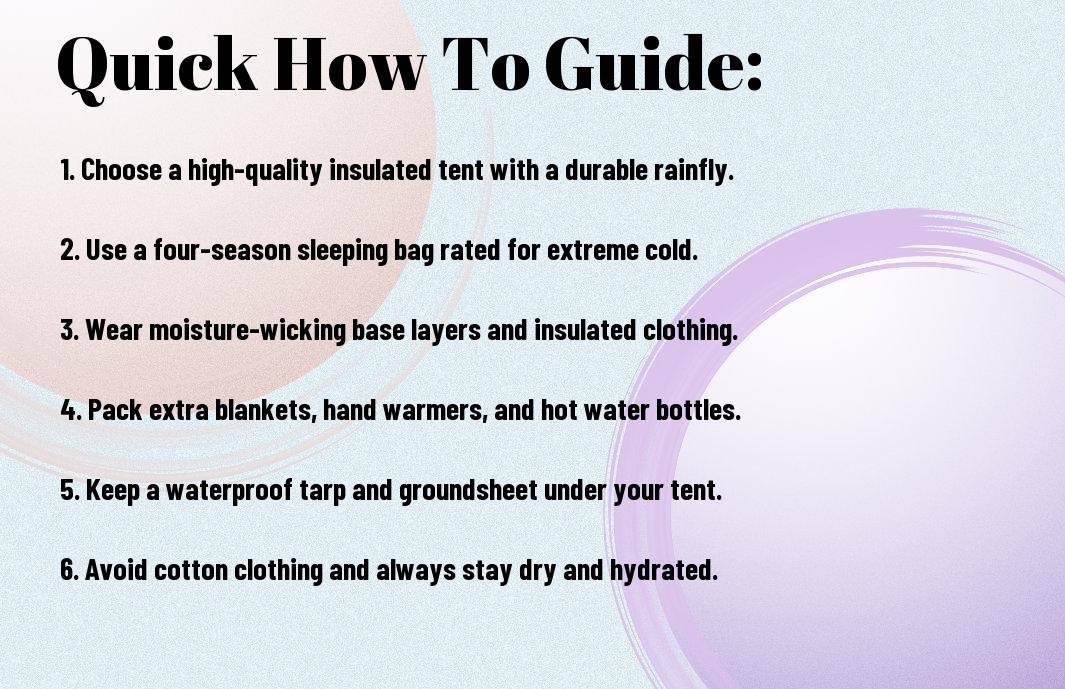
The key to staying warm and dry in heavy snow is strategic planning and smart packing. Before venturing into the snowy wilderness, it’s essential to invest in high-quality cold-weather gear such as a sturdy, insulated tent, a sleeping bag rated for sub-zero temperatures, and waterproof outer layers. Additionally, you’ll want to pack plenty of extra layers, wool socks, and waterproof boots to keep your extremities warm and protected. By prioritizing warmth and dryness in your gear selection, you can enjoy your camping trip with peace of mind, knowing that you’re prepared for whatever nature throws your way.
Key Takeaways:
- Layer up: Wear multiple layers of clothing to trap body heat and stay warm in heavy snow conditions.
- Invest in quality gear: Quality, waterproof and insulated gear such as jackets, gloves, and boots is essential for staying dry and warm in heavy snow.
- Choose a good campsite: Look for a location that offers natural windbreaks, such as dense trees or rock formations, to protect your campsite from heavy snowfall and wind.
- Use a well-insulated sleeping system: Choose a sleeping bag and pad with a high R-value to insulate yourself from the cold ground and stay warm during the night.
- Stay dry: Avoid getting wet at all costs, as wet clothing and gear can quickly lead to hypothermia in heavy snow conditions.
Preparation Before the Trip
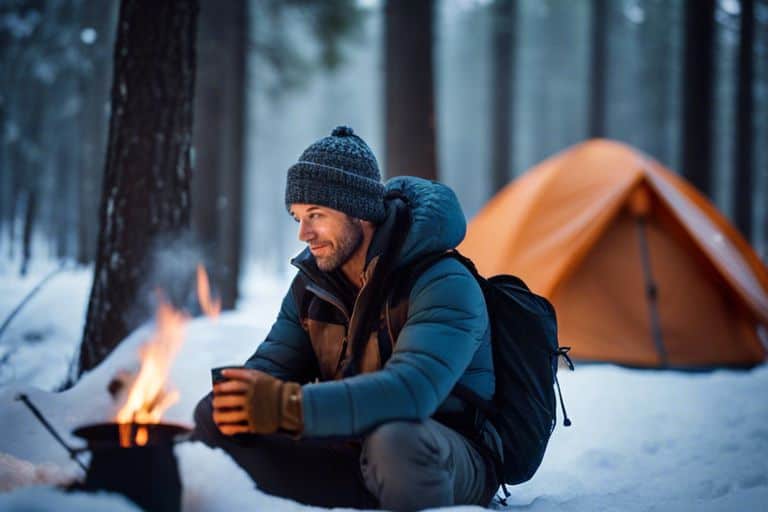
One of the most important aspects of preparing for camping in heavy snow is ensuring you have the right gear and selecting a suitable campsite. Proper preparation can make all the difference in staying warm and dry during your winter camping experience. Here are some tips to help you prepare before your trip.
Tips for Choosing the Right Camping Gear
When it comes to camping in heavy snow, having the right gear is crucial. Your sleeping bag should be rated for cold temperatures and be able to withstand snow and moisture. A four-season tent is a must, providing better insulation and protection from the elements. Consider investing in a quality pair of snowshoes or crampons to navigate through the snow, and make sure you have insulated clothing that will keep you warm and dry, such as waterproof jackets, pants, and boots. Additionally, bring along a reliable camping stove to prepare hot meals and drinks, and don’t forget to pack extra fuel for it. The key is to prioritize gear that will keep you warm and dry in harsh winter conditions.
- Sleeping bag rated for cold temperatures
- Four-season tent for better insulation and protection
- Snowshoes or crampons for navigating in heavy snow
- Insulated clothing such as waterproof jackets, pants, and boots
- Camping stove for preparing hot meals and drinks
The right camping gear can make all the difference in keeping you warm and dry during your winter camping trip. Remember to check the condition of your gear before leaving, and make any necessary repairs or replacements to ensure everything is in good working order.
How-To Select Proper Campsite
When camping in heavy snow, choosing the right campsite is essential for your safety and comfort. Look for a spot that is protected from strong winds, such as the leeward side of a hill or a stand of trees. This will help reduce heat loss and prevent your tent from being battered by the wind. Additionally, make sure the site is well-drained to avoid melting snow accumulating around your tent. You should also consider the proximity to water sources for easy access to water, but be cautious of areas prone to avalanches or falling snow. The last thing you want is to wake up to a dangerous situation.
Before setting up camp, be sure to pack down the snow where you plan to pitch your tent and create a stable platform. This will help prevent your tent from sinking or shifting during the night. The proper campsite selection is crucial to ensure your safety and enjoyment during your winter camping adventure.
Setting Up Your Camp in Snow
Despite the challenges, camping in heavy snow can be a rewarding experience as long as you are well-prepared. Setting up your camp in the snow requires some extra steps to ensure that you stay warm and dry throughout your trip.
How-to Build Snow Shelters
When camping in heavy snow, building a snow shelter can provide essential protection from the elements. One option for creating a snow shelter is to dig out a snow cave. Start by digging into a snowbank and creating a small entrance to crawl into. Then, hollow out the inside to create a space large enough to sleep in. Another option is to build a quinzhee, which involves piling up a mound of snow and then hollowing it out to create a shelter. Whichever method you choose, make sure the walls are thick enough to insulate against the cold, and the roof is sturdy enough to support the weight of the snow.
Tips for Effective Tent Pitching in Snow
When pitching your tent in the snow, there are several tips to keep in mind to ensure a stable and warm shelter. First, choose a level site that isn’t prone to avalanche risk. Clear the area of any snow to create a flat base for your tent. Once you’ve laid the tent out, pack snow around the base to create an insulating barrier. Additionally, use snow stakes or snow anchors to secure your tent in place, as regular stakes may not hold in the snow. When setting up your tent, be sure to pull the fabric taut to prevent snow from accumulating on top. The more you can do to create a barrier between the snow and your tent, the warmer and drier you’ll stay throughout your camping trip. The key is to be meticulous and thorough in your preparations.
Staying Dry – Tips and Techniques
Keep wet and snowy conditions outside of your tent by using a ground tarp or footprint to create a barrier. It is important to also make sure your rainfly is properly set up and sealed to prevent any moisture from seeping in. Additionally, consider using a tent with a vestibule to create a buffer zone for leaving wet gear and to keep snow out of your sleeping area.
- Use a ground tarp or footprint
- Properly set up and seal the rainfly
- Use a tent with a vestibule
Knowing how to keep moisture out of your camping setup is crucial in staying warm and comfortable during heavy snow.
Managing Snow and Moisture Inside the Tent
When camping in heavy snow, it’s important to manage any moisture that might accumulate inside your tent. One way to do this is by keeping separate areas for wet and dry gear inside your tent. Make use of dry bags or stuff sacks to keep your clothing and gear dry. Additionally, regularly shake off and/or remove any snow from your gear before bringing it inside your tent to minimize moisture buildup.
Clothing Strategies to Avoid Perspiration
When camping in heavy snow, it’s crucial to avoid perspiration as it can lead to damp clothing and, ultimately, feeling chilled. To do this, layer your clothing appropriately for the weather and activity level, and remove layers or adjust ventilation as needed to prevent overheating and sweating. Additionally, choose moisture-wicking materials for your clothing to help keep you dry and comfortable.
Staying Dry – Tips and Techniques
Keep wet and snowy conditions outside of your tent by using a ground tarp or footprint to create a barrier. It is important to also make sure your rainfly is properly set up and sealed to prevent any moisture from seeping in. Additionally, consider using a tent with a vestibule to create a buffer zone for leaving wet gear and to keep snow out of your sleeping area.
- Use a ground tarp or footprint
- Properly set up and seal the rainfly
- Use a tent with a vestibule
Knowing how to keep moisture out of your camping setup is crucial in staying warm and comfortable during heavy snow.
Keeping Warm – Essential How-To Guide
Unlike camping in more moderate temperatures, keeping warm in heavy snow requires a strategic approach. Whether you’re an experienced cold weather camper or just starting out, staying warm and dry in the snow is crucial for your safety and comfort. In this guide, we’ll cover essential tips and techniques to help you stay warm during your winter camping adventure.
Heating Techniques without Electronics
When camping in heavy snow, relying on electronic heating devices may not always be feasible. However, there are several effective non-electronic heating techniques to keep you warm. One popular method is using a portable, high-quality camping stove to boil water for hot drinks and meals. The heat from the stove will also help warm the surrounding area inside your shelter. Another option is to bring along a supply of reliable hand warmers or heat packs to tuck into your clothing or sleeping bag for extra warmth. These non-electronic heating methods can be a lifeline in cold weather camping situations.
Choosing and Using Heat Sources Safely
When it comes to choosing heat sources for camping in heavy snow, safety should be your top priority. If you plan to use a camping stove, make sure it’s designed for cold weather use and always follow the manufacturer’s instructions for safe operation. Additionally, be cautious with open flame devices such as candles, as they can pose a fire hazard in enclosed shelters. It’s important to properly ventilate your shelter when using any type of heat source to avoid the risk of carbon monoxide poisoning. If you’re using a portable heater, be sure to place it on a stable surface away from flammable materials and always monitor it closely. By taking the necessary precautions, you can enjoy the warmth of a heat source without compromising your safety.
Nutrition and Hydration in Cold Weather
Now that you have learned how to stay warm and dry in heavy snow while camping, it’s time to talk about the importance of nutrition and hydration in cold weather. Proper nutrition and hydration are crucial for maintaining your energy levels and staying healthy during outdoor activities in the snow.
Caloric Requirements and Meal Planning
When camping in heavy snow, your body requires more calories to maintain its core temperature and keep you warm. You burn more energy in cold weather, so it’s essential to plan your meals to meet your increased caloric needs. Ensure that your meals are high in carbohydrates, proteins, and healthy fats to provide you with the necessary energy and keep you warm. Pack foods that are easy to prepare and high in calories, such as nuts, dried fruits, energy bars, and instant soups. Don’t forget to bring an ample supply of hot beverages like cocoa, tea, or coffee to help keep you warm and hydrated.
Preventing Dehydration in Cold Climates
Dehydration is a common issue in cold climates, and it can be just as dangerous as in warmer environments. The cold air can be very dry, and you may not realize how much fluid you are losing through respiration and sweating. To prevent dehydration, be sure to drink plenty of fluids throughout the day. Pack a thermos with warm liquids, as cold fluids can lower your core body temperature. It’s also essential to eat foods with high water content, such as fruits and vegetables. Finally, avoid alcohol and caffeine, as they can dehydrate your body. Staying well-hydrated will help regulate your body temperature, maintain energy levels, and keep you safe while camping in heavy snow.
Navigating the Snow – Movement and Safety
To stay warm and dry when camping in heavy snow, you must be able to navigate the snowy terrain safely. You’ll need to consider different methods of movement and factors to assess for avalanche safety.
Snowshoeing and Walking in Deep Snow
When camping in heavy snow, snowshoeing and walking in deep snow will likely be your main modes of transportation. Snowshoes distribute your weight and prevent you from sinking deep into the snow, making it easier to move around. Without snowshoes, walking in deep snow can be exhausting and potentially dangerous. Make sure your snowshoes are properly fitted and in good condition before setting out on your adventure.
Factors to Assess for Avalanche Safety
When camping in heavy snow, avalanche safety is of utmost importance. Always check the avalanche forecast for the area you’ll be camping in and be aware of the signs of potential avalanche danger. Factors to assess for avalanche safety include the slope angle, recent weather conditions, and the type of snowpack. It’s crucial to have the proper knowledge and training to assess these factors accurately. Always carry avalanche safety equipment, such as a beacon, shovel, and probe, and know how to use them effectively in case of an emergency. Awareness and caution are key when it comes to avoiding avalanche danger. Knowing how to navigate and assess avalanche risk can save your life in a critical situation.
Emergency Situations and First Aid
After learning the basics of winter camping and how to stay warm and dry in heavy snow, you also need to be prepared for emergency situations. It’s crucial to know how to identify and treat common cold weather-related injuries such as hypothermia and frostbite. To learn more about winter camping and backpacking basics, you can refer to Winter Camping and Backpacking Basics.
Hypothermia and Frostbite – Prevention and Treatment
When camping in heavy snow, hypothermia and frostbite are two of the most significant risks you’ll face. To prevent hypothermia, it’s crucial to keep your body dry and warm at all times. Dress in layers and avoid sweating by regulating your body temperature. If you suspect someone is suffering from hypothermia, it’s crucial to get them inside a warm shelter, remove any wet clothing, and warm them up with dry clothes, blankets, and hot drinks. Likewise, if you notice signs of frostbite such as numbness or discoloration of the skin, it’s important to warm the affected area gradually and seek medical attention if necessary.
Creating an Emergency Plan
Every winter camping trip should include a well-thought-out emergency plan. This plan should include details of how to seek help in case of an emergency, emergency contact information, and a list of essential first-aid supplies. Make sure to communicate your plan with the members of your camping party and ensure that everyone knows what to do in an emergency situation. Being prepared can make all the difference in ensuring a safe and enjoyable camping experience.
Final Words on Staying Safe and Enjoying Winter Camping
Remember that your safety should always come first when camping in heavy snow. Although winter camping can be a thrilling adventure, it’s important to prioritize your well-being and take the necessary precautions to stay safe. By staying informed about hypothermia and frostbite prevention and treatment, creating an emergency plan, and being prepared for any situation, you can ensure a successful and enjoyable winter camping experience.
FAQ
Q: What are some essential items to stay warm and dry while camping in heavy snow?
A: Essential items include a four-season tent, a warm sleeping bag, insulated clothing, a high-quality waterproof jacket and pants, waterproof footwear, and multiple layers of clothing to trap body heat.
Q: How can I properly insulate my tent to stay warm in heavy snow?
A: To properly insulate your tent, consider using a thermal insulating pad or a foam pad underneath your sleeping bag to prevent heat loss to the ground. Additionally, you can hang a thermal blanket inside the tent to reflect body heat back to you.
Q: What are some tips for staying dry while camping in heavy snow?
A: To stay dry in heavy snow, always bring waterproof gear such as rain covers for your backpack, a waterproof pack cover, and waterproof stuff sacks for your gear. It’s also important to avoid overheating by regulating your body temperature through layering and staying dry from sweat. And finally, always pitch your tent on high ground to prevent water from pooling around your camping area.
0 Comments