
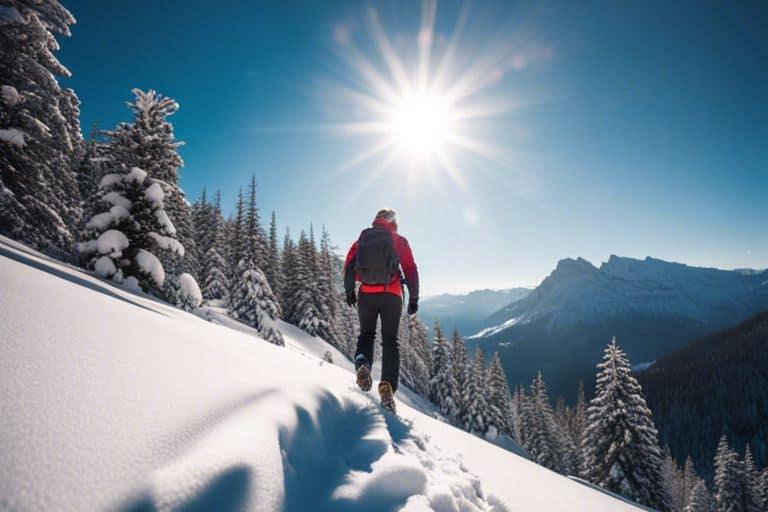
Eyes are incredibly sensitive to glare, especially when it comes to the bright reflection of the sun off the snow. Whether you’re an avid hiker or just enjoy a leisurely stroll in the snow, it’s important to take steps to protect your eyes from potential damage. In this guide, we’ll discuss the best ways to shield your eyes from snow glare while enjoying winter hikes.
When it comes to winter hikes, the last thing you want is to be temporarily blinded by the intense glare of the sun reflecting off the snow. Not only can this make it difficult to see your surroundings, but it can also cause long-term damage to your eyes. By taking the proper precautions and using the right gear, you can ensure that your eyes are well-protected during your winter adventures.
Key Takeaways:
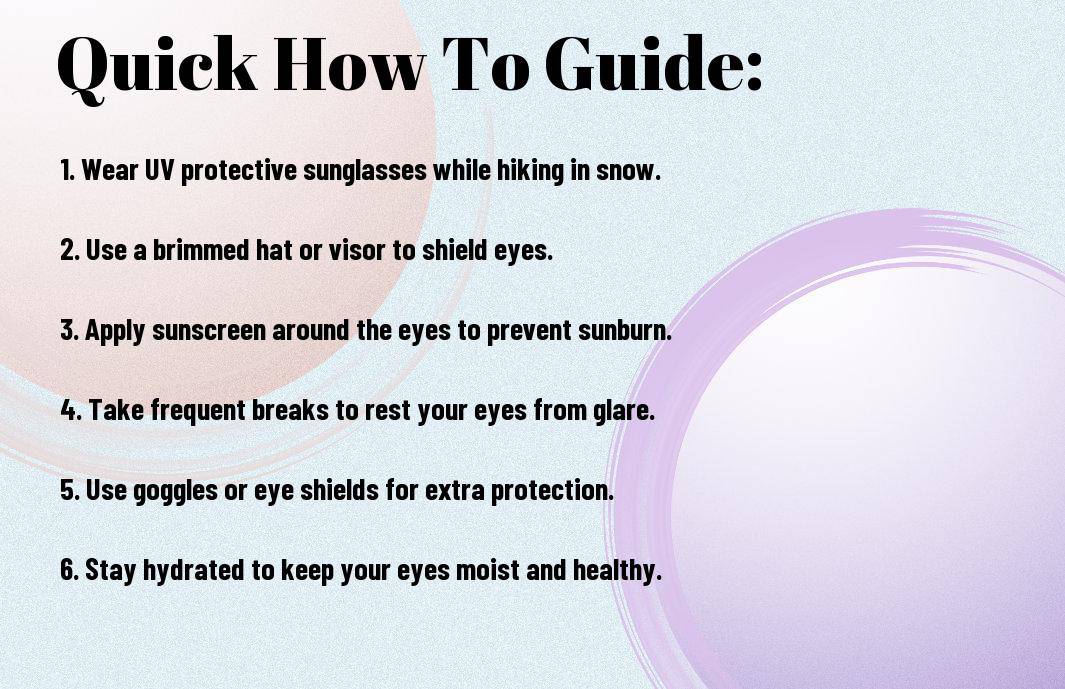
- Wear polarized sunglasses: Invest in a good pair of polarized sunglasses to reduce glare and protect your eyes from harmful UV rays.
- Use goggles or face shields: In extreme conditions, consider wearing goggles or a face shield to provide additional protection from wind and snow glare.
- Take regular breaks: Give your eyes a much-needed rest by taking regular breaks and closing them for a few minutes to prevent strain.
- Stay hydrated: Drinking plenty of water can help keep your eyes moist and reduce the risk of dry eyes on winter hikes.
- Be mindful of altitude: Higher altitudes can increase the intensity of UV radiation, so be extra cautious and take necessary precautions to protect your eyes.
Factors Contributing to Snow Glare
Any hiker knows that snow glare can be a serious issue during winter hikes. Several factors contribute to the intensity of the glare that can impact your eyesight. By understanding these factors, you can better protect your eyes and enjoy your outdoor adventures without discomfort.
- Sun Elevation and Reflection: The angle at which the sun hits the snow plays a significant role in the presence of snow glare. When the sun is lower on the horizon, the glare tends to be more intense due to the direct reflection off the snow surface.
- Snow Texture and Environmental Conditions: The texture of the snow, as well as the environmental conditions such as cloud cover and wind, can impact the glare you experience. Fresh, untouched snow tends to reflect more light, while melting or icy snow can create a more intense glare.
- Time of Day and Angle of Exposure: The time of day and the angle at which you are exposed to the sun’s rays can determine the severity of snow glare. Midday tends to be the peak time for intense glare as the sun is directly overhead.
Knowing about these factors will help you make informed decisions when planning your winter hike and taking precautions to protect your eyes from snow glare.
Sun Elevation and Reflection
The elevation of the sun in the sky directly impacts the intensity of snow glare. When the sun is lower on the horizon, its rays hit the snow at a more direct angle, creating a more pronounced glare that can be challenging for your eyes. Additionally, the angle of the sun’s reflection off the snow can cause the glare to be more widespread, affecting a larger area of your field of vision. Being aware of the position of the sun during your hike can help you anticipate and mitigate the effects of snow glare.
Snow Texture and Environmental Conditions
The texture of the snow surface and the environmental conditions play a crucial role in the presence of snow glare. Fresh, powdery snow has a high reflective quality, leading to a more intense glare that can strain your eyes. Additionally, environmental factors such as cloud cover and wind can impact the intensity of the glare. Understanding how these elements contribute to snow glare can help you proactively protect your eyes while on the trail.
Time of Day and Angle of Exposure
The time of day and the angle at which you are exposed to the sun’s rays are essential considerations when combating snow glare. Midday, when the sun is directly overhead, tends to be the time of day when glare is most intense. Additionally, the angle at which the sun’s rays hit the snow can affect the severity of the glare you experience. Understanding these factors can help you plan your hike to minimize your exposure to snow glare and protect your eyesight.
How-To Identify Symptoms of Snow Glare Exposure
Despite taking precautions, it’s important to be able to identify the symptoms of snow glare exposure to protect your eyes effectively. The reflective nature of snow can cause intense glare, leading to potential eye strain, discomfort, and long-term damage. Recognizing the signs of snow glare exposure can help you take necessary steps to protect your vision.
Recognizing Early Signs of Eye Strain
When exposed to snow glare, you might experience symptoms such as eye discomfort, irritation, and difficulty focusing. You may also notice an increase in blinking or squinting to try and alleviate the strain. Other early signs of snow glare exposure include headaches, sensitivity to light, and dry, burning eyes. It’s crucial to take these symptoms seriously and address them promptly to prevent further strain on your eyes.
Long-Term Risks of Snow Glare on Eye Health
Prolonged exposure to snow glare can lead to more serious long-term risks for your eye health. Continuous exposure to intense glare can contribute to the development of conditions such as cataracts and macular degeneration. The harmful UV rays reflected off the snow can also increase your risk of developing ocular issues, including sunburn of the cornea and other UV-related eye conditions. It’s important to take steps to protect yourself from snow glare to reduce the risk of long-term damage to your vision.
Protective Eyewear Options
Not all sunglasses or goggles are created equal when it comes to protecting your eyes from snow glare during winter hikes. When selecting eyewear for this purpose, it’s important to consider the specific features and criteria that will provide the best protection for your eyes.
Criteria for Selecting the Right Sunglasses
When choosing sunglasses for winter hikes, there are several important criteria to consider. Polarized lenses are essential for reducing glare and enhancing visibility in bright snowy conditions. Look for sunglasses with 100% UV protection to shield your eyes from harmful UV rays, which can be especially intense when reflected off of snow. It’s also important to consider the fit and coverage of the sunglasses – opt for a pair that provides a secure fit and offers adequate coverage to prevent snow and glare from seeping in from the sides or the top.
Features of Goggles Suitable for Snow Hikes
Goggles are another option for protecting your eyes from snow glare during winter hikes. One of the most important features to look for in snow hiking goggles is anti-fog technology. This will help to prevent your goggles from fogging up, which can obstruct your vision in snowy conditions. Additionally, choose goggles with double lenses to provide insulation and reduce the risk of fogging. An adjustable strap is also important for ensuring a secure fit, and look for goggles with ventilation to prevent moisture buildup inside the goggles.
Tips for Preventing Snow Glare
After you have recognized the potential dangers of snow glare on your winter hikes, it’s important to take proactive measures to protect your eyes. Here are some tips for preventing snow glare:
- Wear proper eye protection: Invest in a good pair of snow goggles or glacier glasses to shield your eyes from the intense glare of the snow. Make sure they have 100% UV protection to safeguard your eyes from harmful rays.
- Use a brimmed hat or visor: This will help to reduce the amount of sunlight reaching your eyes, providing additional protection from the glare.
- Apply sunscreen to your face and eyelids: The reflection of the sun on the snow can cause sunburn, so make sure to apply sunscreen to protect your skin, including your eyelids.
- Take regular breaks in shaded areas: Avoid prolonged exposure to the glare by taking breaks in shaded areas or behind natural barriers such as rocks or trees.
The key to preventing snow glare is to be proactive about protecting your eyes from the intense reflections off the snow. By following these tips, you can minimize the risk of snow blindness and enjoy your winter hikes safely.
How-To Use the Natural Environment to Your Advantage
When hiking in snowy conditions, you can use the natural environment to your advantage to minimize the impact of snow glare on your eyes. One effective method is to take advantage of natural barriers such as trees, rocks, or terrain features to shield your eyes from the glare. Positioning yourself in shaded areas or using the terrain to block out the sunlight can significantly reduce the strain on your eyes and minimize the risk of snow glare.
Another tactic is to time your hikes strategically to take advantage of the position of the sun. Early morning or late afternoon hikes can help reduce the intensity of the sunlight and the glare off the snow, making for a more comfortable and safer hiking experience. By being mindful of the natural environment and its impact on snow glare, you can make your winter hikes more enjoyable and safer for your eyes.
Strategic Planning of Hikes to Minimize Glare Exposure
When planning your winter hikes, it’s important to consider the potential exposure to snow glare along the route. Choose trails with adequate shade or natural barriers to minimize the impact of the sun’s reflection on the snow. Additionally, consider the timing of your hikes to avoid the peak hours of sunlight and intense glare. By strategically planning your hikes to minimize exposure to snow glare, you can protect your eyes and enjoy the beauty of winter landscapes without risking snow blindness.
Incorporating Protective Measures into Your Hiking Gear
Your eyes are your most important tool while hiking in winter, so it’s essential to incorporate protective measures into your hiking gear. By taking the necessary precautions, you can ensure that your eyes remain safe and comfortable throughout your winter hikes.
Must-Have Accessories to Couple With Eye Protection
When it comes to protecting your eyes from snow glare, there are a few must-have accessories that you should always have on hand. The first is a good quality pair of sunglasses with UV protection. Look for sunglasses with wraparound frames and polarized lenses to provide maximum coverage and protection from harmful UV rays and glare. Additionally, consider investing in a pair of snow goggles for extra protection on particularly sunny or snowy days. Goggles provide a snug fit and full coverage, preventing any stray UV rays or snow particles from reaching your eyes.
Clothing Choices that Complement Eye Safety
Believe it or not, the clothing you wear can also play a significant role in keeping your eyes protected from snow glare. When planning your winter hiking outfit, opt for clothing items with light-colored and reflective surfaces to minimize the amount of glare that reaches your eyes. For example, a light-colored hat or jacket can help bounce light away, reducing the strain on your eyes. Additionally, consider wearing a brimmed hat or a beanie with a built-in visor to provide extra shade and protection from the sun’s glare.
Emergency Measures and First Aid
For the most part, winter hikes are a safe and enjoyable experience. However, in the event of a mishap, it’s important to be prepared with the knowledge and tools to respond to potential eye injuries caused by snow glare. Here’s what you need to know about emergency measures and first aid for your eyes while out on a winter hike.
How-To Respond to Snow Blindness
If you or someone in your hiking group is experiencing snow blindness, the first step is to get out of the bright light and into a shaded area as quickly as possible. Once you’re in a safe place, you should remove any contact lenses or foreign objects from the affected eye and rinse it gently with clean water. Avoid rubbing the eye as this can worsen the condition. Keep your eyes closed and covered with a clean, sterile cloth until the symptoms subside. If the symptoms persist or worsen, seek medical attention immediately.
Preparing a First Aid Kit for Eye-Related Injuries
When venturing out on a winter hike, it’s crucial to have a well-stocked first aid kit on hand, including items specifically tailored to eye-related injuries. Your kit should include items such as sterile eyewash, artificial tears, a small flashlight for examining the eyes, and a pair of sunglasses with UV protection. Additionally, it’s a good idea to have a few sterile eye patches or adhesive bandages specifically designed for use on the eyes. These items can be invaluable in providing immediate care for eye injuries until professional medical help is available.
Remember, in the event of an eye injury, it’s crucial to seek medical attention as soon as possible. Even minor injuries can have serious long-term consequences if not properly treated. Your preparedness and quick response can make all the difference in protecting your vision while enjoying the beauty of winter hikes.
Conclusion
Summing up, protecting your eyes from snow glare on winter hikes is crucial for maintaining your eye health and enjoying the outdoor activities. By wearing sunglasses with UV protection and polarized lenses, you can effectively reduce the glare and protect your eyes from harmful UV rays. Additionally, considering the fit and coverage of the sunglasses is important to ensure they provide maximum protection. Remember to also take breaks, blink often, and stay hydrated to prevent eye strain and dryness. By following these tips, you can enjoy your winter hikes while keeping your eyes safe and healthy.
FAQ – How to Protect Your Eyes from Snow Glare on Winter Hikes
Q: What are the dangers of snow glare on winter hikes?
A: Snow glare, also known as snow blindness, can cause temporary loss of vision, eye discomfort, and long-term damage to the eyes if not protected against. The intense reflection of the sun’s UV rays off the snow can lead to photokeratitis, a condition similar to sunburn on the eyes.
Q: How can I protect my eyes from snow glare?
A: Wear sunglasses with 100% UV protection to shield your eyes from the sun’s harmful rays. Look for sunglasses with a close-fitting and wraparound style to minimize the amount of light entering from the sides. Additionally, consider wearing a wide-brimmed hat or a visor to provide additional shade.
Q: What lens tint is best for snow glare protection?
A: Gray, brown, or green tinted lenses are effective at reducing brightness on sunny days and offer natural color perception, making them ideal for protecting your eyes from snow glare during winter hikes. Polarized lenses can also help to minimize glare and improve visual comfort.
Q: How can I prevent fogging on my sunglasses in cold weather?
A: To prevent fogging on your sunglasses, look for pairs with anti-fog coatings or ventilation systems. You can also apply a small amount of anti-fog solution to the lenses or use soap and water to create a thin film that can prevent fogging. Avoid rubbing the lenses with gloves or clothing, as this can damage the anti-fog coating.
Q: Are there any other precautions to take when hiking in snowy conditions?
A: In addition to protecting your eyes from snow glare, it’s important to dress warmly in layers, stay hydrated, and be mindful of weather conditions. Use proper footwear with good traction to prevent slips and falls on icy or snowy terrain. Always let someone know your hiking plans and carry essentials such as a map, compass, and first-aid kit.
0 Comments