
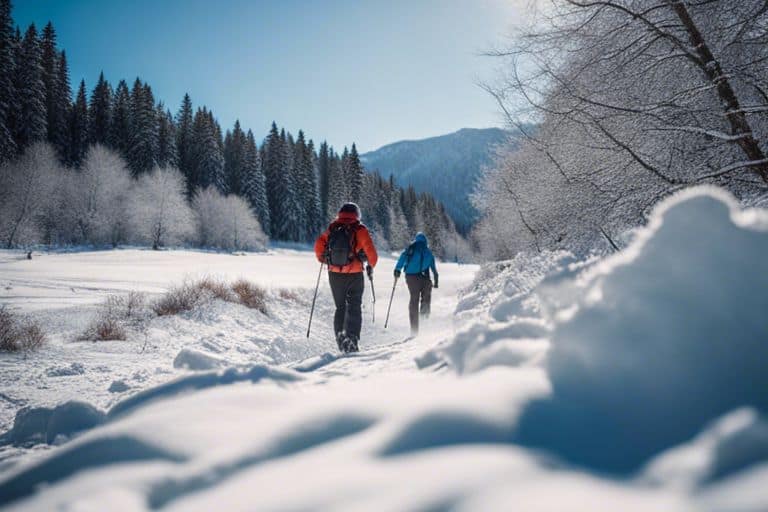
Experiencing inclement weather while out on the trail can be hazardous, especially when it comes to ice accumulation during winter hikes. It’s important to be well-prepared and knowledgeable on how to safely navigate through these perilous conditions to ensure a successful and secure outdoor adventure.
When faced with icy trails, you must first ensure that your footwear is equipped with traction devices such as microspikes or crampons. These devices provide additional grip and stability on icy surfaces, reducing the risk of slips and falls. Additionally, you should adjust your walking pace to a slower, more deliberate stride to maintain better control and balance over slick surfaces. It’s essential to be alert and mindful of your surroundings, as ice patches can be unpredictable and hidden beneath snow. By following these strategies, you can ensure a safer and more enjoyable winter hiking experience.
Key Takeaways:
- Stay informed: Check weather and trail conditions before heading out and be aware of any potential ice accumulation on the trail.
- Use proper gear: Invest in good quality hiking boots with proper traction and consider using hiking poles for added stability on icy terrain.
- Take it slow: Slow down your pace and take smaller, deliberate steps to prevent slipping and falling on ice.
- Avoid risky areas: Steer clear of steep or icy sections of the trail, and if necessary, find an alternative route to avoid dangerous conditions.
- Be prepared: Pack extra layers, hand and foot warmers, and a first aid kit in case of emergencies while hiking in icy conditions.
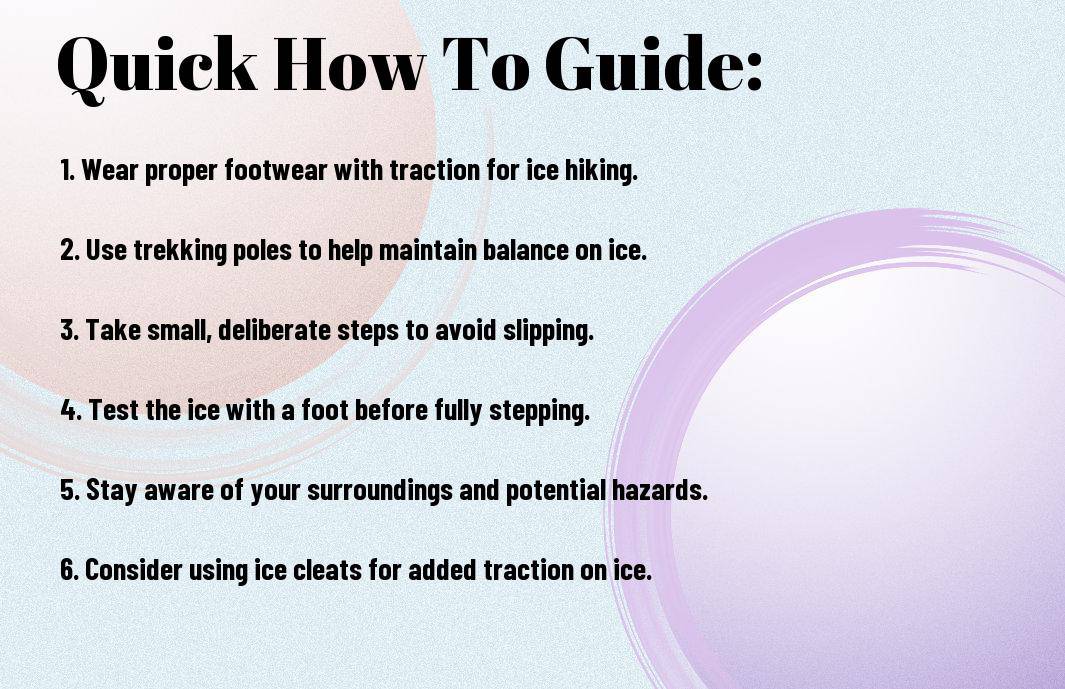
Pre-Hike Preparation
Clearly, preparing for a winter hike where ice accumulation is a risk is crucial for your safety. Here are some steps to take to ensure you are well-prepared for navigating icy conditions.
Assessing Weather Conditions and Ice Factors

Before heading out on your winter hiking adventure, it’s essential to assess the weather conditions and potential ice factors that you may encounter along the trail. Check the weather forecast for the specific area you’ll be hiking in and pay attention to factors such as temperature, precipitation, and wind gusts. These elements can greatly affect the formation and stability of ice on the trail. Additionally, consider the terrain you will be hiking on – areas with shaded spots, streams, or bodies of water are more likely to have ice accumulation. Make sure to check ice reports and trail conditions from local authorities or fellow hikers before setting out. Be especially mindful of any recent snowfall or rain prior to your hike, as this can significantly increase the risk of encountering icy conditions.
- Temperature fluctuations
- Precipitation types
- Terrain features
Perceiving these factors will help you make informed decisions about the gear and precautions you’ll need to take during your winter hike.
Essential Gear for Ice Navigation
Equipping yourself with the right gear to navigate ice accumulation is crucial for your safety. The most important piece of gear for navigating icy conditions is traction aids such as crampons or microspikes. These devices attach to your boots and provide additional grip on slippery surfaces. Additionally, trekking poles can help you maintain balance and stability while navigating icy terrain. Wearing proper insulated, waterproof boots is also essential to keep your feet warm and dry. You should also consider bringing along extra warm layers, gloves, and a hat to protect yourself from the cold. Lastly, it’s important to carry a first-aid kit and emergency supplies in case of any accidents or unforeseen circumstances.
Understanding Ice and Its Hazards
For many hikers, encountering ice accumulation while out on the trails during the winter months can present a variety of challenges. Understanding the nature of ice and its potential hazards is crucial for safely navigating these conditions. In this chapter, we will explore the different types of ice commonly encountered during hikes, as well as how to recognize weak ice and signs of instability.
Types of Ice Encountered During Hikes
When you’re out on a winter hike, it’s important to be aware of the different types of ice you might encounter. This knowledge will help you make informed decisions and avoid potential hazards. Here are the main types of ice you’re likely to come across:
- Black Ice: Thin and transparent ice that is often difficult to see, posing a hidden danger on the trails.
- White Ice: Compact, often snow-covered ice that provides better traction than black ice but can still be slippery.
- Clear Ice: Smooth, glossy ice that forms when water freezes slowly, presenting a significant slip hazard.
- Rot Ice: Porous, weakened ice that is often found along the edges of bodies of water, such as streams or lakes.
- Frazil Ice: Needle-like ice crystals that can form quickly and create slick surfaces on trails.
Perceiving the differences between these types of ice will help you anticipate the potential risks and adjust your hiking strategy accordingly.
Recognizing Weak Ice and Signs of Instability
While out on the trails, being able to recognize weak ice and signs of instability is crucial for your safety. Weak ice can often be identified by its thinness and apparent fragility, but there are other signs to watch out for as well. These may include visible cracks, slushy areas, or areas of discolored ice. Additionally, signs of instability such as water pooling on the ice or the presence of running water beneath the surface can indicate areas to avoid.
By staying aware and alert to these signs, you can make more informed decisions while navigating icy terrain, reducing the risk of accidents or falls.
Navigation Techniques on Ice
Unlike hiking on regular terrain, navigating ice accumulation requires special techniques to ensure your safety. When hiking in winter conditions, it is crucial to have a good understanding of how to navigate on icy surfaces to avoid slips, falls, and other accidents. Here are some important navigation techniques to keep in mind while winter hiking.
How to Distribute Weight Effectively
When navigating ice, it is important to distribute your weight effectively to maintain stability and reduce the risk of slipping. One effective method is to focus on keeping your weight centered over your feet. This can be achieved by slightly leaning forward and keeping your knees slightly bent to lower your center of gravity. Distributing your weight evenly between both feet and taking small, deliberate steps can also help to minimize the risk of slipping. Additionally, using trekking poles can provide additional support and help you maintain balance on icy surfaces.
The Ice Pacing Method: Step Strategies for Stability
The ice pacing method involves taking shorter and more deliberate steps to maintain stability on icy terrain. By keeping your strides shorter and taking your time, you can ensure better traction and reduce the risk of slipping. You can also consider using a modified walking pattern, such as the “penguin walk,” where you take small, shuffling steps to maximize contact with the ground. Another effective strategy is to use the “toe first” method, where you lead with your toes, allowing the front of your foot to grip the ice before fully planting your foot. These step strategies can help you navigate ice safely and with greater stability.
Using Equipment to Enhance Safety
To ensure your safety while navigating ice accumulation during winter hiking, it is crucial to utilize the appropriate equipment. This includes proper footwear, traction devices, and tools that will help you confidently and safely maneuver through icy terrain. Here are some essential tips for utilizing equipment to enhance your safety.
Tips for Selecting and Using Crampons
When selecting crampons, it is important to choose a pair that is compatible with your hiking boots. Look for crampons with sharp, durable spikes that provide sufficient traction on icy surfaces. Make sure they are easy to adjust and securely fasten to your boots.
- Ensure proper fit: Before heading out, make sure your crampons fit securely and snugly on your boots, with no play or movement.
- Use them cautiously: When using crampons, be cautious on mixed terrain, where there are sections of bare ground or rocks. Only utilize your crampons when walking on steep, icy slopes or packed snow.
- Maintain and inspect: Regularly inspect and maintain your crampons to ensure they are in good working condition. Replace any worn-out spikes for maximum traction.
This will help you navigate challenging icy conditions with confidence, knowing that you have the appropriate gear tailored to the terrain you will encounter.
Ice Axes and Walking Sticks: How to Use Them Properly
Utilizing an ice axe or walking stick can provide added stability and support while hiking on icy terrain. The sharp, pointed end of an ice axe can help you gain traction and arrest a fall if necessary. When using walking sticks, they can provide additional balance and support, especially on icy, uneven surfaces. Proper usage of these tools is essential for your safety.
- Proper grip: When using an ice axe, ensure that your hand has a firm grip on it, and you have practiced the technique of self-arrest to prevent falls.
- Choosing the right length: Your walking sticks should be the correct length to provide the proper support and stability. When using them, make sure to plant them firmly on the ground with each step to maintain balance.
These tools can be invaluable in maintaining stability and minimizing the risk of falls while traversing icy landscapes. Make sure you familiarize yourself with their proper use before heading out on your winter hike.
Mitigating Risks of Ice Accumulation
After you’ve familiarized yourself with the risks of ice accumulation while winter hiking, it’s important to take steps to mitigate these risks to keep yourself safe on the trails. There are several strategies you can employ to reduce the likelihood of encountering dangerous ice formations and minimize the impact if you do.
Traveling in Groups: Safety in Numbers
When hiking in icy conditions, traveling in a group can provide an added layer of safety. Not only does it provide you with the support and encouragement of fellow hikers, but it also ensures that you have assistance close at hand in the event of an accident. If someone in the group were to slip and fall on icy terrain, others can quickly provide aid or seek help if the situation warrants it. Additionally, in areas with potential for ice breakthroughs, traveling in a group can help distribute the weight across a larger area, reducing the risk of breakthroughs and potential injury.
Emergency Procedures for Falls and Breakthroughs
Despite your best efforts to avoid ice accumulation, falls and breakthroughs can still occur. It’s important to have a clear plan and procedures in place for dealing with these situations. If you or someone in your group suffers a fall on icy terrain, remain calm and assess the situation. Check for injuries and administer first aid if necessary. If a member of your group falls through ice into water, never attempt to rescue them yourself. Instead, call for emergency services and provide support to the person in the water while waiting for help to arrive.
It’s also important to maintain communication with your group and agree upon emergency signals or actions to take if someone becomes injured or stranded. Having a plan in place for dealing with these scenarios can make all the difference in the event of an emergency.
Critical Skills for Ice Emergencies
Unlike many other outdoor emergencies, navigating ice accumulation during winter hiking presents unique challenges. It’s crucial to have the critical skills necessary to handle ice emergencies with confidence and composure. In this chapter, we will explore the key skills and techniques you should know to ensure your safety when faced with ice-related challenges on a hike.
Self-Rescue Techniques on Ice
When stranded on ice, it’s essential to know how to rescue yourself safely. You should first try to remain calm and avoid making sudden movements that could cause you to lose balance. If you find yourself slipping, try to spread your body weight evenly and use your arms to maintain balance. Learning how to use self-arresting tools, such as an ice axe, can be a crucial skill for preventing falls on ice and snow-covered terrain. Mastering these self-rescue techniques can make all the difference in a potentially hazardous situation.
First Aid Tips for Hypothermia and Ice-Related Injuries
When faced with ice-related emergencies, it’s important to have a basic understanding of first aid for common injuries such as hypothermia and ice-related injuries. In the case of hypothermia, knowing how to recognize the symptoms, such as shivering, confusion, and a weak pulse, and how to properly warm the affected person, can be life-saving. In addition, having knowledge of how to treat ice-related injuries, such as frostbite and sprains, can help minimize the severity of the condition and prevent further damage. Here are some first aid tips to keep in mind for ice-related emergencies:
- Recognize the signs of hypothermia, including intense shivering, drowsiness, and confusion.
- Keep the affected person warm and dry, and seek medical help immediately if you suspect hypothermia.
- To treat frostbite, gently rewarm the affected area with warm water, and avoid using friction or direct heat.
- If someone experiences a sprain or fracture on ice, immobilize the injured area and seek professional medical help as soon as possible.
Knowing these first aid tips can be critical in providing immediate assistance to yourself or others in ice-related emergencies.
“`html
Maintaining Awareness and Safe Practices
Now that you’re out on the trail, it’s crucial to maintain awareness of your surroundings and practice safe hiking techniques to navigate ice accumulation. This includes ongoing assessment of the terrain and conditions, as well as knowing when to turn back if the risks outweigh the rewards.
Ongoing Assessment of Terrain and Conditions
As you continue along the trail, constantly assess the terrain and conditions to ensure you’re aware of any changes that could impact your safety. Look for signs of ice accumulation such as slick surfaces, frozen puddles, or snow-covered obstacles. Test the stability of the ice by gently tapping it with your trekking poles or boots before putting your full weight on it. Be cautious when crossing bridges, as they are often the first areas to accumulate ice.
Knowing When to Turn Back: Risk vs. Reward
It’s important to recognize when the risks outweigh the rewards when hiking in icy conditions. If you encounter a section of the trail that is particularly treacherous, such as a steep incline covered in ice, it may be wiser to turn back than to risk injury. Your safety should always be the top priority, and there is no shame in choosing to retreat if the conditions become too hazardous.
“`
Conclusion
From above, you have learned the importance of being prepared when hiking in winter conditions with ice accumulation. By having the right equipment, such as traction devices and trekking poles, and understanding how to use them effectively, you can minimize the risk of accidents and injuries. Remember to always check the weather conditions and ice forecasts before heading out, and be prepared to adjust your plans as needed to ensure your safety.
Overall, it is essential to prioritize safety when winter hiking in icy conditions. By taking the necessary precautions and being mindful of your surroundings, you can continue to enjoy the beautiful winter landscapes without putting yourself at risk. With proper planning and a cautious approach, you can safely navigate ice accumulation while winter hiking and make the most of your outdoor adventures during the colder months. Stay warm, stay safe, and happy hiking!
FAQ
Q: What precautions should be taken when hiking in areas with ice accumulation?
A: When hiking in areas with ice accumulation, it is crucial to dress in layers, wear proper footwear with traction, use hiking poles for stability, and carry essential safety gear such as crampons and an ice axe.
Q: How can hikers determine if an area is safe to hike with ice accumulation?
A: Hikers should assess the terrain for potential hazards such as steep slopes, icy patches, and overhanging ice. It is important to research the trail conditions beforehand and consider weather forecasts to determine if it is safe to hike.
Q: What are some techniques for safely navigating icy trails while winter hiking?
A: Techniques for safely navigating icy trails include taking shorter steps, walking with a wider stance, avoiding sudden movements, and using the “duck walk” method to lower your center of gravity and maintain balance.
Q: What safety equipment should hikers bring when hiking in icy conditions?
A: Hikers should bring essential safety equipment such as crampons, which provide traction on ice; an ice axe for self-arrest in case of a slip or fall; and trekking poles for added stability and support on icy terrain.
Q: What should hikers do in case of an emergency on icy trails?
A: In case of an emergency on icy trails, hikers should stay calm and assess the situation. If necessary, hikers should use their ice axe for self-arrest, create a shelter using available resources, and signal for help using a whistle or other signaling device. It is important to have a communication plan and to inform someone of your hiking itinerary before setting out on the trail.
0 Comments