

It is crucial to be well-prepared when venturing out for a winter hike, especially in snowy conditions where the risk of snow blindness is high. This temporary loss of vision due to overexposure to ultraviolet (UV) light reflected off snow and ice can be incapacitating and dangerous if proper precautions are not taken. As you set out to explore the winter wonderland, here are some essential tips to protect yourself from snow blindness and ensure a safe and enjoyable hike.
First and foremost, wearing protective eyewear is non-negotiable. Invest in a pair of sunglasses or goggles with a high UV-protection rating to shield your eyes from the glaring sunlight and prevent harmful UV rays from penetrating your eye. Additionally, be diligent about applying sunscreen not only on your skin, but also on the exposed areas around your eyes to provide an extra layer of protection. Lastly, be mindful of the time of day you choose to hike – mid-morning and mid-afternoon are when UV radiation is at its peak, so try to plan your trek outside of these hours whenever possible.
Key Takeaways:
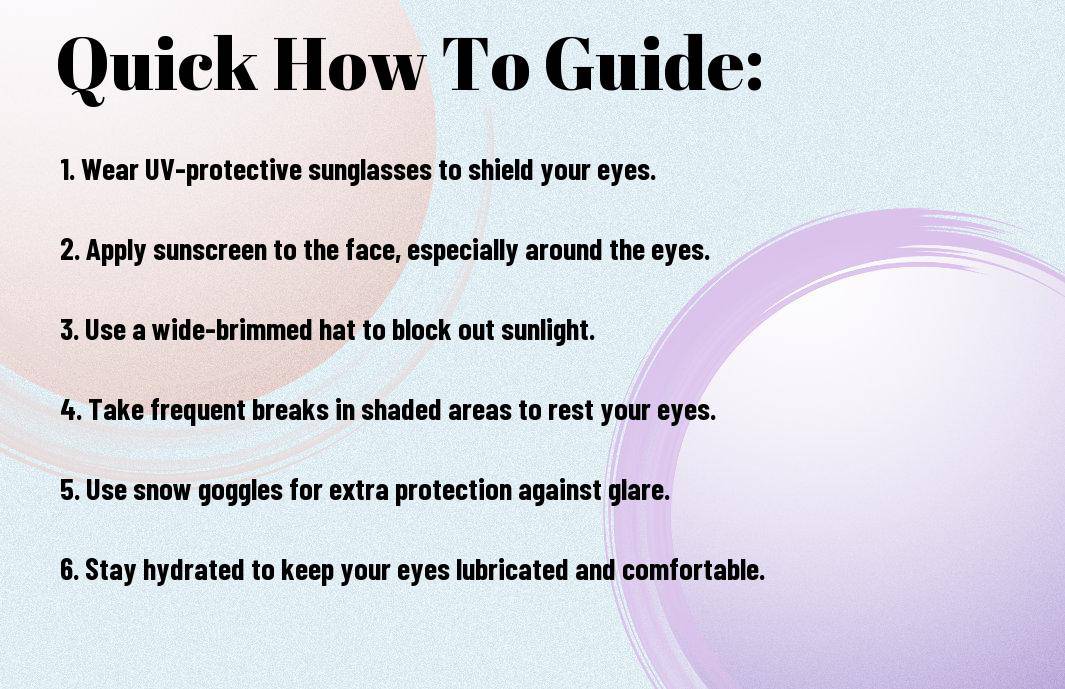
- Wear proper eye protection: Invest in a good pair of sunglasses or goggles with UV protection to shield your eyes from harmful UV rays.
- Take regular breaks: Give your eyes a rest by taking frequent breaks to prevent snow blindness while hiking in snowy conditions.
- Use sunscreen on your face: Apply sunscreen to your face, including the area around your eyes, to protect your skin from sunburn and reduce the risk of snow blindness.
- Be mindful of reflective surfaces: Snow and ice can reflect up to 80% of the sun’s UV rays, increasing the risk of snow blindness. Be aware of your surroundings and avoid prolonged exposure to bright, reflective surfaces.
- Stay hydrated: Dehydration can worsen the symptoms of snow blindness, so be sure to drink plenty of water while winter hiking to keep your eyes and body hydrated.
Factors Contributing to Snow Blindness
One of the main factors contributing to snow blindness is UV radiation exposure. UV rays from the sun can cause damage to your eyes, especially when reflected off snow. This can lead to a painful and potentially serious condition known as snow blindness. To prevent this, it is important to understand the various factors that contribute to snow blindness and take necessary precautions. Click here for more information on Winter UV Eye Safety: Prevent Snow Blindness and Other Winter Eye Problems.
Assume that you need to protect your eyes from UV radiation and take measures to prevent snow blindness while winter hiking.
UV Radiation Levels in Winter Environments
UV radiation levels can be surprisingly high in winter environments, especially at higher altitudes and in areas with highly reflective surfaces, such as snow and ice. Snow can reflect up to 80% of UV radiation, significantly increasing your exposure. This can result in a higher risk of snow blindness and potential long-term eye damage if not properly protected.
Reflection of Sunlight on Snow
The reflection of sunlight off snow can be extremely intense and damaging to your eyes. The bright glare can cause discomfort and temporary vision impairment, but prolonged exposure can lead to snow blindness. It is essential to wear proper eye protection to reduce the risk of this condition and protect your vision from harm.
Altitude and its Effects on UV Exposure
When you are at higher altitudes, the atmosphere is thinner, which means there is less atmosphere to absorb UV radiation. As a result, UV levels increase with altitude, putting you at a greater risk of eye damage. Additionally, snow and ice cover at higher altitudes can further amplify the reflection of UV rays, making it crucial to take necessary precautions to protect your eyes from the increased UV exposure.
Essentials of Eye Protection
Despite the beautiful winter landscapes, it’s important to remember that the sun’s reflection off the snow can cause serious damage to your eyes. When hiking in snowy conditions, protecting your eyes is essential. Your eyes can suffer from snow blindness, also known as photokeratitis, which is a painful condition caused by the sun’s UV rays reflecting off the snow and ice. To prevent this, investing in the right eye protection is crucial.
Choosing the Right Sunglasses
When it comes to choosing the right sunglasses for winter hiking, not all sunglasses are created equal. Look for sunglasses that are specifically designed for outdoor activities and offer 100% UV protection. The best sunglasses for snow sports will have a wrap-around design to minimize peripheral exposure to sunlight. Polarized lenses are also recommended, as they can significantly reduce glare and provide better visibility in snowy conditions. Additionally, opt for sunglasses with a darker tint to provide the maximum protection for your eyes. Make sure the sunglasses fit securely on your face to prevent any UV rays from sneaking in around the edges.
Goggles vs. Sunglasses
When deciding between goggles and sunglasses for winter hiking, consider the conditions in which you’ll be hiking. Goggles are ideal for extreme weather conditions, such as blizzards or strong winds, as they provide a close fit to the face, offering complete protection from the elements. They also prevent any debris or snow from entering your eyes. However, sunglasses are more versatile and can be worn in a variety of conditions. They are also more breathable and less likely to fog up, especially during high-intensity activities. Ultimately, your choice between goggles and sunglasses will depend on the specific needs of your winter hiking adventure.
How-To Guide for Snow Blindness Prevention
To prevent snow blindness while winter hiking, you need to take several precautions to protect your eyes from the intense glare of the snow. Here’s a guide on how to properly protect your eyes and avoid the painful and potentially dangerous effects of snow blindness.
Proper Wear of Eye Protection
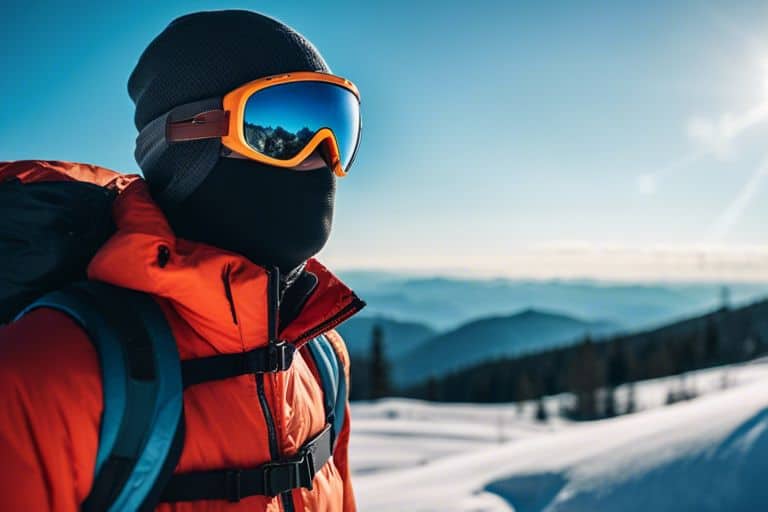
When it comes to preventing snow blindness, proper eye protection is crucial. You should always wear sunglasses or goggles specifically designed for snow sports. Look for sunglasses or goggles with 100% UV protection and a dark tint to block out the bright light reflecting off the snow. Make sure the sunglasses or goggles fit securely on your face to prevent any light from seeping in through the sides. It’s also important to choose a pair with a wraparound style to provide maximum coverage and protection for your eyes.
Integrating Eye Protection with Other Gear
Integrating your eye protection with the rest of your winter hiking gear is essential for preventing snow blindness. When choosing a hat or helmet to wear, make sure it works well with your sunglasses or goggles. Your eye protection should fit seamlessly with your headgear to ensure there are no gaps for light to enter. Additionally, consider using a neck gaiter or balaclava to cover any exposed skin around your eyes and further block out the glare from the snow. It’s also important to have a backup pair of sunglasses or goggles in case your primary pair gets damaged or lost during your hike.
By following these guidelines for proper wear of eye protection and integrating your eye protection with other gear, you can significantly reduce the risk of snow blindness while winter hiking. Taking these precautions will ensure that you can enjoy your outdoor adventure without risking the health of your eyes.
Additional Protective Measures
Unlike wearing sunglasses and a wide-brimmed hat, there are additional protective measures you can take to prevent snow blindness while winter hiking. These measures can further reduce your risk of damaging your eyes from the intense glare.
Use of Sunscreen and Protective Clothing
When you are on a winter hike, it is important to remember that the sun’s UV rays can still cause damage to your skin. To protect yourself, apply a broad-spectrum sunscreen with at least SPF 30 to any exposed skin, including your face. Additionally, wear protective clothing that covers your skin, such as long-sleeved shirts, pants, and gloves. This will provide an extra layer of defense against the sun’s harmful rays.
Building Natural Shades and Resting Spots
Another helpful measure to prevent snow blindness while hiking in winter is to create natural shades and resting spots along your route. Look for areas with natural shade, such as under tall trees, rock formations, or cliffs. When taking breaks, try to rest in these shaded areas to give your eyes a break from the bright sunlight. If natural shade is not available, consider bringing along a portable shade, such as a lightweight tarp or umbrella, to create a temporary resting spot.
Remember, taking these additional protective measures can greatly reduce the risk of snow blindness and ensure a more enjoyable and safe winter hiking experience. By using sunscreen, wearing protective clothing, and creating natural shades and resting spots, you can minimize the potential harm caused by the sun’s intense glare and UV rays.
Recognizing and Reacting to Symptoms
Keep a close eye on your vision while you’re hiking in the snow, as snow blindness can sneak up on you without warning. It’s important to recognize the early signs and know the immediate actions to take if symptoms appear.
Early Signs of Snow Blindness
As you trek through the snow, pay attention to your vision. The early signs of snow blindness include eye discomfort, tearing, and a gritty sensation in the eyes. You may also notice an increase in sensitivity to light, known as photophobia. If you experience any of these symptoms, it’s crucial to take action immediately to prevent further damage to your eyes.
Immediate Actions to Take if Symptoms Appear
If you start to experience any of the early signs of snow blindness, it’s important to immediately seek shelter in a shaded area. This could be under a tree or rock, or by using your equipment to create a makeshift shelter. Once you’re in a shaded area, give your eyes a break from the bright light by keeping them closed or covering them with a cloth. It’s also essential to remove any contact lenses if you wear them. Finally, if the symptoms persist or worsen, it’s crucial to seek medical attention as soon as possible. Your vision is not something to gamble with, so be proactive in protecting it while winter hiking.
Planning and Preparing for Winter Hiking
After choosing a winter hiking trail, the next step is to plan and prepare for your adventure. This includes checking weather conditions and UV forecasts, as well as incorporating eye health into your hiking plan.
Checking Weather Conditions and UV Forecasts
Before heading out on a winter hiking trip, it’s important to check the weather conditions and UV forecasts for the area you’ll be exploring. Extreme cold, high winds, and intense sunlight can all contribute to the risk of snow blindness. Make sure to dress appropriately for the weather and bring along any necessary gear, such as sunglasses or goggles with UV protection. Additionally, be aware of any avalanche warnings or other safety concerns related to the weather.
Incorporating Eye Health in Your Hiking Plan
When planning your winter hiking trip, don’t overlook the importance of protecting your eyes from the sun’s rays and the glare off the snow. In addition to wearing sunglasses or goggles with UV protection, consider taking regular breaks in shaded areas to give your eyes a rest. Hydration is also key to maintaining eye health, so be sure to drink plenty of water throughout your hike to prevent dry eyes and potential irritation.
The Importance of Preventing Snow Blindness While Winter Hiking
The key to preventing snow blindness while winter hiking is to adequately protect your eyes from harmful UV rays and bright sunlight reflecting off of the snow. Wearing proper eye protection, such as polarized sunglasses or ski goggles with UV protection, is crucial to safeguarding your vision during outdoor activities in the snow. Additionally, it is important to be mindful of the duration and intensity of exposure to the sun, as well as taking breaks in shaded areas to give your eyes a rest.
By following these guidelines and taking proactive measures to shield your eyes from the glare of the snow, you can minimize the risk of snow blindness and enjoy a safe and fulfilling winter hiking experience. Remember, protecting your eyes is essential for maintaining your overall eye health and ensuring a successful outing in snowy conditions.
FAQ
Q: What is snow blindness and how does it occur?
A: Snow blindness, also known as photokeratitis, is a painful eye condition caused by UV rays reflecting off of snow or ice. These rays can damage the cornea, leading to temporary vision loss and discomfort.
Q: What are the symptoms of snow blindness?
A: Symptoms of snow blindness may include blurred vision, difficulty in bright light, excessive tearing, and a feeling of sand or grit in the eyes. In severe cases, it can cause temporary blindness.
Q: How can I prevent snow blindness while winter hiking?
A: To prevent snow blindness while winter hiking, it is important to wear UV-blocking sunglasses or goggles that cover the entire eye area. Additionally, it’s advisable to use a hat or visor to provide shade for your eyes.
Q: Are there any other precautions I should take to avoid snow blindness?
A: Yes, it’s important to take regular breaks to rest the eyes and avoid prolonged exposure to bright, snowy conditions. Applying a high SPF sunscreen to the skin surrounding the eyes can also help reduce the risk of snow blindness.
Q: What should I do if I experience symptoms of snow blindness?
A: If you experience symptoms of snow blindness, it’s important to seek shelter immediately. Resting your eyes in a dark, quiet environment can help alleviate discomfort. If symptoms persist, it’s crucial to seek medical attention as soon as possible.
0 Comments