
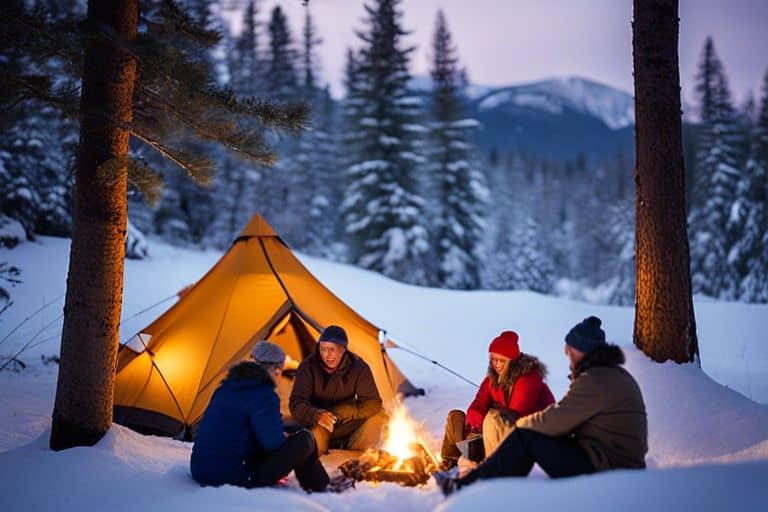
When adventuring out into the wilderness during the winter months, it’s important to be prepared for the challenges that come with the cold weather. However, that doesn’t mean that you can’t have a great time while winter tent camping. There are plenty of exciting activities that you can enjoy while surrounded by the snowy landscape.
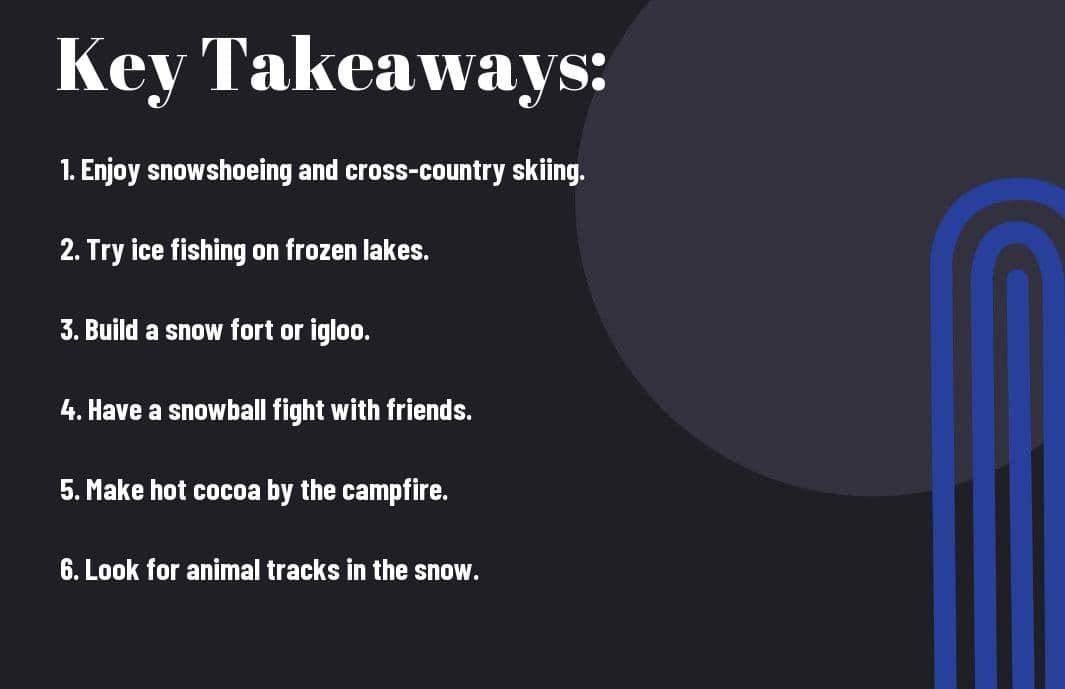
One of the most exhilarating winter camping activities is snowshoeing. Strapping on a pair of snowshoes allows you to explore the terrain and experience the beauty of the winter landscape in a whole new way. Additionally, if you’re looking for a more relaxing activity, you can spend some time ice fishing on a nearby frozen lake. Whatever activities you choose, just be sure to dress appropriately and stay aware of the potential dangers of winter camping.
Preparing for Your Winter Camping Trip
Some of the most enjoyable winter camping experiences are those that take a bit of planning. You want to make sure you have all the essential gear for staying warm and cozy during your trip. You also need to select the right winter tent and dress appropriately for the cold. In this chapter, we will cover everything you need to know to prepare for your winter camping adventure. For more creative winter camping activity ideas, check out Creative Winter Camping Activities.
Essential Gear for Winter Camping
When it comes to winter camping, having the right gear is crucial for staying safe and comfortable in cold temperatures. You’ll need a four-season tent that can withstand harsh weather conditions, a warm sleeping bag rated for temperatures below freezing, and a sleeping pad for insulation from the cold ground. Other essential items to pack include layers of warm clothing, a reliable source of lighting, a portable stove for cooking warm meals, and plenty of food and water to stay nourished and hydrated.
Selecting the Right Winter Tent
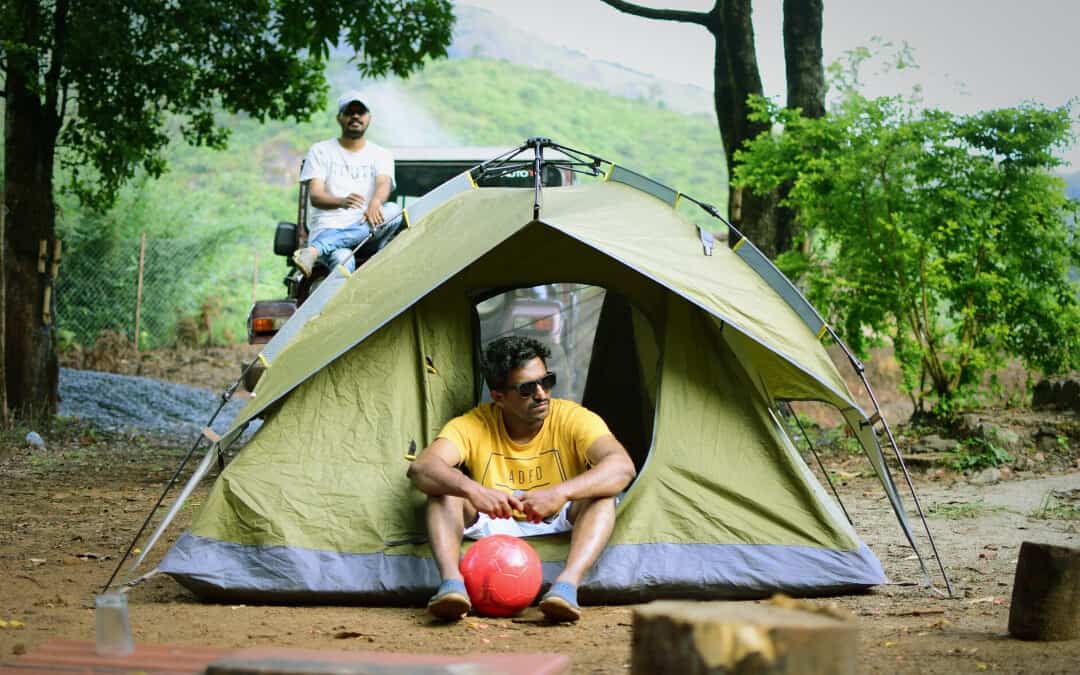
Choosing the right winter tent is essential for a successful winter camping trip. You’ll want to look for a tent that is durable, weatherproof, and spacious enough to accommodate you and your gear comfortably. A dome-shaped tent is generally more stable in windy conditions, while a double-wall tent provides better insulation. It’s also important to consider the weight and pack size of the tent for ease of transportation.
Dressing for the Cold
When dressing for winter camping, layering is key to staying warm and regulating your body temperature. Start with a moisture-wicking base layer, add an insulating layer for warmth, and finish with a waterproof and windproof outer layer. Wearing a hat, gloves, and insulated boots is crucial to protecting your extremities from the cold. Always be prepared for changing weather conditions and pack extra clothing in case of dampness or unexpected temperature drops.
Winter Camping Checklists
Having a checklist is an effective way to ensure you have all the essential items for your winter camping trip. Make sure to include items such as a first aid kit, emergency supplies, navigation tools, and a communication device in your checklist. Create a separate checklist for clothing, camping gear, food, and cooking essentials to stay organized and prepared for your trip.
Setting Up Your Winter Campsite
Despite the challenges of winter camping, it can be an incredibly rewarding experience. Setting up your campsite properly is key to ensuring a safe and enjoyable trip. Here are some tips for setting up your winter campsite to make the most of your adventure.
Choosing a Safe and Scenic Location
When setting up your winter campsite, it’s essential to choose a location that is both safe and scenic. Look for a spot that is sheltered from the wind and has good drainage to prevent snow from melting and pooling around your tent. Avoid areas with overhanging branches or dead trees that could pose a hazard in the event of heavy snowfall or strong winds. Additionally, a picturesque view can enhance your camping experience, so take the time to find a location with stunning natural beauty.
Tips for Setting Up a Tent in the Snow
Setting up a tent in the snow requires some special considerations to ensure a safe and comfortable shelter. First, pack down the snow where you plan to pitch your tent to create a firm, level surface. Once your tent is in place, use snow stakes or anchors to secure it firmly to the ground. Make sure to properly tension your tent to prevent the accumulation of snow on the fly and to maintain stability in windy conditions. Any loose fabric could catch the wind and potentially damage your shelter.
- Choose a four-season tent designed to handle heavy snow loads and strong winds.
- Use a ground tarp or footprint to protect the bottom of your tent from moisture and cold.
- Keep your tent well-ventilated to prevent condensation from building up inside.
Creating a Warm and Comfortable Sleeping Area
Once you have set up your tent, it’s essential to create a warm and comfortable sleeping area. Place an insulating sleeping pad under your sleeping bag to provide a barrier between you and the cold ground. Additionally, consider using a cold-weather sleeping bag rated for the temperatures you expect to encounter. You can also bring along a hot water bottle to keep your sleeping bag warm throughout the night. By carefully preparing your sleeping area, you can ensure a restful and comfortable night’s sleep even in the harshest winter conditions.
Campfire Management and Safety
Your winter camping experience wouldn’t be complete without a cozy campfire to gather around. However, it’s essential to manage and maintain your campfire safely to ensure a fun and safe camping experience. Here are some important tips for campfire management and safety to keep in mind during your winter tent camping trip.
Building and Maintaining a Safe Campfire
When building a campfire, it’s crucial to choose a location that is at least 15 feet away from tent walls, trees, or other flammable items. Clear the area around the fire pit by removing any debris, leaves, or vegetation. Construct a ring of rocks or use an existing fire ring to contain the flames. As you build your fire, remember to start with small tinder and gradually add larger sticks and logs. This will help your fire to burn steadily with less risk of spreading.
Campfire Cooking Techniques and Recipes
One of the best parts of winter camping is cooking over an open flame. When it comes to campfire cooking, it’s essential to have the right equipment, including a sturdy grill or a set of cooking skewers. You can get creative with campfire recipes, from traditional s’mores to foil-wrapped meals. Just make sure to always supervise your food while it’s cooking and use proper utensils to avoid burns or accidents.
Leave No Trace and Extinguishing Campfires
As responsible campers, it’s crucial to leave no trace when it comes to campfires. Before leaving your campsite, make sure the fire is completely out. Use water to douse the flames thoroughly, stirring the ashes to extinguish any remaining embers. Once the fire is cold to the touch, carefully dispose of the ashes in a designated area or a proper waste container. By following these guidelines, you can ensure that your campfire doesn’t pose a risk of starting a wildfire.
Fun Activities in the Snow
Lastly, let’s talk about the fun activities you can partake in while winter camping in the snow. Embracing the winter wonderland around you can open up a whole new world of exciting adventures.
Snowshoeing and Hiking Adventures
One of the best ways to explore the snowy landscape is by strapping on a pair of snowshoes and embarking on a winter hike. Snowshoeing allows you to traverse through deep snow with ease, giving you access to remote areas that may be inaccessible otherwise. You can explore breathtaking winter vistas and enjoy the peace and quiet of the snow-covered wilderness. Just make sure to choose safe and marked trails and be prepared for varying weather conditions.
Building a Snowman or Snow Fort
Another classic winter activity to enjoy during your tent camping trip is building a snowman or a snow fort. You can let your creativity shine as you sculpt your snow creation, and it’s a great way to have fun and make lasting memories. Building a snow fort can also provide you with a cozy shelter to relax in and escape the cold for a while. Just be cautious of any hidden obstacles under the snow while building.
Winter Photography and Nature Observation
Winter landscapes can be incredibly beautiful and offer unique photographic opportunities. You can capture the stunning snow-covered scenery, the intricate patterns of snowflakes, and the wildlife that adapts to the winter conditions. Bring along your camera and take the time to observe and appreciate the natural world around you. Just remember to protect your camera from the cold and pack extra batteries as the cold temperatures can drain them quickly.
Nighttime Activities and Stargazing
Now that the sun has set and the temperatures have dropped, it’s time to embrace the magic of the nighttime while winter tent camping. Whether you’re a stargazing enthusiast or simply looking for fun activities to do after dark, there’s plenty to keep you entertained while camping in the winter.
Planning for a Stargazing Session
One of the most captivating aspects of winter tent camping is the opportunity for stargazing. Before you head out, check the weather forecast to ensure clear skies for optimal visibility. Pack binoculars or a small telescope to enhance your stargazing experience. Additionally, consider downloading a stargazing app on your smartphone to help you identify constellations and planets as you admire the night sky.
Stories and Games Around the Campfire
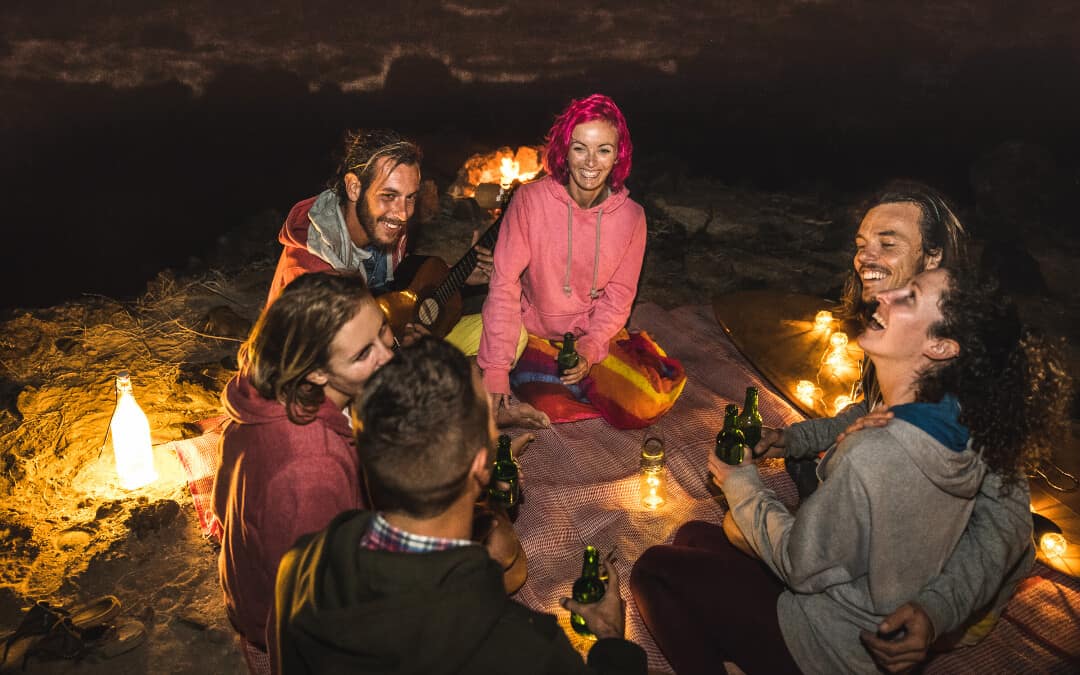
After the sun has set and you’ve enjoyed a hearty dinner, gather around the campfire with your companions for an evening filled with stories and games. Bring along a deck of cards or a classic board game to enjoy by the warm glow of the fire. If you’re feeling creative, try your hand at storytelling or singing campfire songs to make lasting memories with your fellow campers.
Tips for Staying Warm and Cozy Overnight
As you prepare for a night of stargazing and other nighttime activities, it’s important to stay warm and cozy to ensure a comfortable experience. Layer your clothing with thermal or moisture-wicking fabrics to retain body heat. Place a thick sleeping pad beneath your sleeping bag to insulate yourself from the cold ground. Additionally, use a hot water bottle or heated blanket to keep your sleeping area toasty. Remember to avoid sweating as it can lead to hypothermia, and always have a backup plan for staying warm in case of unexpected weather changes.
- Layer your clothing with thermal or moisture-wicking fabrics
- Place a thick sleeping pad beneath your sleeping bag
- Use a hot water bottle or heated blanket to keep your sleeping area toasty
Though the nighttime temperatures may be chilly, with proper preparation and gear, you’ll be able to enjoy the enchanting experiences that winter tent camping has to offer.
Embracing the Winter Wilderness
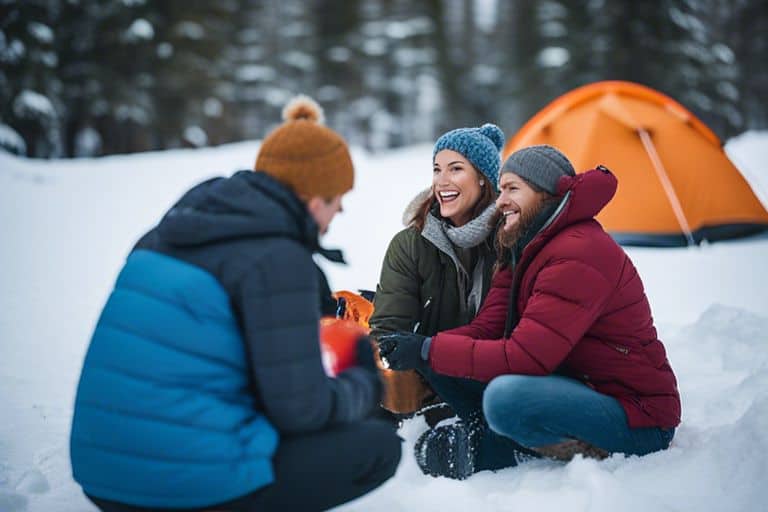
After setting up your tent and getting settled in, it’s time to embrace the winter wilderness and make the most of your camping experience. There are plenty of fun activities to enjoy while winter tent camping, whether you’re with friends, family, or on a solo adventure. Embracing the great outdoors during the winter can be an exhilarating experience, and with the right mindset and preparation, you can have a truly memorable time. If you need some inspiration, you can find some fun camping activities to do with friends and family here.
Ice Fishing and Safety Precautions
Ice fishing is a popular winter activity that you can enjoy while tent camping. Before heading out onto the ice, it’s important to take precautions for your safety. Make sure the ice is thick enough to support your weight, and always have the proper gear, including ice picks and a life jacket in case of emergencies. It’s also a good idea to let someone know where you’ll be and when you expect to return.
Wildlife Tracking and Bird Watching
Winter provides a unique opportunity for wildlife tracking and bird watching. Take a walk through the snow and look for tracks left behind by animals. You might spot signs of rabbits, deer, or even foxes. Bird watching can also be particularly rewarding during the winter months, as many species migrate to different regions. Keep an eye out for birds of prey, such as eagles and hawks, as they soar through the crisp winter air.
The Thrill of Winter Survival Skills
There’s a certain thrill that comes with learning and practicing winter survival skills. Whether it’s starting a fire in the snow, building a shelter, or identifying edible plants in the winter landscape, honing your survival skills can be both challenging and rewarding. You’ll gain a deeper understanding of your natural surroundings and feel a sense of empowerment knowing that you have the knowledge and abilities to thrive in the winter wilderness.
Health, Safety, and Environmental Considerations
Despite the fun and excitement of winter tent camping, it’s crucial to be mindful of potential health, safety, and environmental considerations. Proper preparation and awareness of these factors are essential to ensure a safe and enjoyable experience for you and your fellow campers.
Recognizing and Preventing Hypothermia and Frostbite
When winter camping, it’s important to be aware of the risk of hypothermia and frostbite. Symptoms of hypothermia include shivering, confusion, slurred speech, and drowsiness. Frostbite can cause numbness, tingling, or aching in the affected areas. To prevent these conditions, it’s crucial to dress in layers, keep dry, and monitor yourself and others for any signs of cold-related illnesses. You should also bring extra layers, blankets, and hot drinks to help you stay warm.
Wildlife and Habitat Preservation in Winter
Winter camping often means sharing the outdoor space with wildlife. It’s essential to respect the natural habitat and wildlife around you. Store your food and trash securely to avoid attracting animals to your campsite. Be mindful of your impact on the environment, and always leave no trace by cleaning up after yourself and following the principles of “pack it in, pack it out.” Additionally, be aware of any specific wildlife encounters that are common in the area you are camping, and take precautions to avoid any potentially dangerous situations.
Responsible Winter Camping Etiquette
Responsible camping etiquette is essential to ensure that the beauty of the natural surroundings is preserved for future generations. Follow Leave No Trace principles by minimizing your impact on the environment. This means appropriately disposing of waste, respecting wildlife and vegetation, and being considerate of other campers. Properly extinguish campfires, and be mindful of noise levels to avoid disturbing the tranquility of the natural surroundings. By practicing responsible winter camping etiquette, you can contribute to the preservation of the environment and the enjoyment of the outdoor experience for all.
Conclusion
Considering all points, winter tent camping can be a fun and adventurous experience, especially when you engage in various activities to make the most of the season. From snowshoeing and cross-country skiing to building a snowman and having a snowball fight, there are plenty of ways to keep yourself entertained while winter camping. Additionally, enjoying a warm campfire, cooking delicious meals, and stargazing are also great ways to make your camping trip memorable and enjoyable. By being well-prepared and having the right gear, you can have a wonderful time experiencing the beauty of nature in the winter.
So, if you are looking for an exciting and unique outdoor adventure, consider planning a winter tent camping trip and try some of these fun activities. With the right planning and a spirit of adventure, you can create lasting memories and make the most of your winter camping experience.
0 Comments