

Embracing the wild winter wonderland while tent camping can be an exhilarating adventure. However, before you grab your gear and head out into the cold, it’s important to consider the safety risks involved. Winter tent camping presents unique challenges, and proper preparation is crucial to ensure your safety.
From freezing temperatures to potential exposure to hypothermia and frostbite, winter tent camping comes with inherent dangers. However, with the right skills, knowledge, and precautions, you can enjoy a fun and safe outdoor experience. For essential tips on how to safely navigate winter camping, check out our guide on Winter Camping: Useful Tips to Avoid Freezing to Death.
Understanding Winter Weather
Assuming you are planning to go winter tent camping, it is crucial to understand the various types of winter weather systems that you may encounter. Winter weather can be extremely unpredictable, and being prepared for different weather patterns is essential for your safety.
Types of Winter Weather Systems
When it comes to winter weather, you may encounter several different types of systems, each with its own unique characteristics. The most common types of winter weather systems include:
- Blizzards: These intense snowstorms are characterized by strong winds, low visibility, and heavy snowfall. Blizzards can create dangerous conditions for outdoor activities.
- Ice storms: Ice storms occur when rain freezes upon impact, creating a layer of ice on everything it touches. This can be extremely hazardous for campers as it creates slippery and potentially dangerous conditions.
- Snow squalls: These sudden, brief, and intense snow showers can greatly reduce visibility and create hazardous driving conditions. It is important to be prepared for these unexpected bursts of snow.
- Sleet and freezing rain: Both sleet and freezing rain can create treacherous icy conditions, making it dangerous to be outdoors.
- Winter storms: These encompass a range of severe winter weather conditions, including heavy snow, ice, and extreme cold. Winter storms can be particularly dangerous, so it’s crucial to be well-prepared.
Assume that during your winter camping trip, you may encounter one or more of these weather systems, and being informed about their characteristics and potential dangers can help you stay safe.
Preparing for Sudden Weather Changes
Winter weather can change rapidly and unexpectedly, so it’s essential to be prepared for sudden weather shifts during your camping trip. Always keep a close eye on weather forecasts and be ready to adjust your plans accordingly. Additionally, ensure you have the necessary gear and clothing to stay warm and dry in the event of sudden weather changes.
Understanding how to recognize signs of worsening weather and having a plan in place to seek shelter or make a timely exit if necessary can help keep you safe in unpredictable winter conditions.
Essential Gear for Winter Tent Camping
Clearly, when it comes to winter tent camping, having the right gear can make all the difference. Before you head out into the cold, it’s important to make sure you have everything you need to stay safe and comfortable during your adventure. This article on winter camping safety tips for all skill levels can provide additional insights and tips to keep in mind.
Choosing the Right Tent
When it comes to winter camping, your tent is your first line of defense against the elements. Look for a tent that is specifically designed for winter conditions, with a sturdy frame to withstand wind and snow. A four-season tent is essential for winter camping, as it is designed to handle heavy snow loads and harsh weather. Additionally, look for a tent with good ventilation to prevent condensation from building up inside.
Sleeping Bags and Insulation
Your choice of sleeping bag and insulation is crucial for staying warm during winter camping. Opt for a sleeping bag that is rated for the lowest temperatures you expect to encounter. Look for quality insulation, such as down or synthetic materials, to keep you warm throughout the night. Consider using a sleeping pad for extra insulation from the cold ground.
Staying Warm: Clothing and Layering
Staying warm in winter conditions requires careful consideration of your clothing and layering. Choose moisture-wicking base layers to keep sweat away from your body, and add insulating layers such as fleece or down jackets. A waterproof and windproof outer layer is essential to protect against the elements. Don’t forget to bring extra socks, gloves, and a warm hat to keep extremities warm.
Safety Gear: Navigational and Emergency Tools
In addition to the basics, you should also pack essential safety gear for winter camping. This includes a map and compass or GPS device for navigation, as well as a headlamp or flashlight for visibility in the dark. Consider carrying a first-aid kit, emergency shelter, and a multipurpose tool for unexpected situations. It’s also a good idea to have a reliable method of communication, such as a fully charged cell phone or a two-way radio.
Health and Safety Considerations
However, before heading out on a winter tent camping trip, it’s important to consider potential health and safety risks that come with cold weather camping. Being prepared and knowledgeable about these considerations can help you have a safe and enjoyable camping experience.
Hypothermia and Frostbite: Recognition and Prevention
When winter camping, the risk of hypothermia and frostbite is a serious concern. Hypothermia occurs when your body loses heat faster than it can produce it, causing a dangerously low body temperature. Frostbite happens when skin and the tissue just below it freeze, leading to potential permanent damage.
To recognize and prevent hypothermia and frostbite, it’s important to dress in layers to retain body heat, keep your head and extremities covered, and stay dry. Symptoms of hypothermia include shivering, confusion, and difficulty speaking, while frostbite can cause numbness, tingling, and discoloration of the skin. If you or someone in your camping group exhibits these symptoms, it’s crucial to seek shelter, remove wet clothing, and warm the affected areas gradually.
Nutrition and Hydration in Cold Weather
Proper nutrition and hydration are essential for staying healthy and warm during winter camping. Consuming enough calories is crucial to keep your body fueled for generating heat, and staying hydrated helps maintain proper circulation and bodily functions. In cold weather, your body may require more food and water than usual to maintain energy and warmth.
It’s important to pack high-energy foods and snacks that are easily accessible, as well as a good supply of water or hot beverages. Additionally, warming up with hot meals and drinks can help maintain your body temperature and morale.
Setting Up Camp in Winter Conditions
Lasty, setting up camp in winter conditions requires careful consideration and proper techniques to ensure a safe and enjoyable experience. From selecting a safe campsite to using specific techniques for snow and ice, there are important factors to keep in mind as you prepare for winter tent camping.
Selecting a Safe Campsite
When setting up camp in winter conditions, it’s crucial to choose a safe and suitable location. Look for a spot that is sheltered from strong winds and potential avalanche paths. Avoid areas with heavy snow accumulation or potential treefall. It’s also important to consider proximity to water sources and potential hazards such as ice-covered lakes or rivers. Choose a location that provides easy access to firewood and has good drainage to prevent snowmelt from seeping into your campsite.
Techniques for Snow and Ice
Once you’ve selected a safe campsite, it’s essential to utilize proper techniques for dealing with snow and ice. When pitching your tent, clear the area of all snow and use a ground tarp to provide insulation from the cold ground. Secure your tent with extra guy lines and stakes to withstand strong winds. Create a windbreak using a snow wall or natural features to protect your camp from harsh weather. Additionally, be sure to have the right gear for traveling on snow and ice, such as snowshoes or crampons, to safely navigate the terrain around your campsite.
Winter Camping Skills and Best Practices
Now that you’ve decided to brave the winter for a camping adventure, it’s crucial to have the right skills and knowledge to stay safe and comfortable in the cold. Winter camping requires a different set of skills and best practices compared to other seasons, and it’s important to be prepared for the unique challenges that come with it. From fire building to managing snow and ice, here are some essential skills and best practices to keep in mind for a safe and enjoyable winter camping experience.
Fire Building and Maintaining Heat
One of the most important skills to have for winter camping is the ability to build and maintain a fire. In cold temperatures, a fire is not only essential for cooking and boiling water but also for keeping you warm. When building a fire in the snow, it’s crucial to create a sturdy base using logs or rocks to keep the fire off the ground. You’ll also need to gather plenty of dry firewood, as well as tinder and kindling to get the fire started. Once the fire is going, be sure to maintain it properly by adding wood as needed and tending to it throughout the night to stay warm.
Managing Snow and Ice Inside and Around the Tent
Managing snow and ice inside and around your tent is essential for both safety and comfort. Before setting up your tent, it’s crucial to clear the area of any snow and create a flat, even surface to pitch your tent. Once inside the tent, be mindful of keeping snow and moisture out by removing your boots and outer layers before entering. You can also place a tarp or groundsheet inside the tent to provide an extra barrier against moisture and the cold ground. Additionally, regularly shake off any snow on your tent’s rainfly to prevent accumulation and potential collapse due to excess weight.
Hazard Assessment and Risk Management
Despite the beauty of a winter landscape, it’s important to be aware of the potential hazards associated with tent camping in the winter. By conducting a thorough hazard assessment and understanding how to manage these risks, you can ensure a safe and enjoyable experience.
Wildlife Encounters
When winter camping, it’s important to be aware of potential wildlife encounters. While many animals may be in hibernation or have migrated to warmer areas, some species are still active in the winter. You may encounter wildlife such as wolves, bears, or mountain lions. It’s important to take precautions to minimize the risk of encounters, such as properly storing food, using bear-proof containers, and making noise while hiking to alert animals of your presence. In the event of an encounter, it’s critical to remain calm and follow proper safety protocols, such as slowly backing away and never turning your back on the animal.
Identifying and Avoiding Avalanche-Prone Areas
Winter camping in snowy areas poses the risk of avalanches, especially in mountainous regions. It’s essential to be able to identify avalanche-prone areas and take steps to avoid them. Look for signs of recent avalanche activity, such as visible debris or fracture lines. It’s also crucial to familiarize yourself with avalanche safety and rescue techniques, as well as carrying essential rescue gear such as an avalanche transceiver, probe, and shovel.
When exploring snowy terrain, always travel one at a time in avalanche-prone areas, and be aware of the weather conditions that can increase the risk of avalanches, such as heavy snowfall or rapidly changing temperatures. By understanding how to identify and avoid avalanche-prone areas, you can significantly reduce the risk to yourself and your fellow campers.
Is Winter Tent Camping Safe?
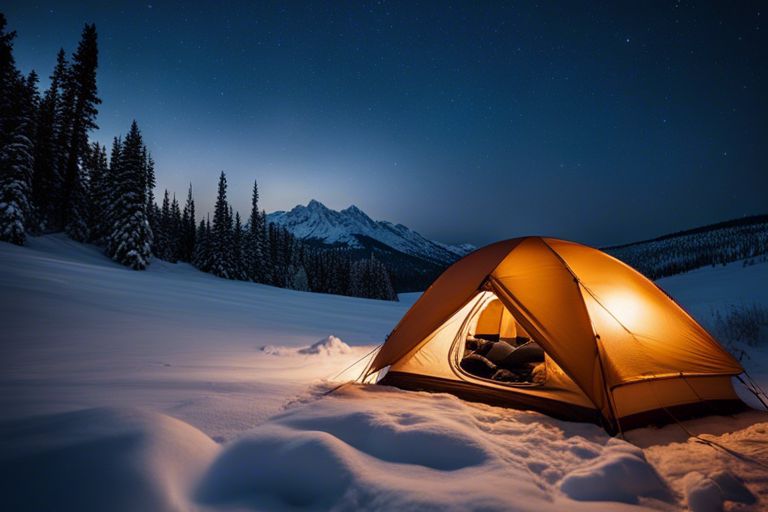
Ultimately, winter tent camping can be safe as long as you take the necessary precautions. By properly preparing yourself with the right gear, such as a four-season tent, a warm sleeping bag, and adequate clothing layers, you can significantly reduce the risks associated with cold weather camping. It’s also important to check the weather forecast and be prepared for any sudden changes in temperature or snowfall. Additionally, knowing how to build a proper campfire and being aware of potential hazards, such as carbon monoxide poisoning and frostbite, can help ensure your safety during winter tent camping.
Remember that safety should always be your top priority, so it’s crucial to be well-informed and well-prepared before embarking on a winter camping trip. By following these guidelines and using common sense, you can enjoy the beauty of winter camping while staying safe and comfortable in the great outdoors.
0 Comments