

Embracing the wintry outdoors by embarking on a winter tent camping trip can be an exhilarating experience, providing you with opportunities for unique adventures and unforgettable memories. However, venturing out into the wilderness during the winter months requires careful planning and preparation to ensure your safety and comfort. Winter camping poses a number of challenges and risks, including extreme cold temperatures, unpredictable weather, and limited daylight hours. Nevertheless, with the right gear, knowledge, and mindset, you can conquer these obstacles and enjoy the rewards of a winter camping escapade. With the following tips and guidelines, you can effectively plan and prepare for a winter tent camping trip, making the most of this invigorating outdoor experience.
Choosing the Right Gear
Any successful winter tent camping trip starts with selecting the right gear. In cold and potentially harsh conditions, having the proper equipment is essential to your comfort and safety. When choosing gear for your winter camping trip, consider the potential challenges of frigid temperatures, strong winds, and heavy snowfall. In this chapter, we will discuss how to select the right gear for your winter tent camping adventure.
Selecting a Four-Season Tent
When it comes to winter camping, your tent is your first line of defense against the elements. Choosing a four-season tent is essential for providing the durability and insulation you need to stay warm and dry in the snow. Look for a tent with a sturdy frame, durable fabric, and a full-coverage rainfly to protect you from wind, snow, and sleet. Additionally, a tent with good ventilation will help reduce the condensation that can build up inside, leading to damp and uncomfortable conditions.
Essential Winter Camping Equipment
In addition to a quality tent, there are several pieces of gear that are essential for winter camping. A warm sleeping bag rated for cold temperatures is crucial, as well as a sleeping pad to insulate you from the frozen ground. It’s also important to have a reliable stove for cooking warm meals and melting snow for water, as well as insulated clothing, waterproof boots, and adequate layers to keep you warm while you’re out exploring the winter wonderland. Lastly, don’t forget about safety equipment such as a first aid kit, navigation tools, and a reliable communication device in case of emergencies.
Apparel for Winter Camping
Last but not least, let’s talk about the most important aspect of your winter camping trip – the apparel you need to stay warm and comfortable in the cold conditions. Proper clothing is crucial for a successful winter camping experience, as it can mean the difference between an enjoyable adventure and a miserable one. In this section, we will discuss the essential clothing and gear you need for winter camping, including layering techniques for optimal warmth and the best footwear and accessories for cold-weather conditions.
Layering Techniques for Optimal Warmth
When it comes to dressing for winter camping, layering is key to staying warm and comfortable. The layering system consists of three main layers: a base layer, an insulating layer, and an outer shell. The base layer should be made of moisture-wicking material to keep sweat away from your skin, while the insulating layer provides warmth by trapping body heat. The outer shell protects you from wind, rain, and snow. By layering your clothing, you can easily adjust your body temperature by adding or removing layers as needed. This versatility is essential for staying comfortable in fluctuating winter weather conditions.
Footwear and Accessories for Cold-Weather Conditions
When it comes to footwear for winter camping, insulation and traction are crucial. You’ll want to wear waterproof and insulated boots to keep your feet warm and dry. Look for boots with a high ankle for added support and insulation. Additionally, consider bringing traction devices such as crampons or microspikes to provide grip on icy or snowy terrain. In extremely cold conditions, it’s essential to keep your extremities warm, so don’t forget to pack a hat, gloves, and thick socks. These accessories will help prevent frostbite and keep you comfortable throughout your trip.
Planning Your Trip
Now that you have made the decision to go on a winter camping trip, it’s time to start planning. A successful winter camping trip requires careful planning and preparation to ensure a safe and enjoyable experience. There are several key factors to consider when planning your winter camping trip, including researching your destination, understanding winter weather patterns, and selecting the right gear and equipment.
Researching Your Destination
When planning a winter camping trip, it’s essential to thoroughly research your destination. You should consider the terrain, elevation, and potential hazards such as avalanches or wildlife encounters. Look for information on the availability of water sources, campsites, and any necessary permits or regulations for camping in the area. Additionally, consider the accessibility of the location during winter months and any road closures or restrictions that may impact your trip.
Understanding Winter Weather Patterns
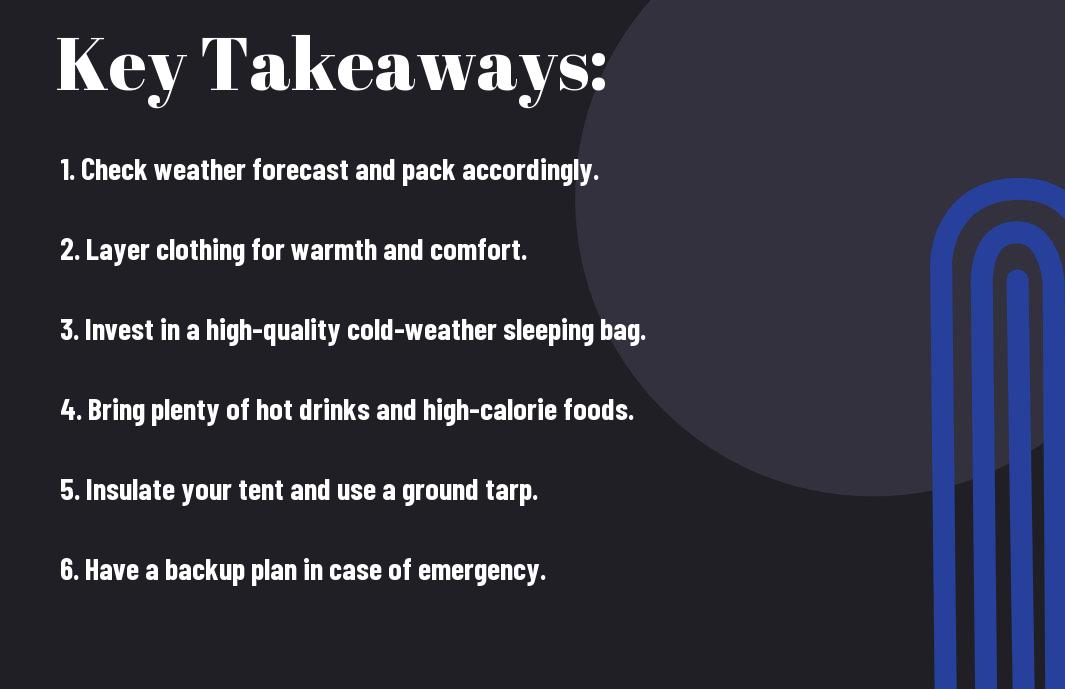
One of the most crucial aspects of planning a winter camping trip is understanding winter weather patterns. Check the weather forecast for your destination and surrounding areas, paying particular attention to temperatures, snowfall, and wind conditions. Be prepared for sudden changes in weather and potential winter storms, which could pose serious hazards to your safety. It’s important to have a solid understanding of how to interpret weather forecasts and recognize signs of hazardous conditions while you’re out in the wilderness.
Nutrition and Hydration
Your nutrition and hydration are crucial when camping in the winter. Cold weather and physical activity can deplete your energy and fluids faster than you might realize. It is important to be mindful of what you eat and drink to ensure you stay healthy and warm during your winter camping trip. For more useful tips on winter camping, you can check out Winter Camping: Useful Tips to Avoid Freezing to Death.
Meal Planning for Cold Weather
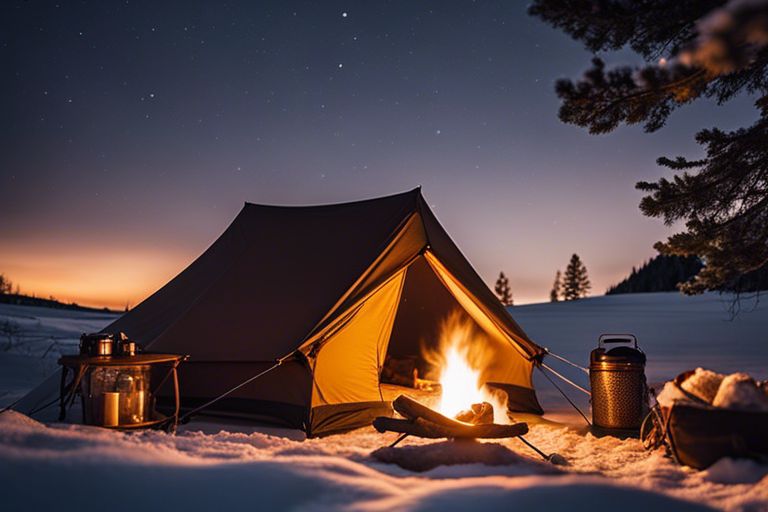
When planning your meals for a winter camping trip, consider foods that provide sustained energy and warmth. High-protein, high-fat foods like nuts, cheese, and jerky can help keep you feeling full and provide the necessary energy to stay warm. Additionally, hot meals and beverages can contribute significantly to your overall warmth and comfort. Pack foods that are easy to prepare and can be cooked over a campfire or portable stove. Consider bringing along pre-cooked meals that can be easily reheated.
Preventing Dehydration in Cold Climates
Preventing dehydration is crucial in cold climates, as it can be easy to underestimate your fluid intake when the weather is cold. You might not feel as thirsty as you would in warmer temperatures, but your body still requires just as much hydration. Drink plenty of fluids throughout the day, including water, hot beverages, and soups. It’s also important to avoid excessive alcohol and caffeine consumption, as they can contribute to dehydration. Dehydration can lead to fatigue, impaired cognitive function, and even hypothermia, so it’s essential to stay mindful of your fluid intake.
Setting Up Camp
Now that you have selected the perfect location for your winter tent camping trip, it’s time to set up camp. This step is crucial to ensure a safe and enjoyable experience in the great outdoors. From selecting a safe and sheltered campsite to learning the techniques for pitching tents in snow, there are a few key factors to consider as you prepare to set up your winter camp.
Selecting a Safe and Sheltered Campsite
When setting up camp in winter, it is important to choose a location that provides protection from the elements. Look for a spot that is sheltered from strong winds and potential avalanche paths. Additionally, be mindful of potential hazards such as falling branches or snow accumulation from nearby trees. It’s also important to consider the proximity to water sources and potential avalanche zones. **Ensure that your campsite is located well above the high-water mark if you are camping near a body of water**. This will help minimize the risk of flooding in the event of sudden temperature changes. Always be aware of your surroundings and potential hazards when selecting a campsite in winter.
Techniques for Pitching Tents in Snow
Pitching a tent in snow requires a different approach than in other seasons. One of the most important factors to consider is **creating a level base for your tent**. This will help prevent any sliding or shifting of the tent once it is set up. You can achieve this by compacting the snow where you plan to pitch your tent. Additionally, utilizing snow anchors or deadman anchors can help secure your tent in windy conditions. Anchoring your tent properly is crucial for stability in winter camping. **Always use a 4-season tent that is designed to withstand heavy snow loads and strong winds**. Be sure to follow the manufacturer’s instructions when setting up your tent to ensure maximum safety and protection from the elements.
Safety and Emergency Preparedness
Despite the allure of winter camping, it’s important to remember that the conditions can be unpredictable and potentially dangerous. Prioritizing safety and being prepared for emergencies should be your top concern when planning a winter tent camping trip. In this section, we will cover the key aspects of safety and emergency preparedness to ensure a safe and enjoyable experience.
First Aid Considerations in Winter Conditions
When camping in winter, the risk of injuries such as frostbite, hypothermia, and snow-related accidents increases. It is crucial to have a well-stocked first aid kit that includes items specifically for treating cold-related injuries. Pack extra supplies such as hand warmers, emergency thermal blankets, and a thermometer. Familiarize yourself with the symptoms of cold-related injuries and know how to administer first aid in cold weather conditions. It’s also important to have a basic understanding of wilderness first aid, just in case of an emergency. Being prepared with the knowledge and supplies to treat potential injuries can make a significant difference in the outcome of an emergency situation.
Emergency Signal Methods and Devices
In the event of an emergency, having a reliable method of signaling for help is paramount. Carrying a whistle, mirror, or signaling device can aid in getting the attention of potential rescuers. Additionally, a personal locator beacon (PLB) or satellite messenger device can be invaluable in summoning emergency assistance in remote winter camping locations. These devices can transmit your GPS coordinates to emergency services, allowing for a swift and targeted response. Make sure you are familiar with how to use these devices before embarking on your winter camping trip and keep them easily accessible in case of an emergency. It’s essential to have a plan in place for signaling for help if the need arises.
Environmentally Responsible Camping
However, as you plan for your winter tent camping trip, it’s important to consider the impact you will have on the environment. Winter camping requires extra attention to ensure you are minimizing your ecological footprint and leaving the natural environment undisturbed.
Leave No Trace Principles in Snow
When camping in the snow, it’s crucial to adhere to the Leave No Trace principles to minimize your impact on the environment. One of the most important principles is to stay on durable surfaces to avoid damaging vegetation beneath the snow. This means setting up your camp on compacted snow or areas that are not ecologically sensitive. Additionally, it’s important to pack out all of your trash and leave the campsite in the same condition as you found it. This includes properly disposing of human waste in designated areas and avoiding disturbing wildlife in their natural habitat.
Minimizing Campfire Impacts
Building a campfire in the snow can be especially damaging to the environment if not done responsibly. When gathering firewood, stick to dead and downed wood rather than live trees or branches. It’s important to use existing fire rings whenever possible to minimize the impact on the surrounding landscape. Additionally, ensure that your campfire is completely extinguished before leaving the site to prevent the risk of a wildfire. Consider alternatives to campfires, such as using a portable camp stove, to reduce your impact on the environment.
Conclusion
Considering all points discussed in this guide, you are now well-equipped to plan and prepare for a winter tent camping trip. By ensuring you have the right gear, choosing the appropriate location, and being prepared for the cold weather, you can have a safe and enjoyable camping experience. Remember to always check the weather forecast, inform someone of your plans, and pack plenty of warm clothing and supplies. With the proper planning and preparation, you can have a memorable winter camping adventure. If you’re looking to get started with winter camping, you can find more helpful tips and resources at How to Get Started Winter Camping.
0 Comments