
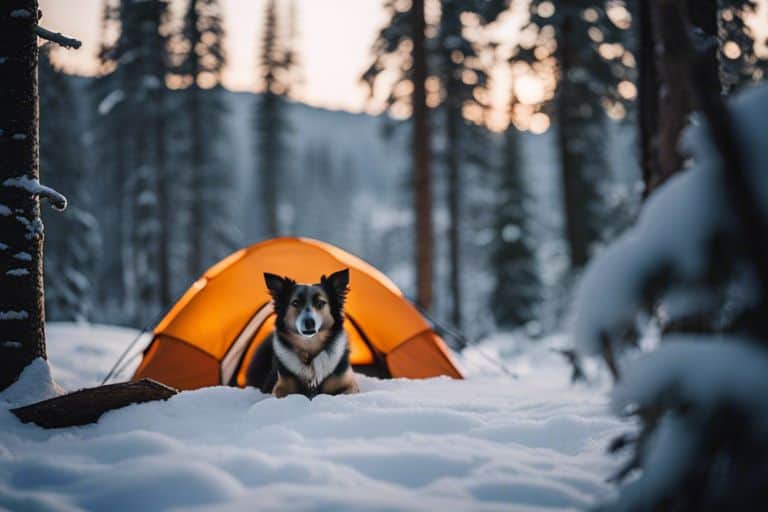
Venturing out into the wintry wilderness with your furry friend can be an exciting and rewarding experience. However, it’s important to ensure that you are fully prepared to keep both you and your pet safe and comfortable. Here are some essential tips to make sure your winter camping trip with your pet is a success.
First and foremost, it’s crucial to pack extra layers and insulated gear for your pet to keep them warm in the cold temperatures. Additionally, make sure your pet has their own sleeping bag or insulated pad to rest on. It’s also important to bring along adequate food and water for your pet, as well as a first aid kit designed for pets. Lastly, be mindful of potential dangerous wildlife that may be more active during the winter months, and keep your pet on a leash at all times to ensure their safety.
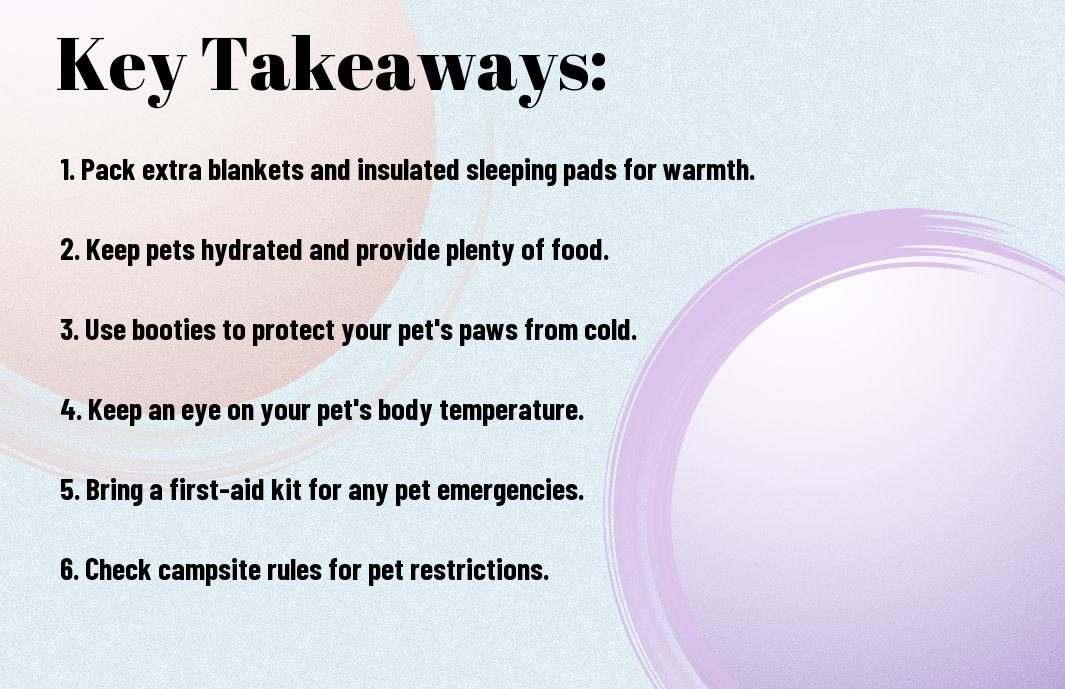
Key Takeaways:
- Plan for cold weather: Make sure to bring appropriate gear for your pet, including insulated sleeping pads, warm coats, and booties to protect their paws from ice and snow.
- Choose pet-friendly campgrounds: Research and choose campgrounds that are pet-friendly and offer amenities such as pet waste stations and pet-friendly trails.
- Stay hydrated: Keep your pet hydrated with access to clean water and consider bringing a portable water bowl for on-the-go hydration.
- Keep an eye on your pet: Keep a close eye on your pet in cold weather to ensure they are not showing signs of hypothermia or frostbite, and provide them with a warm shelter if needed.
- Be mindful of wildlife: Be aware of wildlife in the area and keep your pet on a leash to prevent any potential encounters or disturbances.
Understanding Your Pet’s Winter Needs

If you’re planning on taking your furry friend on a winter camping trip, it’s crucial to understand their unique needs in colder temperatures. Cold weather can be tough on pets, so it’s important to be prepared and make sure you’re meeting their specific needs.
Knowing Your Pet’s Cold Tolerance
If you’re bringing your pet along on a winter camping trip, it’s essential to understand their cold tolerance. Some pets, like Siberian Huskies, are built to withstand cold weather, while others, like short-haired breeds, may struggle in lower temperatures. It’s important to know your pet’s limits and be mindful of how they are handling the cold. Keep an eye on your pet’s body language and behavior to gauge how they are feeling in the cold. If they are shivering, whining, or lifting their paws off the ground, it may be a sign that they are getting too cold.
Recognizing Signs of Hypothermia and Frostbite in Pets

Understanding the signs of hypothermia and frostbite in pets is crucial for winter camping. Symptoms of hypothermia in pets include excessive shivering, lethargy, and shallow breathing. Frostbite can cause the skin to turn pale or blue, and in severe cases, the skin may become hard and cold to the touch. If you notice any of these symptoms in your pet, it’s important to warm them up gradually and seek veterinary care if necessary.
Pre-Trip Preparation and Packing
Some key considerations and preparations need to be made before embarking on a winter camping trip with your pet. Planning is crucial to ensure a safe and enjoyable experience for both you and your furry friend. To start, check the weather forecasts and trail conditions to ensure they are suitable for winter camping. Additionally, make sure to research the pet-friendly campgrounds and parks, and familiarize yourself with their rules and regulations regarding pets.
Essential Gear for Your Pet
When it comes to packing for your pet, there are a few essential items that you shouldn’t leave home without. First and foremost, make sure your furry friend has a well-fitted harness or collar with identification tags, along with a sturdy leash. This is crucial for their safety, as it will allow you to keep them under control at all times. Additionally, you’ll need to pack enough food and water for your pet, as well as collapsible bowls for them to eat and drink from. Don’t forget to bring along any medications they may need, along with a first-aid kit specifically designed for pets.
Choosing the Right Clothing and Accessories for Your Pet
When planning for a winter camping trip with your pet, it’s important to consider their comfort and safety in cold weather. Depending on the breed, age, and coat type of your pet, you may need to invest in some cold-weather gear for them. This could include a warm and waterproof coat or sweater, booties to protect their paws from ice and snow, and even a cozy sleeping bag or blanket to keep them warm at night. Keep in mind that some pets, such as short-haired breeds or seniors, may need extra protection from the cold, so it’s important to choose the right clothing and accessories for your pet based on their individual needs.
Selecting a Pet-Friendly Camping Destination
Lastly, when it comes to choosing a pet-friendly camping destination, there are a few key factors to consider. Not all campgrounds and parks are pet-friendly, so it’s important to do your research and select a destination that welcomes your furry friend with open arms. Look for campgrounds that have designated pet areas, pet-friendly trails, and pet-friendly amenities such as water bowls and waste disposal stations.
Researching Pet-Friendly Campgrounds and Trails
When researching pet-friendly campgrounds and trails, be sure to check for any restrictions or specific rules for pets. Some areas may require pets to be kept on a leash at all times, while others may have designated off-leash areas. Look for campgrounds and trails that are well-maintained and provide access to clean water sources for your pet. Additionally, consider the terrain and level of difficulty of the trails to ensure they are suitable for both you and your pet.
Understanding the Local Wildlife and Safety Concerns
It’s important to also research and understand the local wildlife and safety concerns in the area you plan to visit. Be aware of any potential hazards such as dangerous animals or poisonous plants that could pose a threat to your pet. Additionally, familiarize yourself with any wildlife conservation efforts in the area and be respectful of the local wildlife. Keep your pet safe by being cautious and knowledgeable about potential dangers.
By selecting a pet-friendly camping destination and thoroughly researching the specific pet-friendly campgrounds and trails, you can ensure your pet has a safe and enjoyable experience in the great outdoors. Understanding the local wildlife and potential safety concerns will also help you and your pet stay out of harm’s way. With these tips in mind, you can confidently plan a pet-friendly winter camping trip that will create lasting memories for you and your furry friend.
Setting Up a Safe and Comfortable Campsite
Your pet’s safety and comfort are top priorities when camping in the winter. It’s important to take the necessary steps to ensure your furry friend has a cozy and secure place to rest after a day of outdoor adventures.
Ensuring Adequate Shelter and Warmth for Your Pet
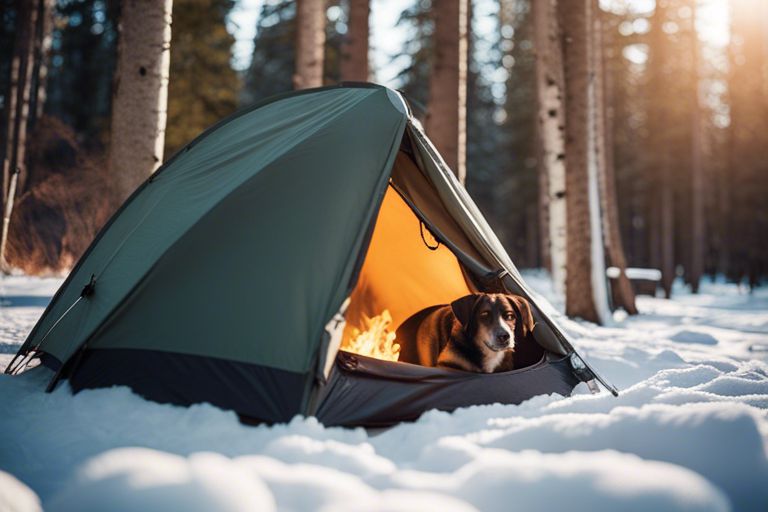
When setting up your campsite, make sure your pet has a warm and insulated shelter to retreat to. Consider bringing a pet-friendly tent or investing in a portable pet shelter to keep them protected from the elements. Additionally, bring along plenty of blankets and a cozy bed to keep them warm while they rest. If temperatures are extremely low, consider using a pet-safe heating pad or a thermal sleeping bag to provide extra warmth.
Pet-Proofing the Campsite
It’s essential to pet-proof your campsite to keep your furry friend safe. Store all food and trash in secure containers to prevent your pet from getting into anything potentially dangerous. Keep an eye out for any hazards such as sharp objects, toxic plants, or areas that could pose a danger to your pet. Additionally, keep them on a leash or within a confined area to prevent them from wandering off and getting lost in unfamiliar surroundings.
As you prepare for a winter camping trip with your pet, consider these tips to ensure their safety and comfort. By providing adequate shelter and warmth, along with pet-proofing your campsite, you can create a secure and enjoyable environment for your furry companion. Always be mindful of potential hazards and take the necessary precautions to keep your pet safe and happy during your winter camping adventure. Remember, their well-being is in your hands, so take the extra steps to make it an enjoyable experience for both of you.
Nutrition and Hydration for Your Pet in Cold Conditions
Despite the chilly temperatures, winter camping with your furry friend can be an exhilarating experience. However, it’s crucial to pay extra attention to your pet’s nutrition and hydration needs in such cold conditions. In this chapter, we’ll discuss how to adjust your pet’s diet for winter camping and the importance of maintaining proper hydration in the cold.
Adjusting Your Pet’s Diet for Winter Camping
When you’re preparing for winter camping with your pet, it’s essential to consider their dietary needs. In colder temperatures, your pet may require more calories to maintain their body temperature. You can achieve this by increasing their food portions or providing them with energy-dense foods. Look for pet foods with higher fat content, which can help your pet stay warm and energized during the camping trip. Additionally, make sure to pack enough food for your pet to last the entire trip and consider bringing a little extra in case of unforeseen circumstances.
Maintaining Proper Hydration in the Cold
Proper hydration is just as important in cold weather as it is in hot weather. However, your pet may not feel as thirsty in the cold, which can lead to dehydration. It’s crucial to encourage your pet to drink water regularly, even if they don’t seem as thirsty as they would in warmer conditions. You can add a little bit of warm water to their food to increase their water intake. Additionally, consider bringing a portable water heater to prevent their water from freezing. Dehydration can lead to serious health issues for your pet, so it’s important to keep a close eye on their water intake.
Keeping Your Pet Active and Engaged
After getting settled at your winter campsite, it’s important to keep your pet active and engaged to prevent boredom and ensure they get enough exercise. According to Country Living, ’25 Camping With Dogs Tips, Tricks, and Top Gear’ can provide some helpful insights into keeping your pet entertained while camping.
Safe Winter Activities and Exercises for Your Pet
During winter camping trips, it’s crucial to keep your pet active with safe and engaging activities. Take your furry friend for a brisk walk or hike to explore the snowy surroundings. You can also engage in a game of fetch using a brightly colored ball or frisbee to keep them moving. Just ensure you’re staying on pet-friendly trails and that your pet is properly leash trained to avoid any unwanted accidents. Providing mental stimulation is equally important, so consider bringing along interactive toys or puzzles to keep your pet mentally engaged indoors when the weather is too harsh to be outside.
Protecting Your Pet’s Paws and Joints During Winter Play
While you want to keep your pet active during winter camping, it’s essential to protect their paws and joints from the cold and potential hazards. Investing in a pair of dog booties can shield your pet’s paws from snow, ice, and salt, preventing irritation and potential injury. Additionally, consider incorporating joint-friendly exercises like low impact play and gentle stretching to avoid any strain on your pet’s joints during the cold weather. Remember that not all winter activities are suitable for every pet, so always be mindful of how your furry friend is feeling and adjust their activities accordingly.
In summary, keeping your pet active and engaged during winter camping is essential for their physical and mental well-being. By incorporating safe winter activities and exercise, and taking precautions to protect their paws and joints, you can ensure that your pet enjoys a healthy and fun winter camping experience.
Emergency Situations and First-aid
However, even with the best planning, emergencies can still occur while winter camping with your pet. It’s crucial to be prepared to handle any unexpected situations that may arise. Whether it’s a minor injury or a more serious emergency, knowing how to react can make all the difference in keeping your pet safe and healthy. To learn more about handling emergency situations and first-aid, check out this article on 8 Must-Knows for Winter Camping & Hiking with Your Dog.
Preparing a Pet-Specific First Aid Kit
When preparing for winter camping with your pet, it’s essential to pack a first aid kit specifically tailored to your furry companion’s needs. In addition to the basics like bandages, antiseptic wipes, and tweezers, make sure to include pet-specific items such as styptic powder for stopping minor bleeding, a pet thermometer, and any medications your pet may need. You can also include your veterinarian’s contact information and any special instructions for administering medication.
Recognizing and Reacting to Emergencies in the Wilderness
Recognizing and reacting to emergencies in the wilderness is a crucial skill for any pet owner embarking on winter camping adventures. Look out for signs of hypothermia, frostbite, or cuts and scrapes from icy terrain. If your pet shows any signs of distress, it’s important to act quickly. Familiarize yourself with basic first aid techniques for pets, such as CPR and how to handle injuries. In addition, having a plan for evacuating your pet in case of an emergency is essential. Knowing the signs of trouble and how to react could save your pet’s life.
By preparing a pet-specific first aid kit and being knowledgeable about recognizing and reacting to emergencies in the wilderness, you can ensure that you and your furry companion are well-equipped to handle any unexpected situations that may arise during your winter camping adventure. Remember, being proactive and prepared is the best defense against potential dangers.

Top Tips for Pet-Friendly Winter Camping
Upon reflecting on these top tips for pet-friendly winter camping, you are now equipped with the knowledge and tools needed to ensure a safe and enjoyable experience for both you and your furry friend. By following these recommendations, you can minimize the risks associated with cold weather camping and create lasting memories with your pet. Remember to always prioritize the health and well-being of your pet, and be prepared for any unexpected challenges that may arise during your winter camping trip.
Overall, by implementing these top tips, you can confidently navigate the winter camping experience with your pet by your side. Remember to stay informed about weather conditions, plan ahead, and pack accordingly to ensure a successful and enjoyable trip. With the right preparation and mindset, you and your pet can make the most of the winter camping season and create lasting memories together in the great outdoors.
FAQ
Q: What are some essential tips for pet-friendly winter camping?
A: When winter camping with pets, it’s important to pack extra insulation for your tent, bring plenty of food and water for your furry friend, and be mindful of their exposure to cold temperatures. Make sure to also bring along a pet first aid kit and keep your pet securely leashed at all times to prevent them from getting lost in snowy conditions.
Q: How can I ensure my pet stays warm during winter camping?
A: To ensure your pet stays warm during winter camping, consider investing in a pet-friendly sleeping bag or insulated blanket. You can also create a cozy sleeping area for them inside the tent, using blankets or a pet bed. Additionally, be sure to monitor your pet for signs of hypothermia, such as shivering, lethargy, and weakness, and take measures to warm them up if needed.
Q: What should I consider when choosing a winter camping destination with my pet?
A: When choosing a winter camping destination with your pet, consider factors such as pet-friendly campgrounds, pet restrictions, and access to pet-friendly trails. It’s important to research the rules and regulations of the campground or park you plan to visit, as well as any specific guidelines for pet behavior and safety. Additionally, be mindful of wildlife in the area, as some animals may pose a threat to pets, especially in colder months.
0 Comments