

If you’ve ever experienced the discomfort of sunburned eyes after a day of winter hiking, you know just how painful and irritating it can be. The reflection of the sun off the snow can cause serious damage to your eyes, leading to redness, swelling, and intense pain. But fear not, because in this post, we’re going to cover the most effective ways to treat sunburned eyes and get back to enjoying the great outdoors.
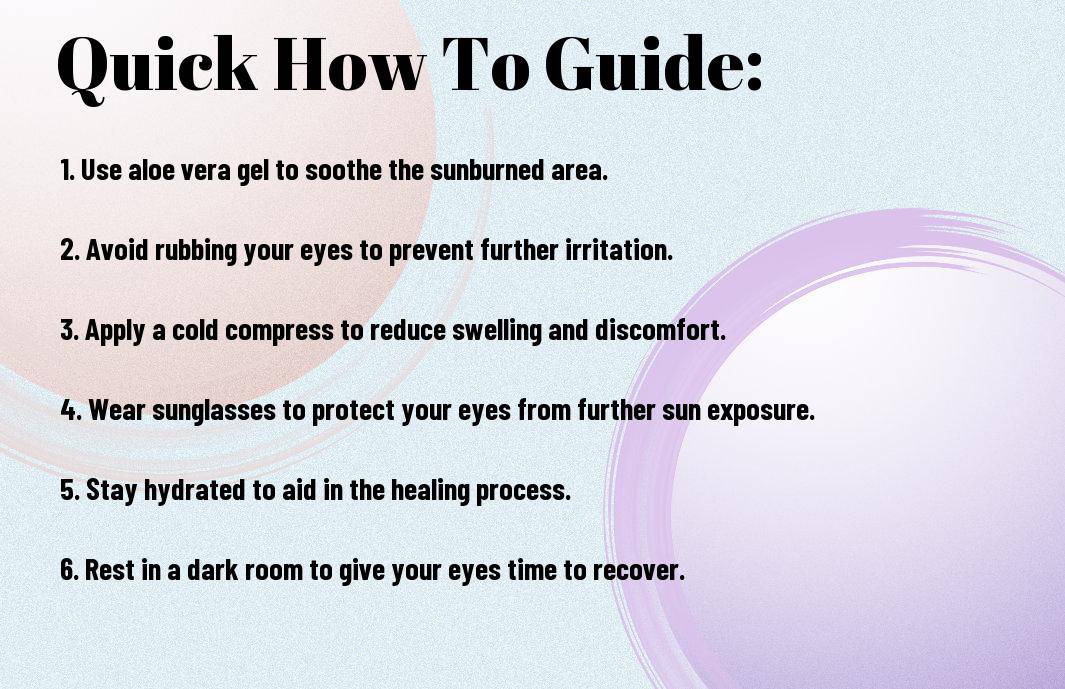
The first step in treating sunburned eyes is to promptly seek relief from the discomfort and reduce the risk of long-term damage. You’ll want to start by avoiding further exposure to UV rays, whether it’s from the sun or any other bright light sources. It’s also crucial to apply a cold compress to help reduce inflammation and ease the pain. Additionally, avoid rubbing your eyes, as this can further irritate the delicate skin and worsen the symptoms. By following these steps, you can effectively treat sunburned eyes and prevent any long-term damage to your vision.
Key Takeaways:
- Wear sunglasses: It is important to protect your eyes from UV rays by wearing sunglasses while hiking in snowy conditions to prevent sunburned eyes.
- Use eye drops: If you experience irritation or dryness in your eyes after winter hiking, use lubricating eye drops to soothe and hydrate the eyes.
- Avoid rubbing your eyes: Rubbing sunburned eyes can further irritate the delicate skin, leading to more discomfort and potential damage.
- Seek medical attention if necessary: If symptoms persist or worsen, it is important to consult an eye care professional for proper treatment and advice.
- Stay hydrated: Drinking plenty of fluids can help keep your eyes and skin hydrated, reducing the risk of sunburn and irritation during winter hiking.
Factors Contributing to Sunburned Eyes in Winter
Some factors that contribute to sunburned eyes while winter hiking include:
- Reflection of UV Rays on Snow
- Altitude and UV Exposure
- Duration of Exposure Outdoors
- Previous Eye Conditions or Sensitivities

Assume that each of these factors can significantly increase your risk of sunburned eyes during winter outdoor activities.
Reflection of UV Rays on Snow
When you are winter hiking, the sun’s UV rays can be reflected off the snow and into your eyes. This can result in increased exposure to harmful UV radiation even when wearing protective eyewear. The intensity of the reflection is enhanced due to the fresh and unblemished nature of snow cover in the winter.
Altitude and UV Exposure
When hiking at higher altitudes, you are closer to the sun and are exposed to higher levels of UV radiation. The atmosphere at higher altitudes also filters less UV radiation, putting your eyes at a greater risk of sunburn if they are not properly protected. This is especially important to consider when planning a winter hiking trip in mountainous regions.
Duration of Exposure Outdoors
The amount of time you spend outdoors during your winter hike can also impact the risk of sunburned eyes. Prolonged exposure to UV rays without adequate protection can increase the chances of eye damage. It is important to be mindful of the length of time you spend outdoors and take necessary precautions.
Previous Eye Conditions or Sensitivities
If you have had previous eye conditions or sensitivities, you may be at a higher risk of sunburned eyes during winter hiking. Conditions such as dry eye syndrome or photosensitivity can make your eyes more susceptible to UV damage. It is important to be aware of any past concerns and take the necessary precautions to protect your eyes while outdoors.
How to Prevent Sunburned Eyes
Unlike the skin on your body, your eyes are often overlooked when it comes to sun protection. However, sunburned eyes can be extremely painful and irritating, especially after a winter hiking trip. To prevent this from happening, it is important to take proactive measures to protect your eyes from the sun’s harmful UV rays.
Selecting the Right Eyewear
When it comes to preventing sunburned eyes, choosing the right eyewear is crucial. Look for sunglasses that offer 100% UV protection to shield your eyes from both UVA and UVB rays. Opt for wrap-around styles or those with large lenses that cover a greater area and provide better protection. Additionally, consider polarized lenses to reduce glare and further protect your eyes from harmful sun exposure.
Wearing Hats or Visors
In addition to sunglasses, wearing a wide-brimmed hat or visor can provide added protection for your eyes. A hat with a brim that extends at least three inches all around will help shield your face, including your eyes, from direct sunlight. This extra layer of defense can significantly reduce the risk of sunburned eyes during your winter hiking adventures.
Applying Sunscreen on Eyelids and Surrounding Areas
To fully protect your eyes, it’s important to apply sunscreen to your eyelids and the surrounding areas. Choose a sunscreen with at least SPF 30 and apply it gently to these delicate areas, making sure to avoid direct contact with your eyes. Protecting the skin around your eyes can help prevent sunburn and reduce the risk of irritation caused by prolonged exposure to the sun.
Planning Your Hike to Avoid Peak Sunlight Hours
One of the most effective ways to prevent sunburned eyes is to plan your winter hike to avoid peak sunlight hours. The sun’s rays are typically strongest between 10 a.m. and 4 p.m., so scheduling your hike earlier in the morning or later in the afternoon can help minimize direct sun exposure. Not only will this protect your eyes, but it will also reduce the overall risk of sunburn and heat-related issues.
Tips for Immediate Response to Sunburned Eyes
Keep your eyes protected by wearing sunglasses as soon as you suspect sunburned eyes. The sunglasses should have UV protection to shield your eyes from further damage.
- Consider using a cold compress or ice pack wrapped in a clean cloth to soothe the affected area
- Stay indoors and away from bright light to minimize discomfort and further exposure to UV rays
- Apply lubricating eye drops to help with dryness and irritation
Knowing the right steps to take immediately after exposure is crucial in preventing further damage to your eyes and promoting quick healing.
Recognizing the Symptoms of Sunburned Eyes
When your eyes are sunburned, you may experience symptoms such as redness, pain, sensitivity to light, tearing, and a gritty sensation. In severe cases, you may also notice blurred vision, swelling, or even vision loss. If you experience any of these symptoms after spending time in the snow, it’s important to take immediate action to address the issue.
Steps to Take Immediately After Suspecting Eye Sunburn
If you suspect that your eyes have been sunburned during winter hiking, the first step is to get indoors or seek shade to reduce UV exposure. Once indoors, gently rinse your eyes with cool water to remove any irritants. Avoid rubbing your eyes, as this can exacerbate the irritation. Applying a cold compress and using lubricating eye drops can also provide relief and promote healing. If the symptoms persist or worsen, it’s crucial to seek medical attention promptly to prevent long-term damage to your eyes.
Medical Treatments and Remedies
To properly treat sunburned eyes from winter hiking, it’s important to understand the various medical treatments and remedies available. Knowing your options will help you find the most effective solution for your condition.
Over-the-Counter Solutions
If you’re experiencing discomfort from sunburned eyes, over-the-counter solutions can provide relief. Lubricating eye drops can help soothe dryness and irritation, while non-prescription antihistamine eye drops can reduce inflammation and itching. When choosing over-the-counter eye drops, look for products specifically designed for dry, irritated eyes to ensure you’re getting the right treatment for your condition. Additionally, wearing sunglasses with UV protection can help shield your eyes from further damage and promote healing. Remember to follow the recommended usage instructions and consult with a healthcare professional if your symptoms persist or worsen.
Prescription Medications and Consultations
If your sunburned eyes require more advanced treatment, your healthcare provider may prescribe medications such as corticosteroid eye drops to reduce inflammation or antibiotic ointments to prevent infection. It’s important to seek medical attention if you experience severe pain, blurred vision, or extreme sensitivity to light, as these may indicate a more serious condition that requires professional care. Your healthcare provider can also conduct a comprehensive eye examination to assess the extent of the damage and provide personalized recommendations for your recovery.
Home Remedies and Their Effectiveness
While over-the-counter treatments and prescription medications are important for sunburned eyes, you can also incorporate home remedies to support your recovery. Applying cool compresses or soaking a washcloth in cold water and placing it over your closed eyes can provide soothing relief. Aloe vera gel, known for its anti-inflammatory properties, can also be applied gently around the eyes to alleviate discomfort. However, remember that home remedies should not replace professional medical advice, especially in severe cases. Always consult with your healthcare provider before trying new home remedies to ensure they are safe and suitable for your condition.

Long Term Care and Monitoring
Not only is it crucial to treat your sunburned eyes immediately following a winter hike, but it is also important to monitor and care for them in the long term to avoid any potential complications. Here’s what you need to know about long-term care and monitoring for sunburned eyes.
Follow-Up Eye Examinations
After experiencing sunburned eyes from winter hiking, it is essential to follow up with your eye doctor for a comprehensive eye examination. Your eye doctor can assess the extent of the sun damage and provide tailored treatment recommendations. They will also check for any signs of infection or other complications that may have developed. Depending on the severity of the sunburn, multiple follow-up appointments may be necessary to monitor your recovery progress and ensure that your eyes are healing properly.
Monitoring for Secondary Complications
During the recovery process, it is important to monitor your eyes for any potential secondary complications that may arise. Keep an eye out for symptoms such as increased light sensitivity, persistent eye redness, excessive tearing, or changes in vision. These could be signs of an infection or other issues that require immediate attention. If you experience any of these symptoms, you should contact your eye doctor right away for further evaluation and treatment.
Importance of Rest and Reducing Eye Strain
Rest is crucial for allowing your sunburned eyes to heal properly. Avoid activities that strain your eyes, such as prolonged screen time or reading in dim lighting. Give your eyes the opportunity to rest and recover by taking frequent breaks from visually demanding tasks. Additionally, be mindful of protecting your eyes from further sun exposure by wearing UV-protective sunglasses when outdoors. By prioritizing rest and minimizing eye strain, you can support the healing process and reduce the risk of complications.
How to Gradually Resume Outdoor Activities
Despite the discomfort of sunburned eyes, when you start to feel better, you may be eager to resume your outdoor activities. However, it’s important to do so gradually and with caution to avoid further damage. According to a guide from WTOP, it’s crucial to take steps to prevent future sunburned eyes as you gradually return to hiking and other outdoor activities.
Assessing When It’s Safe to Return to Hiking
Before you dive back into hiking, it’s essential to assess whether your eyes have fully recovered from the sunburn. You can do this by paying attention to how your eyes feel, as well as how they look. If you still experience pain, redness, or irritation, it’s best to wait a little longer before hitting the trails again. Consulting with an eye care professional can also provide valuable insight into the state of your eyes and when it is safe to resume outdoor activities.
Protective Measures for Future Hikes
When you do decide to return to hiking, you should take extra precautions to protect your eyes from future sunburn. This includes wearing UV-protective sunglasses and a wide-brimmed hat to shield your eyes from direct sunlight. Additionally, using lubricating eye drops can help keep your eyes moisturized and prevent them from drying out during your outdoor adventures. These protective measures are essential to prevent further damage and ensure a more comfortable hiking experience.
Building up Tolerance to Sun Exposure Responsibly
As you gradually resume outdoor activities, it’s important to build up tolerance to sun exposure responsibly. Start with short hikes during times of the day when the sun’s rays are less intense, such as early morning or late afternoon. Slowly increase the duration and intensity of your hikes as your eyes become more accustomed to sunlight. This gradual approach allows your eyes to adapt to the sun’s brightness and reduces the risk of sunburned eyes recurring.
The Importance of Treating Sunburned Eyes from Winter Hiking
The health of your eyes is crucial, especially after a winter hiking trip where they may have been exposed to harmful UV rays for extended periods. By taking steps to treat sunburned eyes, you can prevent further damage and discomfort. Remember to prioritize wearing protective eyewear during your next hiking trip to avoid such an issue in the future.
With the right care and attention, sunburned eyes can heal and return to their normal state. It’s important to remember that prevention is key, so be sure to take measures to protect your eyes in the future. By following these steps and keeping a close eye on your eye health, you can ensure that you continue to enjoy outdoor activities such as winter hiking without any unnecessary discomfort. Take care of your eyes, and they’ll take care of you!
FAQ
Q: Can your eyes get sunburned during winter hiking?
A: Yes, sunburned eyes, also known as photokeratitis, can occur during winter hiking due to the reflection of sunlight off snow and ice.
Q: What are the symptoms of sunburned eyes?
A: Symptoms may include eye pain, redness, tearing, sensitivity to light, and a gritty sensation in the eyes.
Q: How can I treat sunburned eyes from winter hiking?
A: To treat sunburned eyes, it is important to rest the eyes, avoid bright light, use cold compresses, and seek medical attention if the symptoms persist.
Q: How can I prevent sunburned eyes during winter hiking?
A: To prevent sunburned eyes, wear UV-protective sunglasses, a wide-brimmed hat, and use artificial tears to keep the eyes lubricated. It is also important to take regular breaks in shaded areas.
Q: When should I seek medical attention for sunburned eyes?
A: If the symptoms of sunburned eyes persist for more than 48 hours despite home treatment, or if there is severe pain or vision changes, it is important to seek medical attention from an eye care professional.
0 Comments