
Going camping is a great way to explore nature and escape the hustle and bustle of day-to-day life. But before you head out, it’s important to make sure you have all the essential supplies for your trip – including vitamins and minerals!
Taking the right supplements can help keep your energy levels up during long hikes and ensure that you get enough nutrients while away from home. In this article, we’ll discuss how to choose the right vitamin and mineral supplements for your next camping adventure so you can enjoy every moment in nature without worrying about your health.
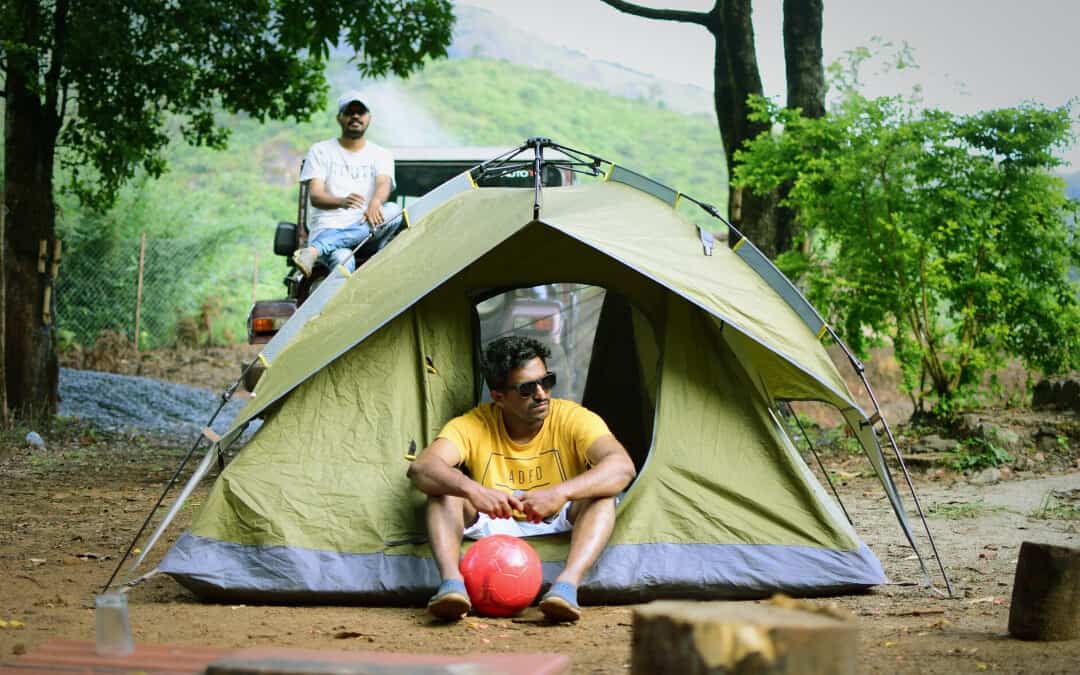
When selecting vitamins and minerals for your camping trip, it’s important to consider two key factors: 1) what type of activity you will be doing; 2) how long you plan on being away.
Depending on these variables, there are certain supplements that may or may not benefit you. We’ll provide tips on which ones to pick so that when it comes time to hit the trails, you can feel confident knowing that all your nutritional needs are taken care of!
Understanding The Role Of Vitamins And Minerals

Vitamins and minerals are essential for optimal health, especially when embarking on a camping trip. Without them, one risks feeling fatigued or ill during the outdoor adventure. ‘Tis true that with proper nutrition, many of these nutrients can be acquired from food sources; however, taking supplements may provide an added layer of protection against deficiencies.
It is important to remember that vitamins and minerals work together synergistically in order to maintain balance within the body – something known as homeostasis. For example, calcium is not just beneficial for strong bones; it is also needed for muscle contractions and metabolism regulation. Similarly, vitamin C helps with collagen production but also assists in iron absorption and wound healing.
A variety of products are available on the market today designed to meet specific needs depending on age, sex, diet preferences and activity levels. Be sure to read labels carefully and consult with a physician prior to use if you have any concerns related to allergies or drug interactions.
With some planning ahead of time, choosing the right vitamins and minerals for your camping trip will ensure you have all the energy and vitality necessary to make lasting memories!
Evaluating Your Activity Level And Trip Length
When it comes to choosing the right vitamin and mineral supplements for your camping trip, evaluating your activity level and trip length are two important considerations.
To start, assess how active you plan on being during the duration of your camping excursion. Will there be a lot of hiking? Swimming? Climbing? Knowing what type of physical exertion you’ll undertake can help determine the kinds of vitamins and minerals that might best suit your needs:
-
A more physically taxing trip may require higher doses of magnesium or iron to prevent fatigue.
-
If you’re planning on a long stay outdoors, consider taking an extra dose of Vitamin D3 every day as it helps maintain healthy bones, muscles, teeth and immune system functioning in addition to promoting regular cell growth throughout the body.
-
For shorter trips where intense activities won’t be undertaken, try multi-vitamin tablets with B-complex vitamins which can assist in energy metabolism and reduce stress levels while providing essential nutrients like zinc and selenium for overall health maintenance.
-
Additionally, depending on your diet preferences or allergies, look into probiotic supplements containing beneficial bacteria for digestive comfort and general wellbeing during your journey too!
With these factors taken into account when selecting the appropriate dietary supplement regimen before embarking on any outdoor adventure, rest assured that you will have all the tools necessary to remain energized and healthy no matter where life takes you!
Looking For Quality Supplements
Now that you know your activity level and trip length, it’s time to look for quality supplements.
When shopping around, make sure the products are organic, non-GMO certified, and third party tested. This will ensure they contain few (if any) harmful fillers or artificial ingredients.
Also check if the supplement includes a blend of vitamins and minerals specifically tailored towards athletes or outdoor adventurers. Such formulas usually have higher doses of magnesium, iron, potassium and zinc – all essential micronutrients for an active lifestyle!
Keep in mind that different lifestyles require different dosage regimens. For instance, vegetarians may need additional B12 supplementation since their diet is typically low in animal proteins; on the other hand, people with digestive issues should opt for liquid or chewable forms as these can be easier to absorb.
And lastly, remember to read labels carefully: some multivitamins could include ingredients like caffeine or sugar which may not be suitable for everyone.
Once you’ve selected the right supplement suited to your needs, store them properly by keeping them away from heat sources like direct sunlight or extreme temperatures — this way they’ll remain potent until you need them!
With proper preparation and research into what works best for you, you can get out there with confidence knowing that your body has everything it needs to stay energized throughout your camping adventure.
Supplementation For Energy
Taking the right supplements to keep your energy levels up during a camping trip is essential. It’s like having a trusty sidekick that helps you push through those long hikes and keeps your spirits high when things get tough.
Here are three key vitamins and minerals to help give you an extra boost while camping:
-
Vitamin B12: Helps convert carbohydrates into glucose in order to create energy for the body
-
Iron: Aids oxygen transport throughout the body, providing more energy for physical activities
-
Magnesium: Can reduce fatigue associated with outdoor activity by helping muscles use glycogen for energy
Whether you’re tackling difficult terrain or simply need some extra motivation, these vitamins and minerals can be your lifesaver on any camping trip. Whether it’s in pill form or as part of a larger supplement routine, make sure you take care of yourself so you can focus on enjoying every moment of nature!
Choosing Vitamin D And K
Having discussed the importance of energy-boosting supplements for a successful camping trip, let’s move on to two essential vitamins that are especially important when out in nature: Vitamin D and K.
The sun is our primary source of Vitamin D, which helps keep bones strong and healthy by regulating calcium absorption. But it can be difficult to get enough sunlight during a camping trip if you’re stuck in the woods or mountains without much exposure. That’s why bringing along an oral supplement with vitamin D3 is recommended if you’re spending more than one day outdoors.
Vitamin K also plays a role in bone health, but its main benefit lies in helping blood clot normally so your body can heal wounds quickly should you hurt yourself while adventuring. Look for both fat-soluble vitamins together as they work synergistically to support your overall wellness and ensure you stay active all weekend long!
Ensuring Adequate Vitamin B Intake
Going on a camping trip can be an exciting adventure, but it’s important to make sure you have the right vitamins and minerals with you.
Vitamin B is one of the most essential supplements for any outdoor excursion, as it helps your body maintain energy levels while out in nature.
When choosing a vitamin B supplement for your camping trip, look for high-quality products that contain all eight members of the B complex family: thiamine (B1), riboflavin (B2), niacin (B3), pantothenic acid (B5), pyridoxine (B6), biotin (B7), folate/folic acid (B9) and cobalamin (B12).
If you opt for a multivitamin tablet or capsule, check the label carefully to make sure each type of B vitamin is included.
For quick access to energy during strenuous activities like hiking or canoeing, consider bringing along some snacks containing sources of natural vitamin B such as whole grains, lean meats, nuts and seeds.
These foods will help keep your metabolism running smoothly so you can enjoy every minute of your camping getaway!
Iron Supplements For Endurance
Iron is essential for maintaining energy levels and physical endurance during strenuous activities, such as camping trips. For those looking to get the most out of their experience in the great outdoors, taking iron supplements can be a smart decision.
Here are some key benefits of consuming supplementing with iron:
- Iron helps produce red blood cells that carry oxygen throughout your body
- It boosts mental performance so you stay alert and focused on your tasks
- Increases energy production while helping battle fatigue and improving stamina
Adding an iron supplement to your routine before heading out on a camping trip will help ensure you have enough energy to tackle any challenges or obstacles presented by mother nature. Not only will it keep you energized but also improve focus when trying to accomplish complex tasks like building campfires or setting up tents.
Taking these precautions ahead of time eliminates potential issues down the road and allows you to maintain peak performance throughout your journey. Taking the right vitamins and minerals can make all the difference in having a successful outdoor adventure.
Obtaining Enough Zinc And Magnesium
Having enough iron is essential for any outdoor camping trip, but it’s not the only supplement you should consider.
Zinc plays an important role in metabolic processes such as wound healing, immune system functioning and cell division. You may find it difficult to obtain enough zinc through diet alone while on your camping trip, so it may be beneficial to take a daily supplement with at least 15 mg of zinc per serving.
Taking this mineral helps support overall health, especially during long periods spent outdoors or traveling.
Magnesium is another valuable mineral when it comes to maintaining healthy energy levels. It keeps cells functioning optimally by participating directly in protein synthesis and aiding nerve transmission throughout the body. A good magnesium supplement will provide between 200-400 milligrams (mg) per dose – try adding one into your daily routine before heading out on a camping expedition.
Camping trips offer us the chance to connect with nature and appreciate all its wonders; make sure you give yourself the best opportunity for success by bringing along adequate amounts of essential vitamins and minerals like iron, zinc and magnesium!
Armed with knowledge about how much of each nutrient your body needs, you’ll have no trouble staying energized throughout your journey away from home.
Keeping Track Of Your Intake
Planning a camping trip is an exciting experience, but it’s important to consider your nutritional needs as well. According to research from the CDC, about one-third of adults in the U.S. take dietary supplements on a regular basis. If you’re going away for more than several days, bringing along vitamin and mineral supplements can help keep your body healthy during your time outdoors.
Here are four tips for choosing the right vitamins and minerals for your camping trip:
-
Consider what foods will be available while camping – if you’ll have access to fresh produce or other nutrient-rich food sources then you may not need additional supplementation
-
Choose supplements with only essential vitamins and minerals that are suitable for outdoor activities such as Vitamin C, magnesium, iron and zinc
-
Make sure to read labels carefully so that you know exactly how much of each supplement is recommended
-
Talk to your doctor before taking any new supplements so that they can advise you on dosage levels
It’s also helpful to track your intake of vitamins and minerals throughout the day by writing down what you eat and any supplements taken. This way, you won’t accidentally overdose on any particular nutrients which can lead to unwanted side effects!
Keeping a record of what works best for you will ensure that all of your camping trips are safe and enjoyable experiences.
Prioritizing Calcium And Potassium
Now that you’ve got your intake tracked and in order, it’s time to start thinking about what types of vitamins and minerals are best for your camping trip.
Calcium and potassium are two key ingredients when it comes to keeping yourself healthy while hitting the trails. Not only do they help with muscle recovery after a long day on the trail, but they also support bone health, which is essential if you plan on tackling rough terrain or tough climbs.
Calcium is important for building strong bones as well as supporting other bodily functions like nerve transmission, muscle contraction and blood clotting. In addition to dairy products such as milk or yogurt, calcium can be found naturally in nuts, legumes and dark leafy greens like spinach or kale. If you’re looking for a supplement form of calcium, there are many options available ranging from chewable tablets to liquid drops.
Potassium helps regulate water balance in cells as well as maintain normal heart rhythm, so having enough of it during your camping trip will go a long way towards keeping you feeling energized throughout the day. It can be obtained through food sources such as bananas, potatoes, avocados and almonds; however, if you want an extra boost then opting for a potassium-rich supplement might be a good option too. Just make sure to consult with your doctor first before adding any new supplements into your routine!
So whether you choose natural foods or dietary supplements as part of your camping trip diet regimen – prioritize incorporating both calcium and potassium into your daily meal plan every chance you get. Your body will thank you later!
Supplementing With Vitamin C
Heading out on a camping trip is always an exciting endeavor. The sheer exhilaration of being in the outdoors and connecting with nature can’t be denied, leaving many feeling energized, inspired, and ready for adventure.
When it comes to ensuring optimal health during your camping experience however, supplementing with vitamin C may just be what you need. Vitamin C is an essential micronutrient that helps protect against illness-causing pathogens and unwanted viruses while also supporting immune function at the same time. It’s water soluble which makes it easier for our bodies to absorb and use quickly. Plus, its antioxidant properties act as a shield from damaging free radicals that contribute to premature aging and cellular damage within our bodies – something no one wants when out enjoying the great outdoors!
In addition to protecting us from environmental pollution we may encounter during camping trips, Vitamin C works hard to support healthy skin, bones and tissue repair throughout our body systems as well as aiding in nutrient absorption so we stay fueled up for whatever activity lies ahead. Taking a daily regimen of vitamin C will provide peace of mind knowing you are doing everything possible to keep yourself safe and functioning optimally during your outdoor excursion.
Storing Supplements Safely And Effectively
Once you’ve chosen the right vitamin and mineral supplements for your camping trip, it’s important to make sure they are stored safely and effectively. To ensure that your supplements stay in optimal condition, there are several key steps you can take.
First, keep any opened bottles of vitamins or minerals away from dampness and direct sunlight. This will help them maintain their potency and prevent them from spoiling quickly.
If you’re going on a long-term camping trip, it’s a good idea to store the bottles in an airtight container or ziplock bag to protect them from moisture and humidity. Additionally, store each bottle at room temperature as extreme cold or heat can also reduce efficacy over time.
It’s essential to check expiration dates before using any supplement products. Discard any expired bottles immediately and replace with fresh ones if necessary.
Taking these simple precautions when storing vitamins and minerals will help guarantee that your supplements provide the full benefits intended — so that you can enjoy your camping experience free from worry!
Frequently Asked Questions
How Much Vitamin And Mineral Supplementation Should I Take Each Day?
Finding the right balance of vitamins and minerals for your camping trip can be like navigating a minefield – one wrong move could leave you with health issues.
When considering how much supplementation to take each day, it’s best to start with understanding your body’s needs and supplementing accordingly.
Listen to what your body is telling you; if you feel fatigued or sluggish more than usual, consider increasing your daily intake.
Even though some people may need more vitamin and mineral supplements than others, remember to not overdo it as too many supplements can have adverse effects on your health.
Are There Any Side Effects To Consider When Taking Vitamins And Minerals?
Taking vitamins and minerals can be beneficial for your camping trip, but it’s important to consider any potential side effects.
While these supplements are generally safe, certain combinations may interact with medication you’re taking or cause adverse reactions.
It’s always best to talk to a healthcare professional before beginning supplementation so that you understand the risks involved.
What Is The Best Way To Store Vitamins And Minerals While Camping?
Are you ready to take your camping trip up a notch with essential vitamins and minerals?
Storing them correctly while on the go is key!
To ensure they retain their potency, it’s best to keep supplements in airtight containers or zip-lock bags.
Store away from direct sunlight and heat sources as these can damage vitamins and minerals.
Make sure to include an ice pack when packing for long trips if storing tablets or capsules—it will help maintain their freshness!
Are There Any Special Considerations For Pregnant Women Or Children When It Comes To Vitamin And Mineral Supplementation?
Pregnant women and children have special needs when it comes to taking vitamin and mineral supplements while camping.
Vitamin A is important for pregnant women, but too much of it can be dangerous; therefore, a prenatal multivitamin with no more than 10,000 IU per day should be taken instead.
For kids, vitamins C and D are essential for healthy growth; however, liquid forms may provide the most benefit as they can absorb quickly into the body.
If you’re ever in doubt about what kind of supplement your child or partner needs on your trip – consult a doctor!
Are There Any Other Supplements That I Should Consider Taking While Camping?
Ah, the joys of camping! Nothing like a little outdoor adventure to get your blood pumping and remind you just how free you can feel.
But before you start packing up your tent or sleeping bag, don’t forget the essential: supplements! You’ve already considered vitamins and minerals for yourself or any pregnant women or kids who are tagging along – but there’s more than that to consider.
If you’re looking for another supplement to add to your arsenal, then why not try something like electrolytes? They’ll help keep your energy levels high even after long days trekking around in nature.
So when it comes time to plan out your next camping trip, remember not to leave home without proper supplementation!
Conclusion
It’s important to remember that vitamins and minerals are essential for maintaining good health.
Taking the right supplements can make all the difference when it comes to having an enjoyable camping trip.
With careful planning, you can ensure that you’re getting enough of these nutrients in your diet while on vacation.
By doing a bit of research ahead of time and consulting with your doctor or pharmacist if needed, you can figure out which vitamin and mineral supplement is best for your needs.
Alluding to this fact will help keep you safe and healthy during your next outdoor adventure!
0 Comments