
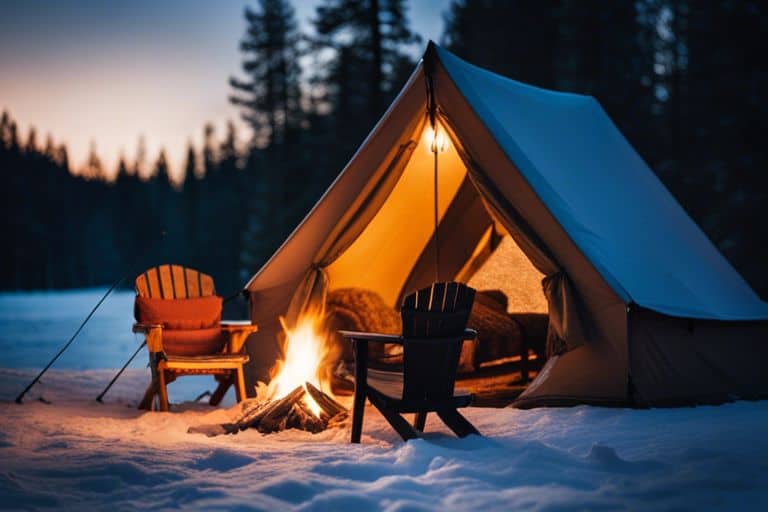
Preparing for winter tent camping can be an arduous task, but with the right strategies, you can stay warm and comfortable even in the coldest of temperatures. When braving the elements in a tent during the winter months, it’s crucial to be well-prepared to ensure your safety and enjoyment of the great outdoors.
One of the most important aspects of winter tent camping is staying warm. This includes packing proper insulation, layering clothing, and using the right sleeping bag and pad. Additionally, it’s essential to be mindful of potential hazards such as hypothermia and frostbite, and to take necessary precautions to avoid them. However, with the right equipment and knowledge, you can have a memorable and cozy winter camping experience.
Preparation for Winter Camping
The key to staying warm and cozy during winter tent camping is thorough preparation. There are several essential factors to consider before embarking on your winter camping trip, including selecting the right gear and understanding the importance of layers.
Choosing the Right Tent
When it comes to winter camping, the type of tent you choose is crucial. Look for a four-season tent with a sturdy frame and durable, weather-resistant materials. A double-wall tent with good ventilation will help minimize condensation, while a vestibule can provide extra storage space for your gear. Consider the size of the tent as well, making sure it is spacious enough to accommodate you and your gear comfortably.
Essential Gear for Staying Warm
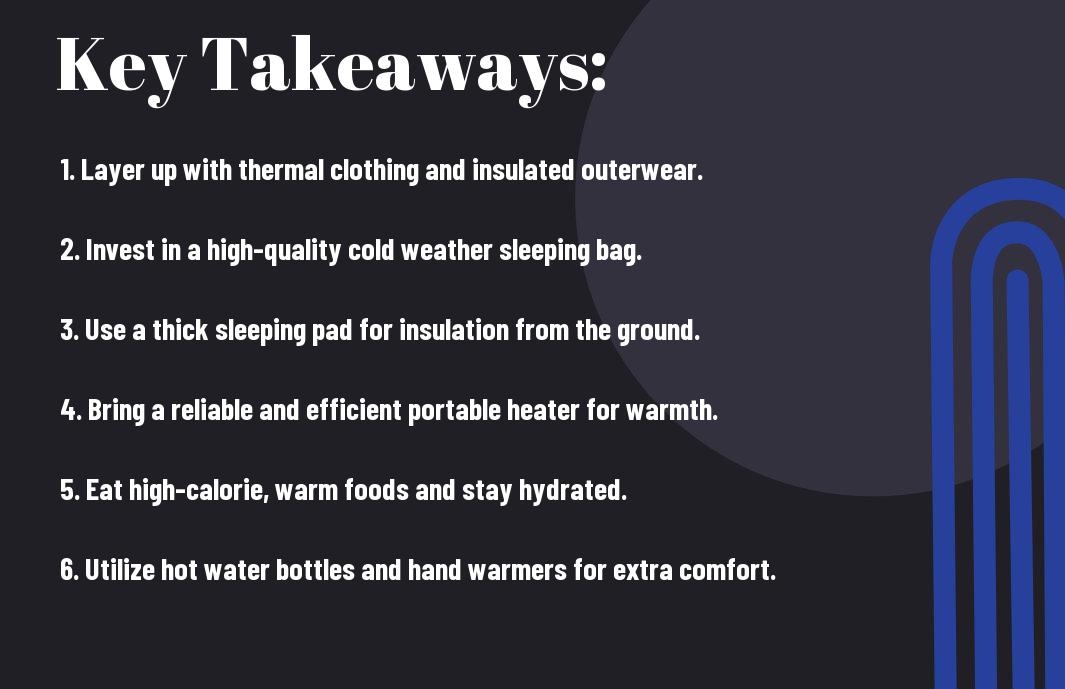
Investing in the right gear is essential for staying warm and comfortable during winter camping. An insulated sleeping pad and a high-quality sleeping bag rated for cold temperatures are crucial. Additionally, pack extra layers of clothing, including moisture-wicking base layers, insulating mid-layers, and a waterproof and windproof outer layer to protect against the elements. A warm hat, gloves, and wool socks should also be included in your gear list.
Understanding the Importance of Layers
Layering is essential for regulating body temperature and staying warm during winter camping. Wearing multiple layers allows you to adjust your clothing to changing weather conditions and activity levels. Start with a moisture-wicking base layer to keep sweat away from your skin, add insulating layers for warmth, and finish with a waterproof and windproof outer layer to protect against the elements. This versatile approach will keep you comfortable and warm throughout your camping trip.
Selecting Proper Sleeping Systems
Choosing the right sleeping system is crucial for a restful night’s sleep while winter camping. Look for a sleeping bag that is rated for the lowest temperatures you expect to encounter, and consider using a sleeping bag liner for added warmth. Pairing your sleeping bag with a high-quality insulated sleeping pad will provide essential insulation from the cold ground. Additionally, consider using a four-season tent to further protect yourself from the elements.
Planning for Nutrition and Hydration
Staying well-nourished and hydrated is essential for maintaining body temperature and energy levels during winter camping. Pack a supply of high-energy, easy-to-prepare foods that require minimal cooking and provide essential nutrients. Bring a stove and fuel for melting snow and boiling water, as well as insulated containers to keep hot liquids warm. It’s important to **stay hydrated** and consume enough calories to fuel your body in cold conditions, so plan your meals and snacks accordingly.
Setting Up Camp
Lastly, let’s talk about setting up camp for your winter tent camping trip. This is a crucial step to ensure that you stay warm and cozy throughout your stay in the great outdoors.
Finding the Perfect Campsite
When setting up camp for winter tent camping, finding the perfect campsite is key. Look for a location that is sheltered from strong winds and has natural barriers, such as trees or large rocks, to provide additional protection. Additionally, be sure to choose a spot that is not prone to flooding, as melting snow can create potential hazards. Taking the time to find a suitable campsite will make a significant difference in your overall comfort during your winter camping trip.
Tent Setup Tips for Winter Conditions
When setting up your tent for winter camping, there are several tips to keep in mind. Firstly, be sure to clear the ground of any rocks or debris that could damage your tent floor. Insulate the bottom of your tent with a thick ground cloth or insulating pad to provide additional protection from the cold ground. Use strong tent stakes to secure your tent, as winter weather conditions can be more severe and unpredictable. Additionally, consider using a four-season tent, which is designed to withstand harsh winter conditions and provide better insulation.
- Clear the ground of rocks and debris
- Insulate the bottom of your tent with a thick ground cloth or insulating pad
- Use strong tent stakes to secure your tent
- Consider using a four-season tent
Assume that the winter weather will provide challenges for setting up your tent, and take the necessary precautions to ensure a secure and comfortable shelter.
Snow Shelters and Their Benefits
One alternative to setting up a traditional tent in winter conditions is to build a snow shelter. Snow shelters, such as igloos or snow caves, can provide excellent insulation and protection from the elements. They are also relatively easy to build and can offer a unique camping experience. However, it’s important to note that building snow shelters requires knowledge and skill, so be sure to do your research and practice before attempting to construct one for your winter camping trip.
Maintaining Warmth Inside the Tent
Despite the cold temperatures outside, it is possible to stay warm and cozy inside your tent during winter camping. By utilizing proper insulation, safe heating options, and managing ventilation, you can create a comfortable and safe environment for your outdoor adventure.
Insulation Techniques
When camping in winter, it is crucial to insulate your tent to retain heat and keep out the cold. Start by choosing a tent with a strong frame and a high-quality rainfly to provide an extra layer of insulation. Additionally, consider investing in a tent footprint or ground tarp to provide an additional barrier between the tent floor and the cold ground. Inside the tent, use insulated sleeping pads and sleeping bags rated for colder temperatures to keep yourself off the ground and away from the cold. Creating a barrier between you and the ground will help prevent heat from escaping, keeping you warmer throughout the night.
Safe Tent Heating Options
While it may be tempting to bring a portable heater into your tent, it is important to consider the safety implications. Using an open flame or a traditional heater can pose significant risks, including carbon monoxide poisoning and fire hazards. Instead, opt for safer heating options such as battery-operated heated blankets, hand warmers, or electric heating pads. If you do choose to use a heater, ensure it is specifically designed for indoor use and always follow the manufacturer’s instructions for safe operation.
Managing Ventilation for Warmth and Safety
Proper ventilation is essential for maintaining a warm and safe environment inside your tent. While it may seem counterintuitive to let cold air in, good ventilation helps prevent condensation and moisture build-up, which can make the interior of the tent feel colder. Utilize vents and windows in your tent to regulate airflow, allowing fresh air to enter while expelling moisture and carbon dioxide. Additionally, be mindful of any snow or ice accumulation on the outside of your tent, as this can block ventilation and create potential hazards. By managing ventilation effectively, you can maintain a warm and comfortable atmosphere while minimizing the risk of condensation and other safety concerns.
Clothing Strategy
To stay warm and cozy while winter tent camping, your clothing strategy is crucial. You need to ensure that you are properly dressed to withstand the cold temperatures, wind, and potential precipitation that you may encounter. For detailed advice on how to stay warm in a tent, you can check out How I Stay Warm in My Tent: 11 Tips from a Colorado …
Layering Principles for Winter Camping
Layering is essential for staying warm during winter camping. The key to effective layering is to use multiple thin layers of clothing rather than one thick layer. This traps warm air between the layers, providing better insulation. Start with a moisture-wicking base layer to keep sweat away from your skin. Next, add an insulating layer such as fleece or down to retain body heat. Finally, put on a waterproof and windproof outer layer to protect you from the elements.
Accessorizing for Extremity Protection
When winter camping, protecting your extremities is crucial. In cold temperatures, the body prioritizes keeping vital organs warm over extremities, so it’s important to pay extra attention to your hands, feet, and head. Invest in quality insulated gloves, waterproof and insulated boots, and a warm hat or balaclava. Don’t forget to wear thick, moisture-wicking socks to keep your feet dry and warm.
Effective Use of Heat Packs
Heat packs can be a lifesaver during winter camping. They provide instant warmth and can be placed in your gloves, boots, or pockets to keep your hands, feet, and body warm. Activated by exposure to air, heat packs can last anywhere from a few hours to a full day, depending on the type you choose. Make sure to pack a few extra heat packs, just in case.
Winter Camping Best Practices
Now that you’ve decided to embark on a winter camping trip, it’s crucial to familiarize yourself with the best practices to ensure a safe and enjoyable experience. For valuable insights on staying warm in a tent during the winter, you can refer to 15 Tips for Keeping Warm in a Tent. These tips can provide you with the knowledge and skills needed to effectively combat the cold weather and stay cozy in your tent.
Staying Dry to Keep Warm
One of the most important aspects of staying warm during winter camping is staying dry. Moisture can significantly decrease the insulating properties of your clothing and sleeping bag, making you feel much colder than you actually are. When setting up your tent, ensure it is pitched on high ground to prevent water from pooling around it. Additionally, always use a ground tarp or footprint to provide an extra layer of protection against ground moisture.
Physical Activity to Generate Heat
Engaging in physical activity is a great way to generate heat and stay warm in the winter. Before retreating to your tent for the night, consider taking a brisk walk or doing some light exercises to raise your body temperature. Once inside your tent, perform some simple stretches or calisthenics to keep the blood flowing and maintain warmth.
Tips for Preventing Frostbite and Hypothermia
When camping in cold weather, it’s essential to be vigilant about preventing frostbite and hypothermia. To avoid these potentially dangerous conditions, be sure to dress in layers to trap body heat, especially focusing on your extremities. Keep all exposed skin covered and regularly check for signs of frostbite, such as numbness or discoloration. Additionally, stay hydrated and well-nourished to support your body’s ability to generate heat. It’s also essential to avoid alcohol and caffeine, as they can contribute to heat loss. Finally, familiarize yourself with the symptoms of hypothermia and frostbite, as early detection is key to preventing serious complications. Though winter camping can present challenges, with careful preparation and attention to detail, you can enjoy a safe and comfortable outdoor experience.
Emergency Preparedness
Your safety is the top priority when camping in winter conditions. Being prepared for emergencies is crucial to ensure you stay warm and cozy during your winter tent camping trip. You need to be equipped with the right knowledge and tools to handle any unexpected situations that may arise.
Recognizing Signs of Danger in Winter Camping
When winter camping, it’s important to be able to recognize signs of danger to avoid putting yourself at risk. Signs of hypothermia include uncontrollable shivering, slurred speech, and confusion. If you notice any of these symptoms in yourself or fellow campers, it’s important to take immediate action to warm up and seek medical assistance if necessary. Another danger to be aware of is frostbite, which can occur when exposed skin is in direct contact with cold surfaces for an extended period of time. Pay attention to any tingling or numbness in your extremities, as these are early signs of frostbite.
What to Do in the Event of an Emergency
If you find yourself in an emergency situation while winter camping, it’s important to stay calm and take decisive action. First, assess the situation and prioritize your safety and that of your fellow campers. If someone is injured or experiencing severe cold-related symptoms, seek help immediately. Make sure to have a communication device like a satellite phone or personal locator beacon for emergencies. It’s also important to have a well-thought-out emergency plan in place before embarking on your winter camping trip, including knowing the nearest emergency services and evacuation routes.
Essential First Aid Knowledge for Cold-Weather Campers
Having the right first aid knowledge is crucial for cold-weather campers. Make sure to carry a well-stocked first aid kit that includes supplies for treating cold-related injuries like frostbite and hypothermia. Knowing how to properly dress and care for cold-weather injuries can make a significant difference in the outcome of an emergency situation. It’s also important to stay informed about basic first aid techniques for winter camping, including understanding how to properly warm and insulate the body, and recognizing the signs of more serious medical conditions.
Enjoying the Winter Camping Experience
However, don’t let the cold weather dampen your spirits when winter camping. Embrace the unique experience of camping in the winter and take advantage of the opportunities it presents.
Capturing the Winter Wonderland: Photography Tips
When winter camping, the snowy landscape provides an excellent backdrop for photography. To make the most of this opportunity, consider the following photography tips:
- Use natural light to your advantage: The winter sun creates beautiful lighting for outdoor photos. Be mindful of the sun’s position and use it to enhance your shots.
- Capture the small details: Take close-up shots of frost-covered leaves, icicles, and snowflakes to highlight the intricate beauty of winter.
Any photography enthusiast will enjoy the chance to capture the serene beauty of a winter wonderland, so don’t forget to pack your camera and experiment with different angles and lighting.
Fun Winter Activities and Games
While winter camping, you can enjoy a variety of outdoor activities and games to keep yourself entertained and warm. Consider bringing along equipment for activities such as snowshoeing, ice skating, or building a snowman. These fun activities will help you stay active and make the most of your winter camping experience.
Cooking Gourmet Meals in the Cold
Contrary to popular belief, you can still enjoy delicious meals while winter camping. With the right equipment and preparation, you can cook gourmet meals even in the cold. Consider bringing a portable stove or Dutch oven to prepare warm and hearty dishes. Additionally, packing high-energy snacks and hot beverages will help keep you energized and warm during your outdoor adventures.
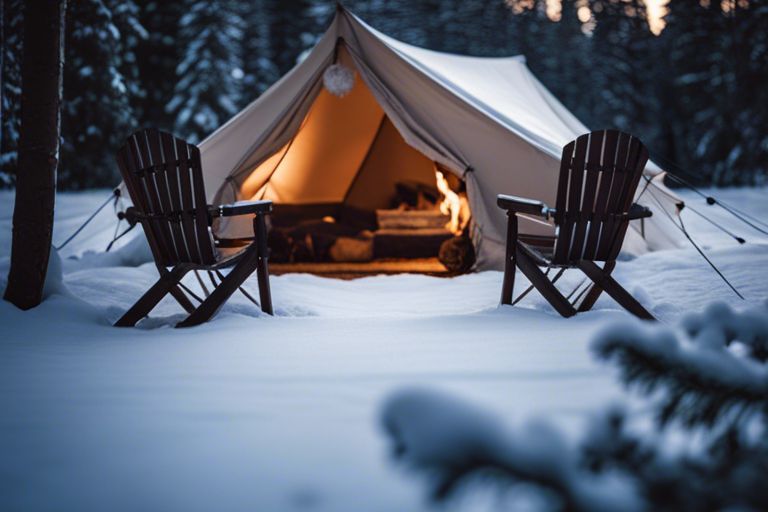
How to Stay Warm and Cozy While Winter Tent Camping
To wrap up, staying warm and cozy while winter tent camping is completely achievable with the right equipment and preparation. Remember to invest in a high-quality sleeping bag rated for cold weather and to insulate your sleeping area with an insulated sleeping pad. Dress in layers and always keep dry, staying hydrated and fueling your body with warm meals will also help keep you warm from the inside out. Additionally, don’t forget to insulate your tent and practice safe heating methods to prevent any accidents. With these tips in mind, you can enjoy the beauty of winter camping in comfort and warmth.
0 Comments